


Crispy on the outside, juicy on the inside and packed with delicious Japanese flavours, Chicken Karaage is one of Japan's most popular fried chicken dishes.
Made with tender pieces of boneless chicken thigh marinated in soy sauce, cooking sake, fresh ginger and garlic, this authentic Japanese fried chicken is coated in potato starch and fried until beautifully golden and crisp.
Unlike traditional Western-style fried chicken, Japanese Karaage has a light, delicate coating that gives every bite a satisfying crunch while keeping the chicken wonderfully juicy.
Perfect for a Japanese-style dinner, homemade bento, sharing platter or party snack, this easy Chicken Karaage recipe brings a classic taste of Japan to your kitchen. Serve hot with fresh lemon wedges for a delicious finishing touch.
Ingredients
For the Chicken
- 400gboneless, skinless chicken thighs, cut into approximately 10–12 bite-sized pieces
For the Marinade
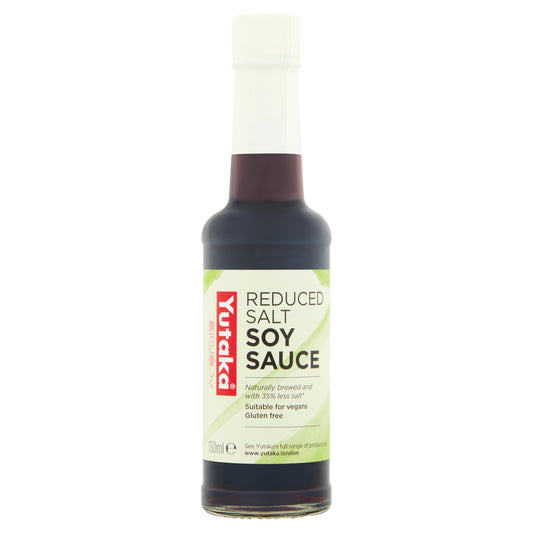
- 20mlYutaka Reduced Salt Soy Sauce
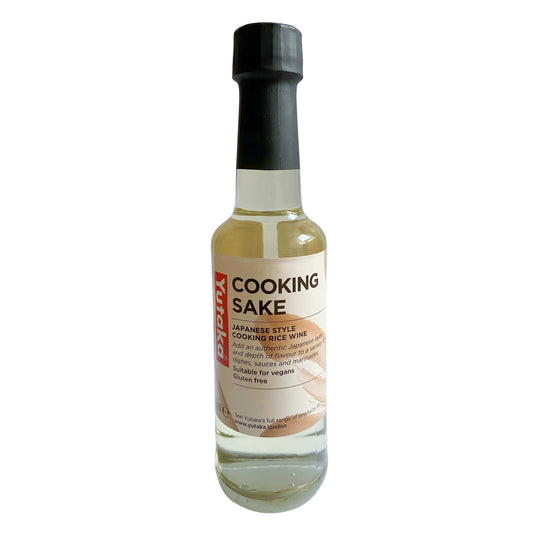
- 15mlYutaka Cooking Sake
- 10gfresh ginger, finely grated
- 1 (approximately 5g)garlic clove, finely grated
For the Coating
For Frying
- Approximately 500–750mlvegetable or sunflower oil, depending on the size of your saucepan (enough for a depth of 3–4cm)
For Serving
- 2lemon wedges
- 60gwhite cabbage, finely shredded (optional)
Cooking Steps
1, Prepare the chicken
Pat the chicken thighs dry with kitchen paper.
Cut the chicken into approximately 10–12 evenly sized pieces, around 3–4cm each.
Try to keep the pieces similar in size so they cook evenly.
2, Prepare the marinade
In a medium mixing bowl, combine the reduced-salt soy sauce, cooking sake, grated ginger and grated garlic.
Mix well to distribute the ingredients evenly.
3, Marinate the chicken
Add the chicken pieces to the marinade and toss gently until evenly coated.
Cover the bowl and refrigerate for 30 minutes to allow the chicken to absorb the flavours.
Avoid marinating at room temperature.
4, Coat the chicken
Remove the chicken from the refrigerator.
Transfer the chicken pieces from the marinade to a separate bowl or plate, allowing any excess liquid to drip off. Discard the remaining marinade.
Place the potato starch in a shallow dish.
Coat each piece of chicken evenly in the potato starch, pressing it gently onto the surface.
Shake off any excess starch, then place the coated chicken on a clean plate.
Allow the coating to rest for 2–3 minutes while you heat the oil. This helps the starch adhere to the chicken.
5, Heat the oil
Pour the vegetable or sunflower oil into a deep, heavy-based saucepan, ensuring the oil is no more than one-third of the pan's height.
Heat the oil to approximately 170–175°C.
Use a cooking thermometer to monitor the temperature.
6, Fry the first batch
Carefully lower half of the coated chicken pieces into the hot oil using kitchen tongs.
Fry for approximately 5–7 minutes, turning occasionally, until golden brown and cooked through.
Avoid overcrowding the pan, as this can lower the oil temperature and make the coating less crisp.
The chicken should reach a core temperature of 75°C for at least 30 seconds, or an equivalent safe time-and-temperature combination.
Food Standards Agency
7, Drain the chicken
Using a slotted spoon or kitchen tongs, carefully remove the fried chicken from the oil.
Transfer to a wire rack set over a tray or plate to drain.
Allow the oil to return to approximately 170–175°C before frying the second batch.
8, Fry the remaining chicken
Repeat Steps 6–7 with the remaining chicken pieces.
Check that the chicken is fully cooked before serving.
9, Garnish and serve
Arrange the Chicken Karaage on a serving plate.
Add one lemon wedge per serving and divide the finely shredded cabbage between the plates, if using.
Serve immediately while the coating is crisp and the chicken is hot and juicy.
Enjoy as a Japanese-style main course, appetiser or part of a homemade bento.
Tips
Boneless chicken thighs are ideal for Japanese Karaage because they contain more fat than chicken breast, helping the meat stay tender and juicy during frying.
You can use chicken breast instead, but take care not to overcook it, as it can become dry.
2. Use potato starch for an authentic crispy coating
Japanese potato starch, known as katakuriko, creates a light, crisp coating with a slightly craggy texture.
For the best results, coat the chicken just before frying and shake off any excess starch. Too much loose starch can make the coating powdery.
3. Marinate the chicken for extra flavour
The combination of soy sauce, sake, ginger and garlic gives Karaage its distinctive Japanese flavour.
Marinating for 30 minutes is sufficient for small chicken pieces. For a stronger flavour, you can refrigerate the chicken in the marinade for up to 2 hours.
4. Maintain the correct oil temperature
Keep the frying oil at approximately 170–175°C.
If the temperature is too low, the chicken can absorb more oil and become greasy. If the oil is too hot, the coating may brown before the chicken is fully cooked.
5. Avoid overcrowding the pan
Fry the chicken in small batches to maintain a consistent oil temperature. This helps create a crisp coating and allows the chicken to cook evenly.
6. Make it extra crispy with double frying
For an extra-crispy variation, first fry the chicken at approximately 165–170°C until nearly cooked through. Remove it and allow it to rest briefly.
Increase the oil temperature to 180°C, then fry again for approximately 1–2 minutes until golden and crisp. Check that the chicken has reached a safe internal temperature before serving.
7. Serve with fresh lemon
A squeeze of fresh lemon juice adds brightness and balances the richness of the fried chicken.
For an additional Japanese-inspired twist, serve with a little Kewpie Japanese Mayonnaise or Japanese-style tartare sauce.
8. Make a version without cooking sake
If you prefer not to use alcohol in the marinade, replace the 15ml of cooking sake with 15ml of cold water.
The resulting Karaage will have a slightly simpler flavour, but the soy sauce, ginger and garlic will still provide a delicious savoury taste.
FAQ
Q.What is Chicken Karaage?
A.Chicken Karaage is a popular Japanese fried chicken dish made by marinating bite-sized pieces of chicken in seasonings such as soy sauce, ginger, garlic and sake. The chicken is then coated in starch or flour and deep-fried until crispy and golden.
It is commonly served in Japanese restaurants, izakayas, bento boxes and home-cooked meals.
Q.What is the difference between Karaage and Chicken Katsu?
A.Chicken Karaage is usually made with bite-sized pieces of marinated chicken coated in potato starch or flour before frying.
Chicken Katsu is typically made with a larger piece of chicken coated in flour, egg and panko breadcrumbs, resulting in a thicker, breadcrumb-based crust.
Q.Is potato starch necessary for Japanese Karaage?
A.Potato starch is recommended because it produces a light, crispy coating.
If potato starch is unavailable, you can substitute cornflour (cornstarch) in the same quantity. The coating will be slightly different but should still be crisp.
Q.Can I use chicken breast instead of chicken thighs?
A.Yes. Chicken breast can be used, but chicken thighs are recommended for a juicier result.
If using chicken breast, cut it into evenly sized pieces and check the internal temperature carefully to avoid overcooking.
Q.Can I make Chicken Karaage in an air fryer?
A.Yes, although the texture will differ from traditional deep-fried Karaage.
Lightly spray the coated chicken with oil and cook in a preheated air fryer at approximately 190°C for 15–20 minutes, turning halfway through. Cooking times will vary depending on the size of the chicken pieces and the air fryer.
Ensure the chicken is thoroughly cooked before serving.
Q.Why is my Karaage not crispy?
A.This may happen if the oil temperature is too low, the chicken is overcrowded in the pan or there is too much moisture on the surface before coating.
For crispier Karaage, drain off excess marinade, coat evenly in potato starch, maintain the correct oil temperature and drain the fried chicken on a wire rack.
Q.What can I serve with Chicken Karaage?
A.Chicken Karaage pairs beautifully with steamed Japanese rice, miso soup, shredded cabbage, Japanese potato salad and pickled vegetables.
It is also delicious with onigiri as part of a homemade Japanese bento lunch.
Products used in this recipe
-
- Regular price
- £1.79
- Regular price
-
£2.10 - Offer price
- £1.79
Coming back soon -
- Regular price
- £3.85
- Regular price
-
£4.80 - Offer price
- £3.85
Coming back soon -

- Value Picks
- Regular price
- £3.90
- Regular price
-
£3.90 - Offer price
- £3.90
Coming back soon

Related recipes
-

Easy Japanese Chicken Teriyaki Recipe with Homemade Sauce
2 ServingMedium -

Gyudon – Japanese Beef Bowl
2 ServingEasy -

Easy Japanese Pork Gyoza Recipe – Crispy Pan-Fried Dumplings
5 ServingMedium -

Easy Japanese Salmon Teriyaki Recipe with Homemade Sauce
2 ServingEasy


