

What Makes COEDO Beer Special? Craftsmanship, Beniaka & Kawagoe Roots

What makes COEDO beer different from another bottle on the shelf?
The answer is not simply that the labels feature names such as Ruri, Kyara, Shikkoku and Beniaka, or that the brewery produces several different beer styles.
Follow a glass of COEDO back to its roots and you find a story that connects Kawagoe agriculture, German brewing craftsmanship, careful fermentation, Japanese ingredients and an unusual sweet potato beer.
COEDO expresses its approach through the idea of “Beer Beautiful”: paying attention to the details of colour, aroma, flavour and finish rather than pursuing intensity for its own sake.
COEDO's character is not simply about making unusual beer.
Land. Ingredients. Craftsmanship. Balance.To understand the brewery, it helps to look beyond the finished glass and see how those elements come together.
- COEDO Beer in 30 Seconds
- Why Balance Matters to COEDO
- The Craft You Cannot See in the Glass
- COEDO Brewery's Roots in Kawagoe
- Learning the Craft from a German Braumeister
- Why Does COEDO Brew Beer with Sweet Potato?
- Kawagoe Roots, Higashimatsuyama Brewery
- COEDO's Six Standard Beers
- COEDO Beer Listed at Yutaka Shop Online
- COEDO Japan Pale Ale: Rice & Yuzu
- Beniaka vs Japan Pale Ale
- Which COEDO Should You Try?
- What Does COEDO's Craftsmanship Really Mean?
- Frequently Asked Questions
- Sources
■ COEDO Beer in 30 Seconds
COEDO is a brewery from Saitama with roots in the agricultural culture of Kawagoe.
COEDO began with an agricultural idea: could barley being grown for the soil in Kawagoe also be used to make beer?
Its parent company, Kyodoshoji, had been involved in organic agriculture since the 1970s. In Kawagoe, barley was grown as green manure to help maintain healthy soil and was then ploughed back into the fields rather than harvested.
The question of whether that barley could be used for brewing became the starting point for the company's beer-making journey.
COEDO opened its brewery in 1996. In 1997, it invited fourth-generation German Braumeister Christian Mitterbauer to Japan, and COEDO's brewers studied under him for five years.
The COEDO craft beer brand itself was established in 2006.
Today, COEDO's official standard range consists of six beers: Ruri, Kyara, Marihana, Shikkoku, Shiro and Beniaka.
What makes COEDO beer different from another bottle on the shelf?
The answer is not simply that the labels feature names such as Ruri, Kyara, Shikkoku and Beniaka, or that the brewery produces several different beer styles.
Follow a glass of COEDO back to its roots and you find a story that connects Kawagoe agriculture, German brewing craftsmanship, careful fermentation, Japanese ingredients and an unusual sweet potato beer.
COEDO expresses its approach through the idea of “Beer Beautiful”: paying attention to the details of colour, aroma, flavour and finish rather than pursuing intensity for its own sake.
COEDO's character is not simply about making unusual beer.
Land. Ingredients. Craftsmanship. Balance.To understand the brewery, it helps to look beyond the finished glass and see how those elements come together.
- COEDO Beer in 30 Seconds
- Why Balance Matters to COEDO
- The Craft You Cannot See in the Glass
- COEDO Brewery's Roots in Kawagoe
- Learning the Craft from a German Braumeister
- Why Does COEDO Brew Beer with Sweet Potato?
- Kawagoe Roots, Higashimatsuyama Brewery
- COEDO's Six Standard Beers
- COEDO Beer Listed at Yutaka Shop Online
- COEDO Japan Pale Ale: Rice & Yuzu
- Beniaka vs Japan Pale Ale
- Which COEDO Should You Try?
- What Does COEDO's Craftsmanship Really Mean?
- Frequently Asked Questions
- Sources
■ COEDO Beer in 30 Seconds
COEDO is a brewery from Saitama with roots in the agricultural culture of Kawagoe.
COEDO began with an agricultural idea: could barley being grown for the soil in Kawagoe also be used to make beer?
Its parent company, Kyodoshoji, had been involved in organic agriculture since the 1970s. In Kawagoe, barley was grown as green manure to help maintain healthy soil and was then ploughed back into the fields rather than harvested.
The question of whether that barley could be used for brewing became the starting point for the company's beer-making journey.
COEDO opened its brewery in 1996. In 1997, it invited fourth-generation German Braumeister Christian Mitterbauer to Japan, and COEDO's brewers studied under him for five years.
The COEDO craft beer brand itself was established in 2006.
Today, COEDO's official standard range consists of six beers: Ruri, Kyara, Marihana, Shikkoku, Shiro and Beniaka.
■ Why Balance Matters to COEDO
Craft beer is often associated with bold flavours: intense hop aroma, powerful bitterness, high alcohol levels or unusual ingredients.
COEDO does not reject those characteristics. Some of its beers are highly aromatic, some are dark and roasted, and Beniaka even uses sweet potato.
What matters is what happens after those individual characteristics are brought together.
For COEDO, balance does not mean making every flavour mild. It means allowing aroma, bitterness, malt character, mouthfeel and finish to work together as one complete beer.
This idea sits at the heart of COEDO's “Beer Beautiful” philosophy.
The brewery describes beer as something with many different expressions — from its colour and aroma to its flavour and the way it feels as you drink it. Rather than pursuing powerful individuality simply for the sake of standing out, COEDO says it pays attention to the details and seeks a delicate balance.
A beer does not have to be louder, more bitter or more unusual to feel distinctive. COEDO focuses on how each characteristic supports the finished glass.
The right balance is not the same for every beer. A pils, a Black Lager and a Session IPA each need different relationships between aroma, bitterness, malt and body.
Ingredients, water, fermentation, temperature and the brewer's judgement all contribute to the final balance before the beer reaches the glass.
Balance Does Not Mean “Less Flavour”
This distinction is important.
A balanced beer can still be highly aromatic, bitter, roasted or rich. The aim is not to remove character, but to make sure one element does not overwhelm everything else.
COEDO's standard range shows this in several different ways.
Ruri is a pils with a refreshing character, but COEDO also highlights the balance between the flavour of the malt and the aroma and bitterness of the hops.
Marihana uses generous amounts of aromatic hops, yet it is designed to combine that strong hop character with a lower alcohol level and a clear, drinkable finish.
Shikkoku brings together several malts, including black malts, to create roasted character without making the finished Black Lager excessively heavy.
The same philosophy therefore produces very different results depending on the beer.
With Ruri, balance may mean keeping malt and hops in harmony.
With Marihana, it means retaining a vivid hop aroma while preserving drinkability.
With Shikkoku, it means creating depth and roasted character without allowing the beer to become too heavy.
Not every COEDO beer is made to be unusual.
Part of what makes COEDO distinctive is the care and attention it brings even to classic beer styles.
That is an important part of what “Beer Beautiful” means in practice.
COEDO's identity is not defined by one particular flavour. Instead, it lies in how carefully the brewery decides where each element should sit within the finished beer.
■ The Craft You Cannot See in the Glass

By the time a beer reaches your glass, much of the work that shaped it is invisible.
COEDO describes brewing as beginning with more than simply looking at the ingredients. Its brewers check them with their senses, including smell, touch and taste.
During mashing, the wort is carefully developed. During fermentation, temperature is closely controlled to create an environment in which the yeast can work as intended.
Then there is one of the least glamorous but most important jobs in a brewery: cleaning.
COEDO says that more than half of the work involved in making beer is cleaning.
That may sound far removed from the aroma of hops or the colour of a finished beer, but maintaining clean brewing equipment is fundamental to making beer consistently.
Check the ingredients carefully before brewing begins.
Manage mashing, fermentation and temperature with precision.
Keep the brewing environment ready for the next carefully controlled batch.
■ COEDO Brewery's Roots in Kawagoe
One of the most distinctive parts of the COEDO Brewery story is that it did not begin simply as a beer business.
Its parent company, Kyodoshoji, had worked with organic agriculture since the 1970s and developed a close relationship with Kawagoe and its farming culture.
In Kawagoe, farmers used barley as green manure to help maintain healthy soil. Rather than harvesting the barley as a crop, it could be ploughed back into the land.
Could that barley be used to make beer instead?
According to COEDO, that question became the original inspiration for its brewing journey.
This agricultural beginning helps explain why farming, ingredients and regional produce continue to appear throughout the COEDO story.
■ Learning the Craft from a German Braumeister
COEDO's approach also has an important European influence.
The brewery was established and succeeded in brewing a sweet potato lager using sweet potatoes grown in the Kawagoe area. That beer would later lead to Beniaka.
COEDO invited fourth-generation Braumeister Christian Mitterbauer to teach its brewers traditional brewing craftsmanship.
The brewing team studied under Mitterbauer for five years, learning both technical brewing skills and the mindset of the craft.
COEDO repositioned itself around craft brewing and introduced the idea behind “Beer Beautiful”.
The result was not simply an attempt to reproduce German beer in Japan.
COEDO uses established brewing traditions as a foundation, while expressing them through its own ingredients, names and approach to balance.
■ Why Does COEDO Brew Beer with Sweet Potato?

If one beer connects the COEDO Kawagoe story with the brewery's finished product particularly clearly, it is COEDO Beniaka.
In 1996, the brewery succeeded in making a “sweet potato lager” using sweet potatoes grown in the Kawagoe area. COEDO identifies that beer as the predecessor of today's Beniaka.
Beniaka is now an Imperial Sweet Potato Amber made with malt, hops and roasted Beniaka sweet potato from the Kawagoe area.
The beer has an ABV of 7.0% and a reddish amber colour. COEDO describes it as aromatic and rich, with the sweet potato contributing to both its character and identity.
Because sweet potato is used as an additional ingredient, Beniaka is technically classified as happoshu under Japanese alcohol tax law, although its brewing identity is presented as Imperial Sweet Potato Amber.
What makes Beniaka especially relevant to the COEDO story is not simply that sweet potato is unusual in beer.
It connects a regional agricultural ingredient directly back to the brewery's origins.
■ Kawagoe Roots, Higashimatsuyama Brewery
This is an important distinction when reading about COEDO.
COEDO's agricultural origins and the story behind Beniaka are closely connected with Kawagoe.
COEDO's current craft beer brewery and main production base are in Higashimatsuyama, Saitama.
In 2016, COEDO moved its brewery as part of an effort to develop a more environmentally integrated and sustainable production operation.
The brewery uses well water from the site for brewing, treats wastewater before returning it to nature and works with farmers and specialists to make use of brewing by-products such as spent malt and yeast as animal feed.
■ COEDO's Six Standard Beers
COEDO's official standard range currently contains six beers. This is the brewery's own core line-up; the next section separately looks at the COEDO product pages listed by Yutaka Shop Online.
A clear golden pils with a refreshing character and a balance of malt flavour, hop aroma and bitterness.
A fuller lager with hop aromas reminiscent of white grapes and spicy citrus, bright bitterness and a clean finish.
A lighter Session IPA built around a citrus-like hop aroma, refined bitterness and an easy-drinking finish.
A dark lager with roasted character while maintaining a smooth, balanced quality that is not overly heavy.
An unfiltered wheat beer with a naturally cloudy appearance, fruity aromas and a soft, smooth mouthfeel.
A reddish amber beer made with Beniaka sweet potato, connecting COEDO's brewing directly to its Kawagoe roots.
■ COEDO Beer Listed at Yutaka Shop Online
Yutaka Shop Online has product pages for several COEDO beers, including Ruri, Kyara, Shikkoku, Shiro, Beniaka and Japan Pale Ale.
Please note: stock and availability change over time. A product page may remain visible while an item is temporarily unavailable, so please check the individual product page for the latest availability before ordering.
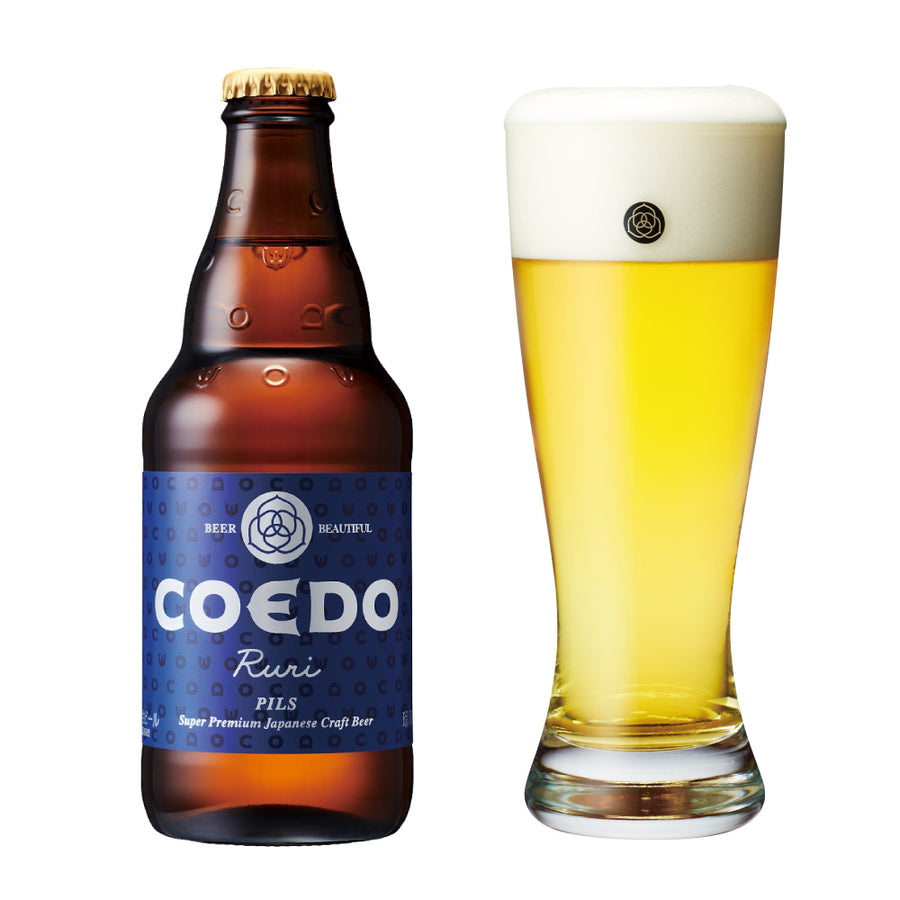
A crisp place to start if you want to explore COEDO through a classic beer style and its approach to malt-and-hop balance.
View product details →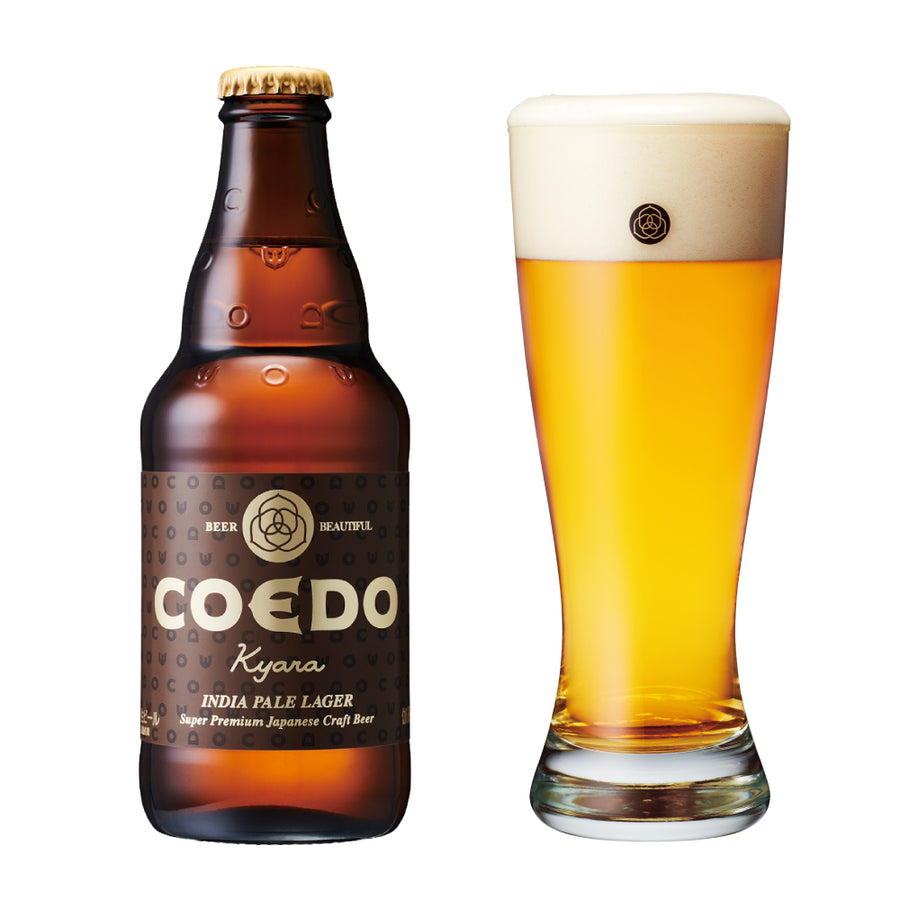
For drinkers looking for more aromatic hops, clean bitterness and a fuller body while retaining a refreshing lager finish.
View product details →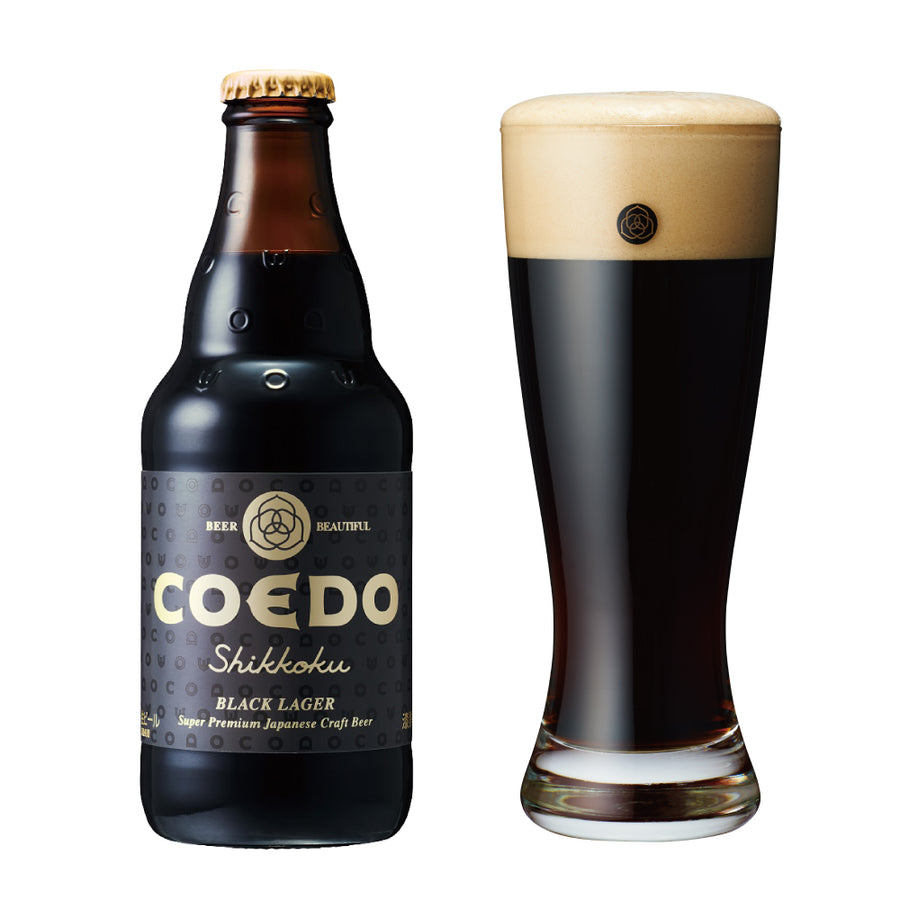
A dark lager that combines roasted malt character with a lighter, smoother balance than its appearance might suggest.
View product details →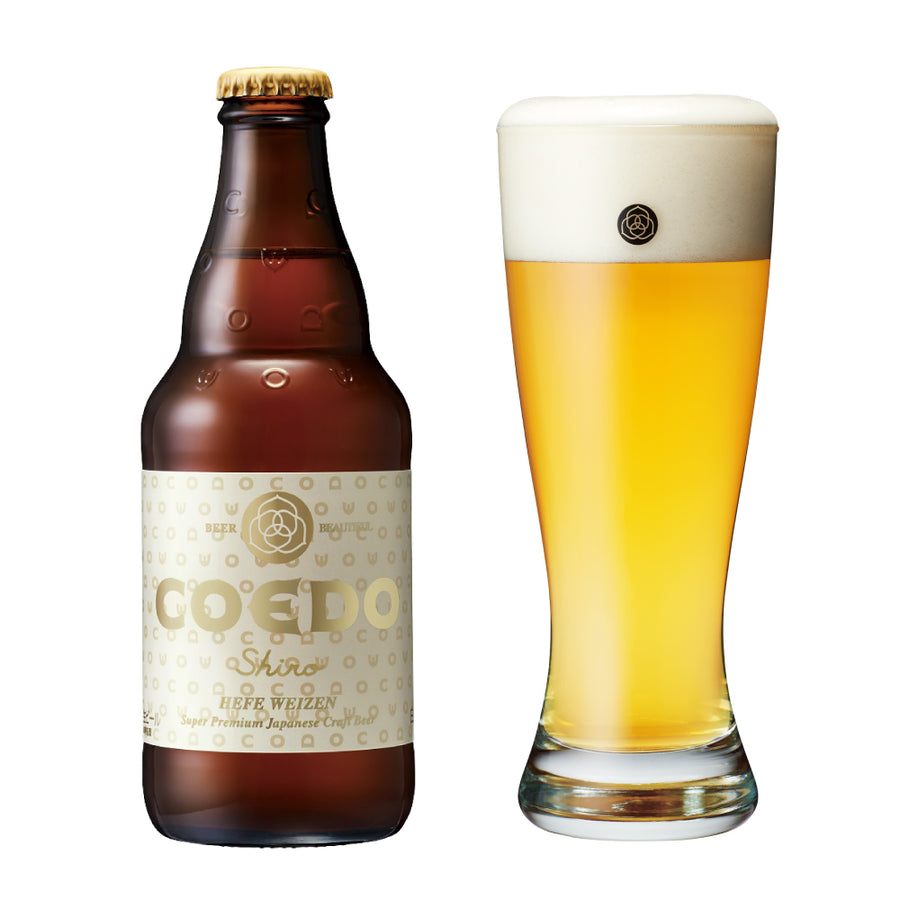
A cloudy, fruity wheat beer for those who prefer a softer mouthfeel and lower perceived bitterness.
View product details →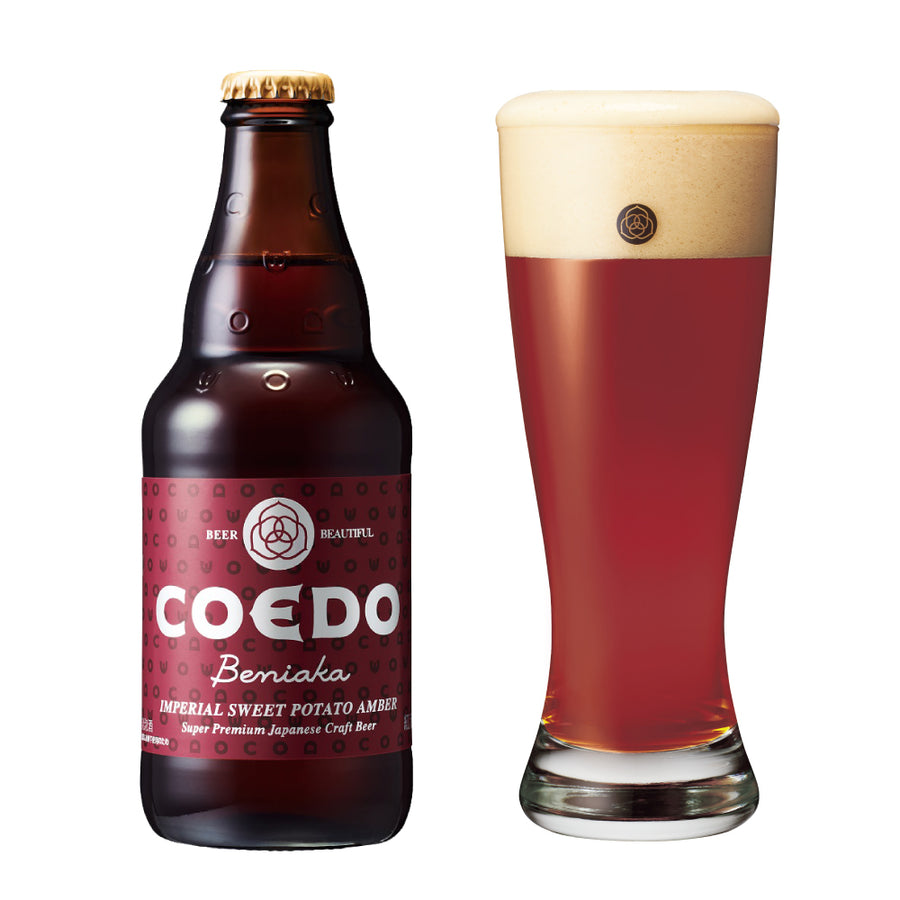
The beer to explore if you want to connect COEDO's flavour with the agricultural story behind its Kawagoe roots.
View product details →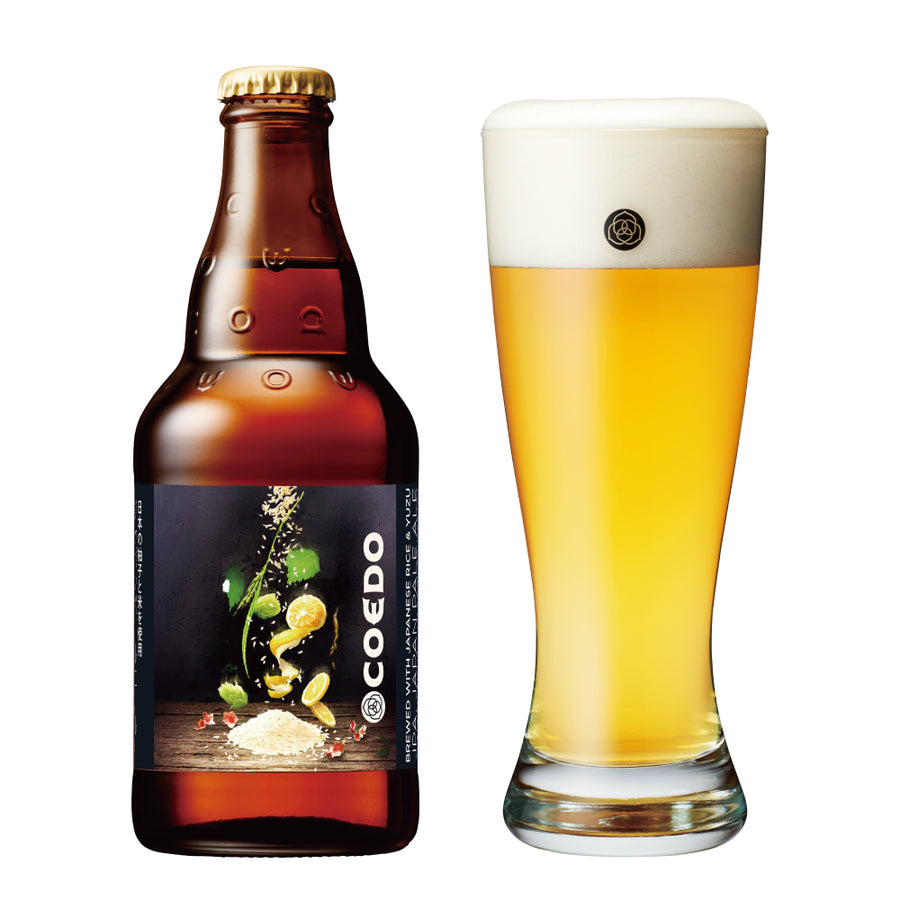
A beer made with rice and yuzu, combining a refreshing citrus aroma with a crisp, dry finish.
View product details →■ COEDO Japan Pale Ale: Rice & Yuzu

Japan Pale Ale deserves a separate look because it is not one of the six beers in COEDO's current official standard range, but it has a product page at Yutaka Shop Online.
According to Yutaka's product information, COEDO Japan Pale Ale is a 5.0% beer made with malt, rice, hops and yuzu.
Yutaka lists the beer style as “Pale Ale with Yuzu”, with rice at 7.7%, yuzu at 1.5% and an IBU of 30.
The yuzu brings a delicate, refreshing citrus aroma alongside the hops, while the use of rice contributes to a crisp, dry finish.
What makes the beer especially interesting in the context of COEDO is the combination of familiar brewing ingredients with two ingredients strongly associated with food culture in Japan: rice and yuzu.
■ Beniaka vs Japan Pale Ale: Two Ways COEDO Uses Ingredients
Beniaka and Japan Pale Ale taste very different, but looking at them together reveals something useful about COEDO's approach.
Beniaka links COEDO directly to the agricultural story of Kawagoe through roasted sweet potato.
Kawagoe × Sweet Potato
Japan Pale Ale brings rice and yuzu into a pale ale, giving the beer citrus aroma and a crisp, dry character.
Rice × Yuzu
Neither beer is interesting simply because an unusual ingredient has been added.
The more revealing question is how the ingredient works within the finished beer.
Beniaka tells a story about place.
Japan Pale Ale tells a story through ingredients.
Together, they show two different ways COEDO can bring its own identity into established brewing traditions.
■ Which COEDO Should You Try?
You do not need to memorise beer-style terminology to choose between them.
Think first about the kind of flavour you normally enjoy.
Try Ruri for a refreshing pils with a balanced malt-and-hop profile.
Try Kyara for more aromatic hops, brighter bitterness and a fuller body.
Try Shikkoku if you enjoy dark malt character without wanting an overly heavy beer.
Try Shiro for a cloudy wheat beer with fruity aromas and a smooth mouthfeel.
Try Beniaka if you want to experience the beer most closely linked with COEDO's agricultural roots.
Try Japan Pale Ale if a fresh yuzu aroma and crisp rice-driven finish appeal to you.
The aim is not to decide which beer is objectively “best”.
COEDO's range is more interesting when viewed as several different expressions of the same underlying attention to ingredients, brewing and balance.
■ What Does COEDO's Craftsmanship Really Mean?
COEDO can be described in several simple ways.
It is a brewery with roots in Kawagoe.
It makes a beer using sweet potato.
It produces several different beer styles.
But those descriptions only show part of the picture.
Agriculture inspired the brewery.
German brewing craftsmanship helped establish its technical foundation.
Brewers pay attention to ingredients, fermentation, temperature and cleaning.
Beniaka links a regional crop to the brewery's history.
Japan Pale Ale uses rice and yuzu to create a very different expression.
The common thread is not simply what COEDO puts into a beer, but how it brings every element together.
That is where the idea of “Beer Beautiful” becomes easier to understand: ingredients, technique, aroma, flavour and finish are treated as parts of one carefully balanced glass.
■ Frequently Asked Questions
What is COEDO beer?
COEDO is a brewery from Saitama with agricultural roots in Kawagoe. Its parent company had been involved in organic agriculture since the 1970s, and the idea of using barley grown in Kawagoe helped inspire its brewing journey.
Where is COEDO Brewery located?
COEDO's roots are closely associated with Kawagoe, but its current craft beer brewery and main production base are in Higashimatsuyama, Saitama.
Why is COEDO associated with Kawagoe?
COEDO's parent company developed its brewing idea through its involvement with agriculture in Kawagoe. The region is also central to the story of Beniaka, which developed from an earlier beer made with sweet potato grown in the Kawagoe area.
What is COEDO Beniaka?
Beniaka is a 7.0% Imperial Sweet Potato Amber made with malt, hops and roasted Beniaka sweet potato from the Kawagoe area. It is one of COEDO's six standard beers.
What are COEDO's six standard beers?
COEDO's current official standard range is Ruri, Kyara, Marihana, Shikkoku, Shiro and Beniaka.
Is COEDO Japan Pale Ale one of the standard six beers?
No. Japan Pale Ale is not included in COEDO's current official standard six. However, Yutaka Shop Online has a product page for COEDO Japan Pale Ale.
What is in COEDO Japan Pale Ale?
Yutaka Shop Online lists malt, rice, hops and yuzu as the ingredients. The beer is 5.0% ABV, and Yutaka describes its style as “Pale Ale with Yuzu”.
Which COEDO beer is good for a first try?
Ruri is an approachable choice if you want to begin with a crisp pils. Beniaka is especially interesting if you want to explore COEDO's Kawagoe story, while Japan Pale Ale offers a different experience built around rice and yuzu.
Can I buy COEDO beer from Yutaka Shop Online?
Yutaka Shop Online has product pages for several COEDO beers, including Ruri, Kyara, Shikkoku, Shiro, Beniaka and Japan Pale Ale. Stock and availability change, so check the individual product page for the latest information before ordering.
■ Sources
- COEDO BREWERY — History COEDO History
- COEDO BREWERY — Beer / Beer Beautiful COEDO Brewing Philosophy & Beers
- COEDO BREWERY — Standard Range COEDO Standard Beers
■ The Craft You Cannot See in the Glass
By the time a beer reaches your glass, much of the work that shaped it is invisible.
COEDO describes brewing as beginning with more than simply looking at the ingredients. Its brewers check them with their senses, including smell, touch and taste.
During mashing, the wort is carefully developed. During fermentation, temperature is closely controlled to create an environment in which the yeast can work as intended.
Then there is one of the least glamorous but most important jobs in a brewery: cleaning.
COEDO says that more than half of the work involved in making beer is cleaning.
That may sound far removed from the aroma of hops or the colour of a finished beer, but maintaining clean brewing equipment is fundamental to making beer consistently.
Check the ingredients carefully before brewing begins.
Manage mashing, fermentation and temperature with precision.
Keep the brewing environment ready for the next carefully controlled batch.
■ COEDO Brewery's Roots in Kawagoe
One of the most distinctive parts of the COEDO Brewery story is that it did not begin simply as a beer business.
Its parent company, Kyodoshoji, had worked with organic agriculture since the 1970s and developed a close relationship with Kawagoe and its farming culture.
In Kawagoe, farmers used barley as green manure to help maintain healthy soil. Rather than harvesting the barley as a crop, it could be ploughed back into the land.
Could that barley be used to make beer instead?
According to COEDO, that question became the original inspiration for its brewing journey.
This agricultural beginning helps explain why farming, ingredients and regional produce continue to appear throughout the COEDO story.
■ Learning the Craft from a German Braumeister
COEDO's approach also has an important European influence.
The brewery was established and succeeded in brewing a sweet potato lager using sweet potatoes grown in the Kawagoe area. That beer would later lead to Beniaka.
COEDO invited fourth-generation Braumeister Christian Mitterbauer to teach its brewers traditional brewing craftsmanship.
The brewing team studied under Mitterbauer for five years, learning both technical brewing skills and the mindset of the craft.
COEDO repositioned itself around craft brewing and introduced the idea behind “Beer Beautiful”.
The result was not simply an attempt to reproduce German beer in Japan.
COEDO uses established brewing traditions as a foundation, while expressing them through its own ingredients, names and approach to balance.
■ Why Does COEDO Brew Beer with Sweet Potato?
If one beer connects the COEDO Kawagoe story with the brewery's finished product particularly clearly, it is COEDO Beniaka.
In 1996, the brewery succeeded in making a “sweet potato lager” using sweet potatoes grown in the Kawagoe area. COEDO identifies that beer as the predecessor of today's Beniaka.
Beniaka is now an Imperial Sweet Potato Amber made with malt, hops and roasted Beniaka sweet potato from the Kawagoe area.
The beer has an ABV of 7.0% and a reddish amber colour. COEDO describes it as aromatic and rich, with the sweet potato contributing to both its character and identity.
Because sweet potato is used as an additional ingredient, Beniaka is technically classified as happoshu under Japanese alcohol tax law, although its brewing identity is presented as Imperial Sweet Potato Amber.
What makes Beniaka especially relevant to the COEDO story is not simply that sweet potato is unusual in beer.
It connects a regional agricultural ingredient directly back to the brewery's origins.
■ Kawagoe Roots, Higashimatsuyama Brewery
This is an important distinction when reading about COEDO.
COEDO's agricultural origins and the story behind Beniaka are closely connected with Kawagoe.
COEDO's current craft beer brewery and main production base are in Higashimatsuyama, Saitama.
In 2016, COEDO moved its brewery as part of an effort to develop a more environmentally integrated and sustainable production operation.
The brewery uses well water from the site for brewing, treats wastewater before returning it to nature and works with farmers and specialists to make use of brewing by-products such as spent malt and yeast as animal feed.
■ COEDO's Six Standard Beers
COEDO's official standard range currently contains six beers. This is the brewery's own core line-up; the next section separately looks at the COEDO product pages listed by Yutaka Shop Online.
A clear golden pils with a refreshing character and a balance of malt flavour, hop aroma and bitterness.
A fuller lager with hop aromas reminiscent of white grapes and spicy citrus, bright bitterness and a clean finish.
A lighter Session IPA built around a citrus-like hop aroma, refined bitterness and an easy-drinking finish.
A dark lager with roasted character while maintaining a smooth, balanced quality that is not overly heavy.
An unfiltered wheat beer with a naturally cloudy appearance, fruity aromas and a soft, smooth mouthfeel.
A reddish amber beer made with Beniaka sweet potato, connecting COEDO's brewing directly to its Kawagoe roots.
■ COEDO Beer Listed at Yutaka Shop Online
Yutaka Shop Online has product pages for several COEDO beers, including Ruri, Kyara, Shikkoku, Shiro, Beniaka and Japan Pale Ale.
Please note: stock and availability change over time. A product page may remain visible while an item is temporarily unavailable, so please check the individual product page for the latest availability before ordering.
A crisp place to start if you want to explore COEDO through a classic beer style and its approach to malt-and-hop balance.
View product details →For drinkers looking for more aromatic hops, clean bitterness and a fuller body while retaining a refreshing lager finish.
View product details →A dark lager that combines roasted malt character with a lighter, smoother balance than its appearance might suggest.
View product details →A cloudy, fruity wheat beer for those who prefer a softer mouthfeel and lower perceived bitterness.
View product details →The beer to explore if you want to connect COEDO's flavour with the agricultural story behind its Kawagoe roots.
View product details →A beer made with rice and yuzu, combining a refreshing citrus aroma with a crisp, dry finish.
View product details →■ COEDO Japan Pale Ale: Rice & Yuzu
Japan Pale Ale deserves a separate look because it is not one of the six beers in COEDO's current official standard range, but it has a product page at Yutaka Shop Online.
According to Yutaka's product information, COEDO Japan Pale Ale is a 5.0% beer made with malt, rice, hops and yuzu.
Yutaka lists the beer style as “Pale Ale with Yuzu”, with rice at 7.7%, yuzu at 1.5% and an IBU of 30.
The yuzu brings a delicate, refreshing citrus aroma alongside the hops, while the use of rice contributes to a crisp, dry finish.
What makes the beer especially interesting in the context of COEDO is the combination of familiar brewing ingredients with two ingredients strongly associated with food culture in Japan: rice and yuzu.
■ Beniaka vs Japan Pale Ale: Two Ways COEDO Uses Ingredients
Beniaka and Japan Pale Ale taste very different, but looking at them together reveals something useful about COEDO's approach.
Beniaka links COEDO directly to the agricultural story of Kawagoe through roasted sweet potato.
Kawagoe × Sweet Potato
Japan Pale Ale brings rice and yuzu into a pale ale, giving the beer citrus aroma and a crisp, dry character.
Rice × Yuzu
Neither beer is interesting simply because an unusual ingredient has been added.
The more revealing question is how the ingredient works within the finished beer.
Beniaka tells a story about place.
Japan Pale Ale tells a story through ingredients.
Together, they show two different ways COEDO can bring its own identity into established brewing traditions.
■ Which COEDO Should You Try?
You do not need to memorise beer-style terminology to choose between them.
Think first about the kind of flavour you normally enjoy.
Try Ruri for a refreshing pils with a balanced malt-and-hop profile.
Try Kyara for more aromatic hops, brighter bitterness and a fuller body.
Try Shikkoku if you enjoy dark malt character without wanting an overly heavy beer.
Try Shiro for a cloudy wheat beer with fruity aromas and a smooth mouthfeel.
Try Beniaka if you want to experience the beer most closely linked with COEDO's agricultural roots.
Try Japan Pale Ale if a fresh yuzu aroma and crisp rice-driven finish appeal to you.
The aim is not to decide which beer is objectively “best”.
COEDO's range is more interesting when viewed as several different expressions of the same underlying attention to ingredients, brewing and balance.
■ What Does COEDO's Craftsmanship Really Mean?
COEDO can be described in several simple ways.
It is a brewery with roots in Kawagoe.
It makes a beer using sweet potato.
It produces several different beer styles.
But those descriptions only show part of the picture.
Agriculture inspired the brewery.
German brewing craftsmanship helped establish its technical foundation.
Brewers pay attention to ingredients, fermentation, temperature and cleaning.
Beniaka links a regional crop to the brewery's history.
Japan Pale Ale uses rice and yuzu to create a very different expression.
The common thread is not simply what COEDO puts into a beer, but how it brings every element together.
That is where the idea of “Beer Beautiful” becomes easier to understand: ingredients, technique, aroma, flavour and finish are treated as parts of one carefully balanced glass.
■ Frequently Asked Questions
What is COEDO beer?
COEDO is a brewery from Saitama with agricultural roots in Kawagoe. Its parent company had been involved in organic agriculture since the 1970s, and the idea of using barley grown in Kawagoe helped inspire its brewing journey.
Where is COEDO Brewery located?
COEDO's roots are closely associated with Kawagoe, but its current craft beer brewery and main production base are in Higashimatsuyama, Saitama.
Why is COEDO associated with Kawagoe?
COEDO's parent company developed its brewing idea through its involvement with agriculture in Kawagoe. The region is also central to the story of Beniaka, which developed from an earlier beer made with sweet potato grown in the Kawagoe area.
What is COEDO Beniaka?
Beniaka is a 7.0% Imperial Sweet Potato Amber made with malt, hops and roasted Beniaka sweet potato from the Kawagoe area. It is one of COEDO's six standard beers.
What are COEDO's six standard beers?
COEDO's current official standard range is Ruri, Kyara, Marihana, Shikkoku, Shiro and Beniaka.
Is COEDO Japan Pale Ale one of the standard six beers?
No. Japan Pale Ale is not included in COEDO's current official standard six. However, Yutaka Shop Online has a product page for COEDO Japan Pale Ale.
What is in COEDO Japan Pale Ale?
Yutaka Shop Online lists malt, rice, hops and yuzu as the ingredients. The beer is 5.0% ABV, and Yutaka describes its style as “Pale Ale with Yuzu”.
Which COEDO beer is good for a first try?
Ruri is an approachable choice if you want to begin with a crisp pils. Beniaka is especially interesting if you want to explore COEDO's Kawagoe story, while Japan Pale Ale offers a different experience built around rice and yuzu.
Can I buy COEDO beer from Yutaka Shop Online?
Yutaka Shop Online has product pages for several COEDO beers, including Ruri, Kyara, Shikkoku, Shiro, Beniaka and Japan Pale Ale. Stock and availability change, so check the individual product page for the latest information before ordering.
■ Sources
- COEDO BREWERY — History COEDO History
- COEDO BREWERY — Beer / Beer Beautiful COEDO Brewing Philosophy & Beers
- COEDO BREWERY — Standard Range COEDO Standard Beers