


Chanko Nabe is a hearty Japanese hot pot closely associated with sumo wrestling, where nourishing communal meals have long been part of life in sumo stables. Today, chanko nabe can also be enjoyed easily at home, with countless variations depending on the broth and ingredients used. MAFF describes versions made with chicken, vegetables, tofu and other ingredients in dashi-, chicken-, soy- or miso-based broths.
This easy version combines chicken, chicken meatballs, vegetables, tofu and Yutaka Shirataki Noodles in Daisho Chanko Nabe Hot Pot Soup Base – Miso.
The ready-to-use broth combines miso with bonito and kombu flavours, making it simple to create a rich, warming hot pot without preparing stock from scratch.
Place the pot in the centre of the table and enjoy it together for an easy Japanese-style winter meal at home.
Ingredients
Chanko Nabe
- 1 packDaisho Chanko Nabe Hot Pot Soup Base – Miso
- 300gBoneless, skinless chicken thighs, cut into bite-sized pieces
- 8Chicken meatballs, approximately 200–240g
- 1 packYutaka Silken Tofu
- 1 packYutaka Shirataki Noodles
- 300g Chinese leaf / napa cabbage
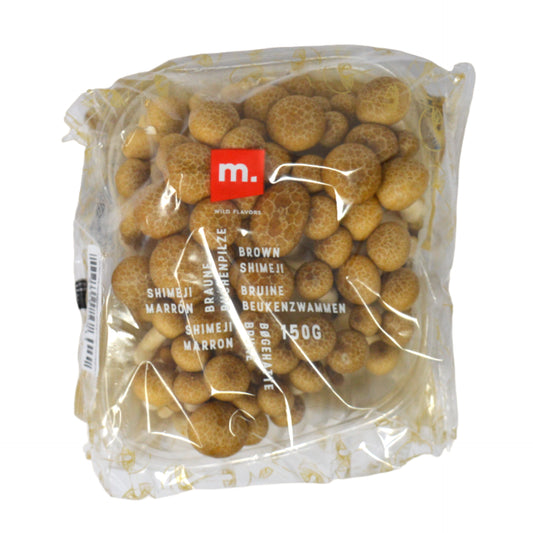
- 150gShimeji mushrooms
- 1Large leek, approximately 120g
- 1Medium carrot, approximately 100g
- 100mlWater, if needed to adjust the broth
To Serve
Cooking Steps
1. Prepare the Shirataki Noodles
Drain the Yutaka Shirataki Noodles and rinse thoroughly under cold running water.
Bring a small saucepan of water to the boil and cook the shirataki for approximately 1 minute.
Drain well.
Cut the noodles into shorter lengths with clean kitchen scissors if preferred.
Yutaka Shirataki Noodles are specifically recommended for Japanese hot pots and absorb the flavours of broths particularly well.
2. Prepare the Vegetables
Cut the Chinese leaf into large bite-sized pieces, keeping the firmer white sections separate from the softer leaves.
Trim the base from the shimeji mushrooms and separate them into small clusters.
Slice the leek diagonally into pieces approximately 1–2cm thick.
Peel the carrot and cut it into thin rounds or half-moons.
3. Prepare the Tofu
Drain the Yutaka Silken Tofu carefully.
Cut it into approximately 8 large pieces.
Keep the pieces relatively large because silken tofu is soft and can break apart during simmering.
Yutaka Silken Tofu is suitable for boiling and Japanese hot-pot dishes such as Sukiyaki.
4. Prepare the Chicken
Cut the chicken thighs into bite-sized pieces, approximately 3–4cm.
If using ready-made chicken meatballs, keep them chilled until you are ready to cook.
If the meatballs are particularly large, allow slightly longer cooking time and always make sure they are cooked thoroughly before serving.
5. Heat the Chanko Nabe Broth
Pour the full 750g pack of Daisho Chanko Nabe Hot Pot Soup Base – Miso into a large casserole or hot-pot pan.
Place over a medium heat and bring gently towards a simmer.
The broth contains miso, soy sauce, bonito seasoning and kombu extract, so no additional dashi or seasoning is required for the basic recipe.
6. Add the Chicken and Firmer Vegetables
Add:
- chicken thighs
- chicken meatballs
- carrot
- firm white sections of the Chinese leaf
- leek
Bring back to a gentle simmer.
Cover partially and cook for approximately 8–10 minutes.
Skim away any foam from the surface if necessary.
7. Add the Mushrooms, Shirataki and Tofu
Add the:
- shimeji mushrooms
- prepared shirataki noodles
- tofu
Arrange the ingredients in sections rather than stirring them together.
Simmer gently for approximately 5 minutes.
Handle the tofu carefully so that the pieces remain intact.
8. Add the Chinese Leaf
Add the softer leafy sections of Chinese leaf.
Continue simmering for approximately 3–5 minutes, or until:
- the chicken is completely cooked through
- the meatballs are piping hot and cooked in the centre
- the vegetables are tender
- the tofu is heated through
Avoid boiling vigorously.
If the broth becomes stronger than you prefer, add up to 100ml hot water.
9. Serve
Bring the pot to the table while still hot.
Divide the chicken, meatballs, tofu, shirataki and vegetables between individual bowls and spoon over some of the miso broth.
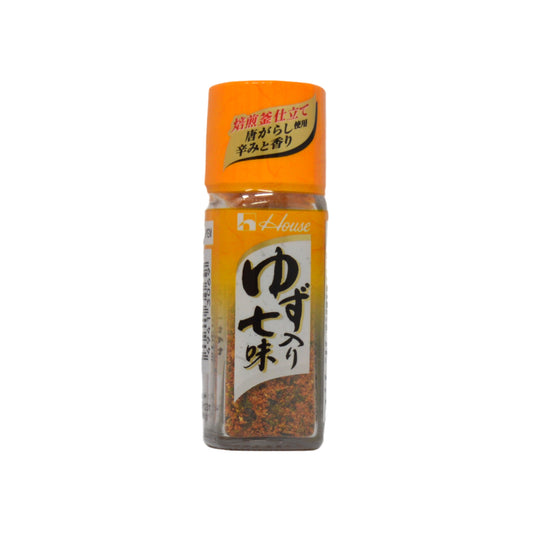
Finish with sliced spring onion or a small sprinkle of shichimi togarashi if desired.
Tips
Chicken, meatballs and carrot need more time than tofu and leafy vegetables. Adding the ingredients in stages prevents the vegetables from becoming too soft.
2. Keep the Tofu Pieces Large
Silken tofu is delicate. Larger pieces are easier to handle and less likely to break apart while the hot pot simmers.
3. Prepare Shirataki Before Adding It
Rinsing and briefly boiling the shirataki removes excess packing liquid and prepares the noodles to absorb the chanko broth.
4. Do Not Boil the Pot Too Hard
A gentle simmer keeps the chicken tender, prevents the tofu from breaking apart and helps the vegetables cook evenly.
5. Chanko Nabe Is Flexible
There is no single fixed combination of ingredients. MAFF notes that chanko nabe can include a variety of meat, vegetables and seafood, while seasonings can range from dashi and chicken stock to soy sauce and miso.
6. Try Other Mushrooms
Shiitake, enoki or other mushrooms suitable for simmering can be used instead of, or together with, shimeji.
7. Finish the Hot Pot with Udon
Once most of the ingredients have been eaten, add Yutaka Frozen Udon to the remaining broth and heat through. This Japanese hot-pot finishing course is known as shime and is a good way to enjoy the flavour left in the broth. Yutaka currently offers several frozen udon products suitable for hot noodle dishes.
FAQ
Q.What is Chanko Nabe?
A.Chanko Nabe is a hearty Japanese hot pot strongly associated with sumo wrestling. It typically combines meat, vegetables, tofu and other ingredients in a seasoned broth. Recipes vary considerably depending on the sumo stable, restaurant or household.
Q.Why is Chanko Nabe associated with Sumo Wrestlers?
A.Chanko Nabe became associated with communal meals in sumo stables, where a large pot can feed many wrestlers at once and can be adapted with different meats and vegetables. MAFF identifies Sumida in Tokyo as a main area associated with the dish and traces its development to the Meiji era.
Q.What goes into Chanko Nabe?
A.There is no single fixed recipe. Chicken, chicken meatballs, Chinese leaf, carrots, spring onions, mushrooms and tofu are common possibilities. Other versions may include seafood, fried tofu and different vegetables.
Q.Can I use Shirataki Noodles in Chanko Nabe?
A.Yes. Shirataki works well in Japanese hot-pot dishes because it absorbs the flavour of the broth while keeping its springy texture. Yutaka specifically recommends its Shirataki Noodles for Japanese hot pots.
Products used in this recipe
-

- Regular price
- £5.50
- Regular price
-
£5.80 - Offer price
- £5.50
Coming back soon -

- Regular price
- £2.10
- Regular price
-
£2.10 - Offer price
- £2.10
Coming back soon -
- Value Picks
- Regular price
- £1.50
- Regular price
-
£1.85 - Offer price
- £1.50
Coming back soon -
- Regular price
- £2.75
- Regular price
-
£2.75 - Offer price
- £2.75
Coming back soon


Related recipes
-

Easy Sukiyaki Recipe: Japanese Beef Hot Pot at Home
4 ServingEasy -

Japanese Curry Udon Recipe: Easy Warming Noodles
2 ServingEasy -

Mushroom Takikomi Gohan Recipe: Easy Japanese Mushroom Rice
4 ServingEasy -

Mushroom Miso Soup with Sweet Potato
3 ServingEasy


