


Sukiyaki is a comforting Japanese hot pot made with thinly sliced beef, tofu, vegetables and shirataki noodles simmered in a sweet and savoury soy-based sauce.
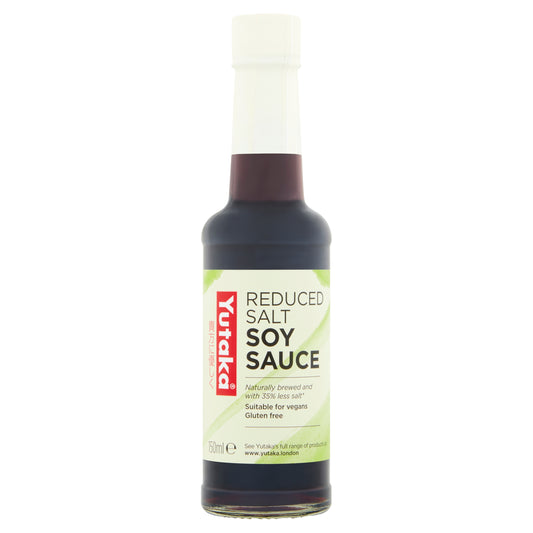
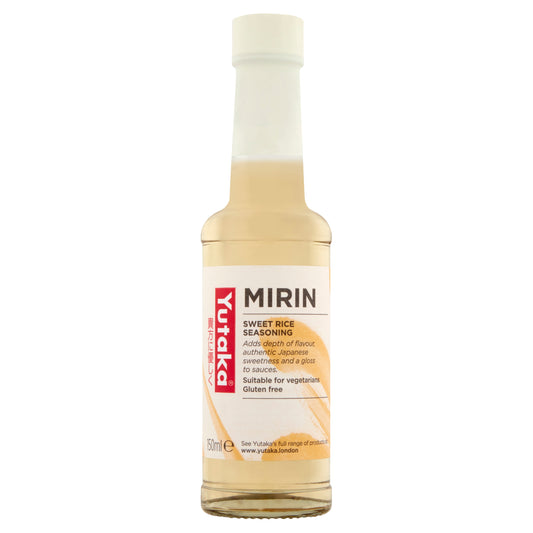
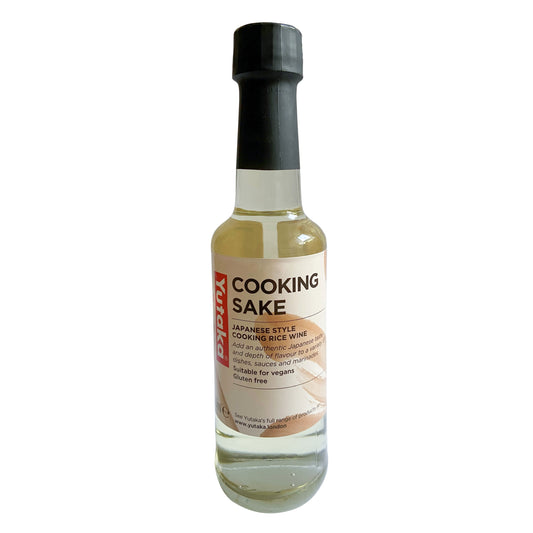
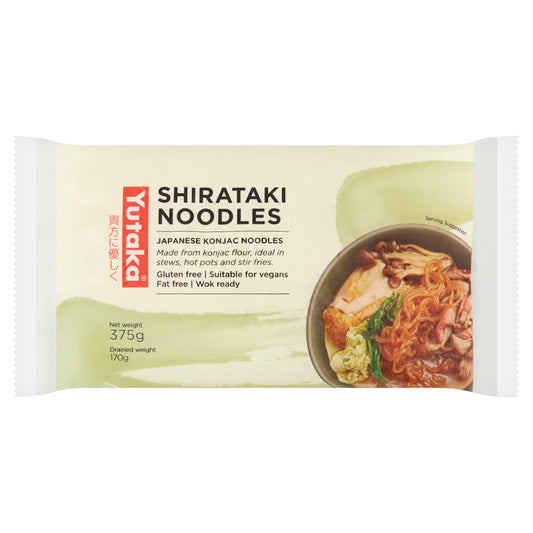
This easy home version uses Yutaka Reduced Salt Soy Sauce, Yutaka Mirin Seasoning and Yutaka Cooking Sake to make a simple sukiyaki sauce, often called warishita. Yutaka Shirataki Noodles soak up the rich flavour of the sauce, while tofu, mushrooms, Chinese leaf and leek make the dish satisfying enough to serve as a warming family meal.
Place the pot in the middle of the table if you like and enjoy the ingredients together while they are still piping hot — an easy way to bring the experience of Japanese winter cooking into your home.
Ingredients
Sukiyaki Sauce
- 100mlYutaka Reduced Salt Gluten Free Soy Sauce
- 100mlYutaka Mirin Sweet Rice Seasoning
- 75mlYutaka Cooking Sake
- 100mlWater
- 40gSugar
Sukiyaki
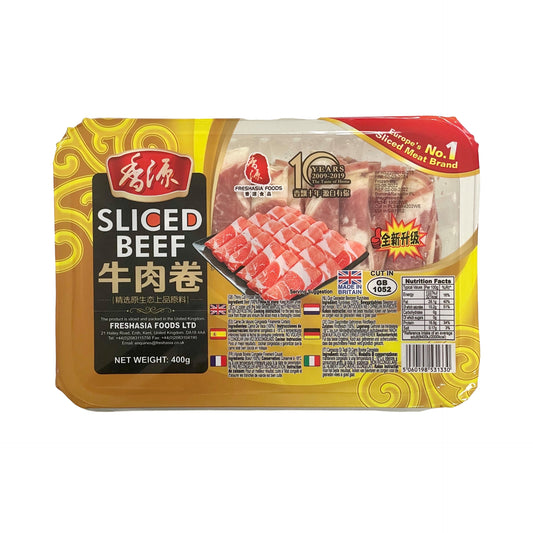
- 400gThinly sliced beef, suitable for hot pot or sukiyaki
- 1 packYutaka Japanese White Shirataki Noodles
- 1 packYutaka Silken Tofu Soybean Curd
- 250gChinese leaf, cut into bite-sized pieces
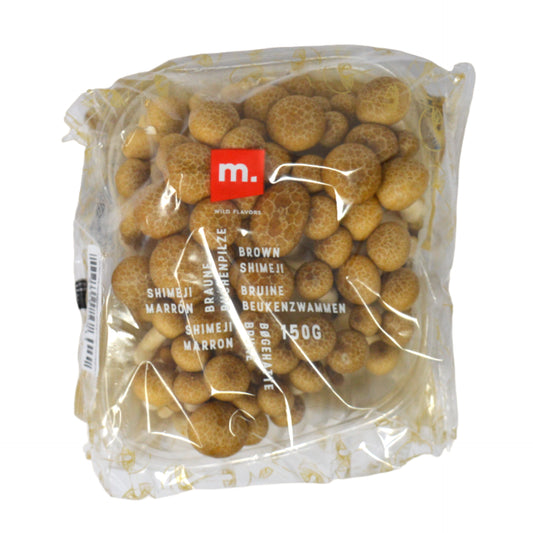
- 150gShimeji mushrooms, base removed and separated
- 120gLarge leek, sliced diagonally
- 1 tspNeutral cooking oil
Cooking Steps
1. Prepare the Shirataki Noodles
Drain the Yutaka Shirataki Noodles and rinse thoroughly under cold running water.
Bring a small saucepan of water to the boil and cook the shirataki for approximately 1 minute.
Drain well, then cut the noodles into shorter lengths with clean kitchen scissors if preferred.
Set aside.
2. Prepare the Vegetables and Tofu
Cut the Chinese leaf into bite-sized pieces, keeping the firmer white stems separate from the softer leafy sections.
Trim the base from the shimeji mushrooms and separate them into small clusters.
Slice the leek diagonally into pieces approximately 1–2cm thick.
Drain the Yutaka Silken Tofu and carefully cut it into large cubes.
Silken tofu is delicate, so handle it gently to prevent it from breaking apart.
3. Make the Sukiyaki Sauce
Add the following to a saucepan:
- 100ml Yutaka Reduced Salt Soy Sauce
- 100ml Yutaka Mirin Seasoning
- 75ml Yutaka Cooking Sake
- 100ml water
- 40g sugar
Place over a medium heat and stir until the sugar has completely dissolved.
Bring to a gentle simmer for approximately 2–3 minutes, then remove from the heat.
Set aside.
4. Cook the Beef
Heat a large, wide saucepan or shallow casserole over a medium-high heat.
Add 1 tsp neutral cooking oil.
Add approximately half of the thinly sliced beef and cook briefly, turning the slices until lightly browned.
You do not need to cook the beef completely at this stage, as it will continue cooking in the sukiyaki sauce.
5. Add the Sukiyaki Ingredients
Reduce the heat to medium.
Arrange the following ingredients around the pan in separate sections:
- Chinese leaf stems
- shimeji mushrooms
- leek
- tofu
- prepared shirataki noodles
Pour approximately two-thirds of the sukiyaki sauce over the ingredients.
Try not to pour all of the sauce directly over the tofu, as the force can cause soft tofu to break apart.
6. Simmer the Sukiyaki
Bring the liquid to a gentle simmer.
Cover loosely and cook for approximately 8–10 minutes, or until the vegetables begin to soften and the tofu is heated through.
Add the softer Chinese leaf sections and the remaining beef.
Pour in more of the reserved sukiyaki sauce if necessary.
Continue cooking for approximately 3–5 minutes, or until the beef is cooked and the vegetables are tender.
Avoid boiling vigorously, as this can make the beef tougher and cause the tofu to break apart.
7. Serve
Bring the sukiyaki to the table while still hot.
Serve the beef, tofu, shirataki noodles and vegetables into individual bowls, spooning over a little of the sukiyaki sauce.
Enjoy on its own or serve with freshly cooked Japanese rice.
Tips
Sukiyaki cooks quickly, so thinly sliced beef works best. Hot-pot or shabu-shabu style beef is ideal because the slices cook quickly without needing a long simmer.
2. Prepare Shirataki Before Adding It to the Pot
Rinsing and briefly boiling shirataki removes excess packing liquid and helps give the noodles a firmer texture. The noodles then absorb the sweet and savoury sukiyaki sauce as they simmer.
3. Keep the Ingredients in Sections
Arranging the tofu, vegetables, mushrooms and noodles separately makes the finished hot pot more attractive and allows everyone at the table to choose what they would like to eat.
4. Do Not Overcook the Beef
Thin beef slices cook very quickly. Add some at the beginning for flavour, then add the remaining beef towards the end so that it stays tender.
5. Adjust the Sauce to Taste
If the sukiyaki becomes too strong as it reduces, add a splash of water. If you prefer a sweeter flavour, dissolve in a small additional amount of sugar.
6. Want an Even Quicker Sukiyaki?
For a shortcut version, you can use Daisho Sukiyaki Hot Pot Soup Base 750g instead of making the warishita from scratch. Simply prepare it with the beef, vegetables, tofu and shirataki according to the pack instructions. The product is specifically designed as a ready-to-use Sukiyaki base.
FAQ
Q.What is Sukiyaki?
A.Sukiyaki is a Japanese hot pot dish made with thinly sliced beef, tofu, vegetables and other ingredients simmered together in a sweet and savoury soy-based sauce.
Q.What is Sukiyaki sauce made from?
A.Sukiyaki sauce, commonly called warishita, is typically based on soy sauce, mirin, sake and sugar. This recipe adds a little water to create a balanced sauce for simmering the beef and vegetables.
Q.What kind of beef should I use for Sukiyaki?
A.Thinly sliced beef is best. Beef sold for hot pot, shabu-shabu or sukiyaki cooks quickly and absorbs the flavour of the sauce without needing a long cooking time.
Q.Can I use Shirataki Noodles in Sukiyaki?
A.Yes. Shirataki noodles are commonly used in Japanese hot-pot dishes, including sukiyaki. Their mild flavour allows them to absorb the sweet and savoury cooking sauce. Yutaka Shirataki Noodles are specifically recommended for sukiyaki and hot-pot dishes.
Q.What vegetables can I put in Sukiyaki?
A.Chinese leaf, leek and mushrooms work particularly well. You can also vary the vegetables according to availability and preference, using ingredients that cook well in a simmering hot pot.
Q.Can I make Sukiyaki without a tabletop hot pot?
A.Yes. A wide saucepan, shallow casserole or deep frying pan works well. Cook the entire sukiyaki on the hob and bring the pan to the table once everything is ready.
Q.Is Sukiyaki the same as Shabu Shabu?
A.No. Both are Japanese hot-pot dishes, but sukiyaki is cooked in a sweet soy-based sauce. Shabu shabu generally involves briefly cooking thin slices of meat and vegetables in a lighter broth before dipping them in sauce.
Q.What should I serve with Sukiyaki?
A.Sukiyaki can be enjoyed on its own, but freshly cooked Japanese rice makes a simple accompaniment and is particularly good with the sweet and savoury cooking sauce.
Products used in this recipe
-
- Regular price
- £2.10
- Regular price
-
£2.10 - Offer price
- £2.10
Coming back soon -
- Regular price
- £2.20
- Regular price
-
£2.20 - Offer price
- £2.20
Coming back soon -
- Regular price
- £4.00
- Regular price
-
£4.00 - Offer price
- £4.00
Coming back soon -
- Frozen
- Regular price
- £12.00
- Regular price
-
£12.00 - Offer price
- £12.00
Coming back soon -
- Regular price
- £1.00
- Regular price
-
£1.20 - Offer price
- £1.00
Coming back soon -

- Regular price
- £1.89
- Regular price
-
£2.10 - Offer price
- £1.89
Coming back soon -
- Value Picks
- Regular price
- £1.50
- Regular price
-
£1.85 - Offer price
- £1.50
Coming back soon

Related recipes
-

Nikujaga Recipe: Japanese Beef and Potato Stew
4 ServingEasy -

Mushroom Takikomi Gohan Recipe: Easy Japanese Mushroom Rice
4 ServingEasy -

Easy Japanese Salmon Teriyaki Recipe with Homemade Sauce
2 ServingEasy -

Easy Japanese Chicken Teriyaki Recipe with Homemade Sauce
2 ServingMedium


