

Inside COEDO: What to Try, How to Enjoy It & the Craft Behind Every Glass

If you are trying COEDO for the first time, which beer should you choose?
Which bottle does someone who works at COEDO personally come back to? And what would they pair with a Sunday roast, shepherd's pie or even chocolate cake?
To find out, we spoke with Ms Tsukamoto from COEDO's Customer Communication Team about her favourite beers, the best place to start with COEDO, food pairings and some of the details behind the brewing process that customers rarely get to see.
Her recommendation for a first COEDO? Beniaka. For experienced craft beer drinkers? Shikkoku. And the beer she personally keeps coming back to is Shiro.
Our previous guide explored COEDO's roots, brewing philosophy and the story behind its beers. This time, we wanted to go a little further and discover what COEDO feels like from the perspective of someone who works closely with the brand every day.
- COEDO and its continuing connection with Kawagoe
- The best COEDO for first-time drinkers
- What craft beer drinkers should try
- How to enjoy COEDO more fully
- What makes Beniaka fascinating during brewing
- Ms Tsukamoto's personal favourite
- Food pairings, including British classics
- COEDO's place in Japanese craft beer
- The invisible work behind every beer
- Around 20 brewers adjusting the details
- A message for UK drinkers
- Which COEDO should you try?
- FAQ
■ COEDO Still Feels at Home in Kawagoe
When we asked Ms Tsukamoto what makes something feel particularly “COEDO”, she did not begin with brewing equipment or even a particular beer.
She began with Kawagoe.
COEDO is a beer brand that has grown alongside the city. Today, Kawagoe is also a popular visitor destination, and social media is full of photographs and posts from people exploring the area.
Among them, Ms Tsukamoto often notices people enjoying COEDO.
The connection becomes especially visible during local festivals, when COEDO can be seen outside liquor shops and restaurants throughout the city.
“Seeing that makes me feel that COEDO is still being nurtured by the local community today. That feels very COEDO to me.”
In other words, COEDO's relationship with Kawagoe is not simply part of the brand's past.
It is a relationship that continues today, as people in the area keep drinking, serving and sharing the beer.
■ New to COEDO? Start with Beniaka

So, if you have never tried COEDO before, which bottle should you choose first?
Ms Tsukamoto's recommendation is Beniaka.
Beniaka is made using sweet potato from the Kawagoe area and is one of the beers most closely associated with COEDO's identity.
The company behind COEDO originally began as an organic vegetable wholesaler, giving it a strong connection with agriculture from the beginning.
“Beniaka is our flagship beer. Our company has a strong connection with agriculture, and that history is packed into Beniaka.”
Its alcohol content is slightly higher than some of the other beers in the range, but strength is only part of its character.
Ms Tsukamoto highlights the sweetness and richness of the malt together with the gentle mouthfeel contributed by the sweet potato.
For anyone who wants not only to taste COEDO but also to understand something of the story behind the brewery, Beniaka makes a particularly meaningful place to begin.
■ Already Love Craft Beer? Try Shikkoku
For someone who already drinks craft beer regularly, Ms Tsukamoto gives a different answer.
Her recommendation is Shikkoku.
COEDO enters international beer competitions held in countries including Germany, Australia and the United States. According to Ms Tsukamoto, Shikkoku has received more awards than any other beer in the COEDO line-up.
But the awards are not the only reason she recommends it.
What she particularly wants experienced beer drinkers to notice is the contrast between the rich aroma and body associated with dark beer and its surprisingly light drinking character.
“If you already drink beer regularly, I would love you to experience the balance between the rich aroma and depth of a dark beer and the lightness of the drinking experience.”
It is a good example of an idea that appears throughout the COEDO range: a beer can have a distinctive character without allowing one element to overwhelm everything else.
■ Before the First Sip, Look at the Glass
One of Ms Tsukamoto's simplest suggestions for getting more from a COEDO beer requires no specialist beer knowledge at all.
Take a moment to look at it before drinking.
The colour is different from beer to beer, of course, but so are the aroma and even the way the foam forms after the beer is poured.
Aromas can come from very different sources too. Some are influenced by hops, others by yeast, while different hop varieties themselves can produce noticeably different aromas.
Each COEDO has its own visual character before you even take the first sip.
Hop varieties, yeast and the individual beer style can all change what you experience in the glass.
Most beers can be enjoyed well chilled, while Beniaka and Shikkoku can reveal something different as they slowly warm.
For many of the beers, Ms Tsukamoto recommends chilling the glass as well as the beer, helping it remain cold through to the final sip.
However, not every beer needs to be treated in exactly the same way.
Shikkoku and Beniaka can also be enjoyed at slightly warmer temperatures.
Pour one into a room-temperature glass and drink it slowly, and you can experience how the flavour changes as the temperature gradually rises.
■ Beniaka Tastes Very Different Before Fermentation
One of the most interesting details from our interview concerned what happens to Beniaka long before the finished beer reaches the bottle.
Beer production includes a stage known as mashing.
During conventional brewing, warm water is added to malt and enzymes help break the starches within the malt down into sugars.
With Beniaka, another ingredient enters that process.
Roasted sweet potato is added alongside the malt.
This means that starch from the sweet potato, as well as starch from the malt, is broken down into sugar.
According to Ms Tsukamoto, after the following filtration stage, Beniaka's wort tastes noticeably sweeter than the wort used for COEDO's other beers.
Then fermentation transforms it.
Much of the sugar is converted into alcohol, so the character of the finished beer becomes very different from the intensely sweet wort that existed earlier in the brewing process.
“At the wort stage, it is so sweet. Then after fermentation, you find yourself thinking, ‘How did it become this clean?’ That transformation is fascinating.”
It is an aspect of Beniaka that would be difficult to discover simply by reading the bottle label.
And it helps explain why Beniaka is much more than simply “a beer with sweet potato”.
The sweet potato participates directly in the brewing process before fermentation changes the sugars and transforms the finished flavour.
■ The COEDO Ms Tsukamoto Keeps Coming Back To
When we asked Ms Tsukamoto about her own favourite COEDO, she chose Shiro.
Her favourite can change depending on her mood, she says, but Shiro has remained a favourite for a long time.
There is also a personal story behind the choice.
Ms Tsukamoto did not originally consider herself someone who particularly enjoyed beer.
Then she tried Shiro.
“I still remember being surprised by how delicious it was. The fruitiness, gentle bitterness and soft, rounded mouthfeel were so well balanced.”
Today, she enjoys Shiro with meals, but that is not the only way she drinks it.
One of her recent favourites is drinking it outdoors in the early evening as the sun begins to set.
Another is simpler still: enjoying Shiro at home in the evening with a light snack.
For someone who often finds conventional beer too bitter, Shiro may therefore offer an interesting way into the COEDO range.
■ COEDO with Sunday Roast? Absolutely.

It is easy to assume that a Japanese beer should naturally be paired with Japanese food.
But Ms Tsukamoto encourages drinkers to be much more flexible.
COEDO's range has been designed so that different beers can be enjoyed alongside food, and those combinations do not need to be limited to Japanese dishes.
For UK drinkers, she specifically suggests experimenting with familiar British favourites such as Sunday roast and shepherd's pie.
There is also a simple starting point if you are unsure what to pair.
Try matching the colour of the food with the colour of the beer. According to Ms Tsukamoto, this can make it easier to discover combinations that work well together.
It is not a strict rule, but it can be an easy way to begin experimenting.
And the pairing does not have to stop after the main course.
The darker character of Shikkoku makes chocolate dessert an intriguing pairing to explore.
Ms Tsukamoto also recommends trying Kyara alongside the buttery richness of a financier.
Rather than treating beer simply as a drink before or after dinner, COEDO can become part of the meal itself.
■ COEDO Is Older Than Many UK Drinkers Realise
Because COEDO has only been sold in the UK for a relatively short time, Ms Tsukamoto says that some people assume it is a new brewery.
In fact, COEDO has been brewing beer since 1996.
Ms Tsukamoto describes it as part of the first generation of Japanese craft beer.
She explains that small-scale brewing had previously been difficult in Japan, but changes to the law in 1994 helped open the way for smaller breweries.
COEDO began brewing two years later.
Compared with the centuries-long history of brewing around the world, that may still sound relatively young.
Within modern Japanese craft beer, however, COEDO has been brewing since close to the beginning of the movement.
Today, Ms Tsukamoto notes that COEDO can be found not only in specialist shops in Japan but also in convenience stores and supermarkets.
It therefore occupies an interesting position: rooted in craft brewing while also becoming a familiar part of everyday beer culture in Japan.
■ One of the Most Important Jobs in Brewing? Cleaning.

When people imagine beer being made, they may picture malt, hops, tanks and fermentation.
But when we asked Ms Tsukamoto which part of COEDO's brewing process requires particularly careful work, her answer was surprisingly simple.
Cleaning.
Beer is not created by human hands alone.
Yeast plays an essential role in transforming the ingredients into beer, which means one of the brewer's most important responsibilities is creating the right environment for that yeast to work.
And yeast is sensitive.
Even a small amount of contamination can cause significant problems, so the equipment used throughout the process — from brewing to filling — needs to be kept thoroughly clean.
“It would not be an exaggeration to say that more than half of the process is cleaning.”
It is work that is almost invisible in the finished glass.
Yet that invisible attention to cleanliness helps create the conditions needed for the beer to develop as intended.
■ Around 20 Brewers, Adjusting the Details Batch by Batch
According to Ms Tsukamoto, around 20 beer craftspeople are involved in brewing at COEDO.
Their attention begins with the raw materials, including the selection of malt and hops, relationships surrounding the sweet potatoes used in brewing, and the cultivation of yeast in-house.
But consistently making the same beer does not necessarily mean following exactly the same process without adjustment every time.
Agricultural ingredients change.
Temperatures change.
Conditions vary from batch to batch.
COEDO's brewers therefore look at the condition of the raw materials and the surrounding circumstances, making small adjustments to the recipe as needed.
The aim is not simply to repeat the same instructions.
It is to make the best possible version of each beer under the conditions of that particular brew.
That combination of consistency and human judgement is another part of the brewing process that is difficult to see from the bottle alone.
■ What COEDO Wants UK Drinkers to Experience
Finally, we asked Ms Tsukamoto how she would describe COEDO to someone in Britain who had never tried it.
Her answer brings together many of the themes behind the brewery.
COEDO continues to make authentic beer influenced by German brewing techniques, while remaining closely connected with its own history and local roots.
Each beer has its own individual character, but Ms Tsukamoto describes the flavours as delicate rather than overpowering.
They are distinctive, but not designed simply to shout for attention.
The visual identity also carries something of Japan with it. COEDO's labels use colours inspired by traditional Japanese colours.
“COEDO's beers are each distinctive, but their character is never too forceful. They have a delicate, gentle quality. We hope you will enjoy the flavour of beer made in Japan.”
■ Which COEDO Should You Try First?
After speaking with Ms Tsukamoto, it becomes clear that there is no single correct place to begin.
Its connection with Kawagoe, agriculture and sweet potato makes it one of the clearest expressions of COEDO's roots.
Look for the balance between dark, roasted character and its unexpectedly light drinking quality.
Its fruitiness, gentle bitterness and rounded mouthfeel made an impression even on Ms Tsukamoto when she did not consider herself a beer lover.
Whichever beer you choose, take a moment before the first sip.
Look at the colour.
Notice the foam.
Smell the beer.
Try it with food.
And if you are drinking Beniaka or Shikkoku, consider letting the glass warm gradually and noticing how the flavour changes.
Explore COEDO at Yutaka Shop Online
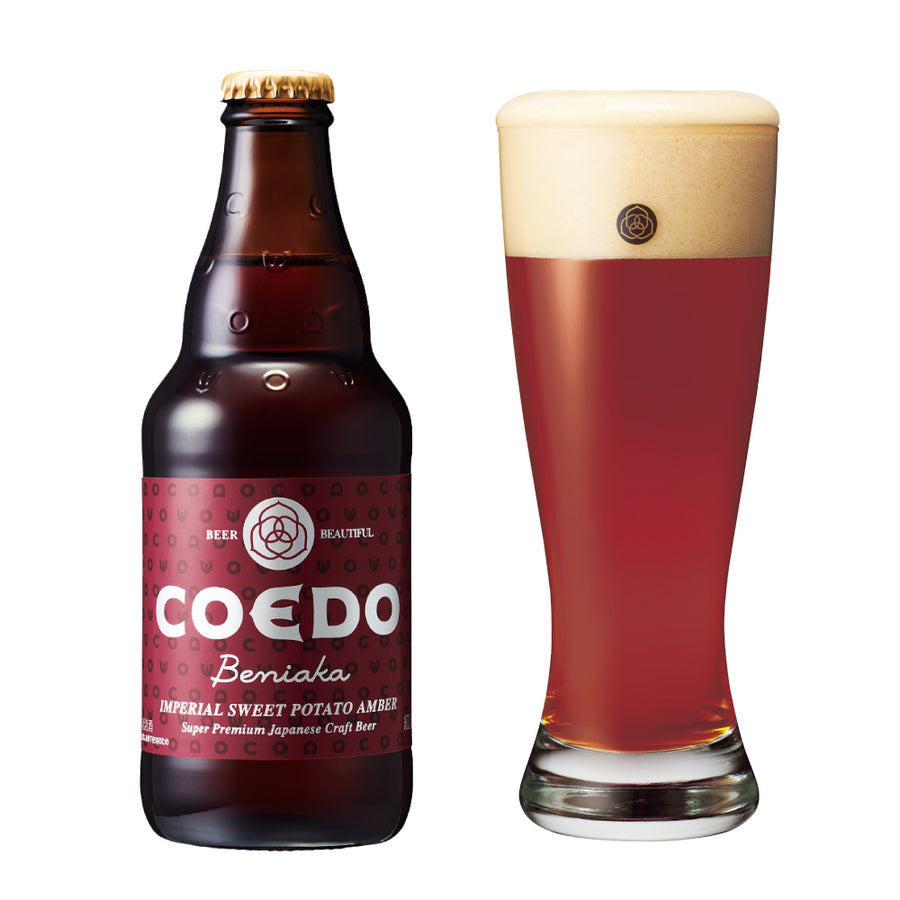
COEDO Beniaka
Ms Tsukamoto's recommendation for first-time COEDO drinkers. A beer closely connected with Kawagoe, agriculture and COEDO's history.
View product →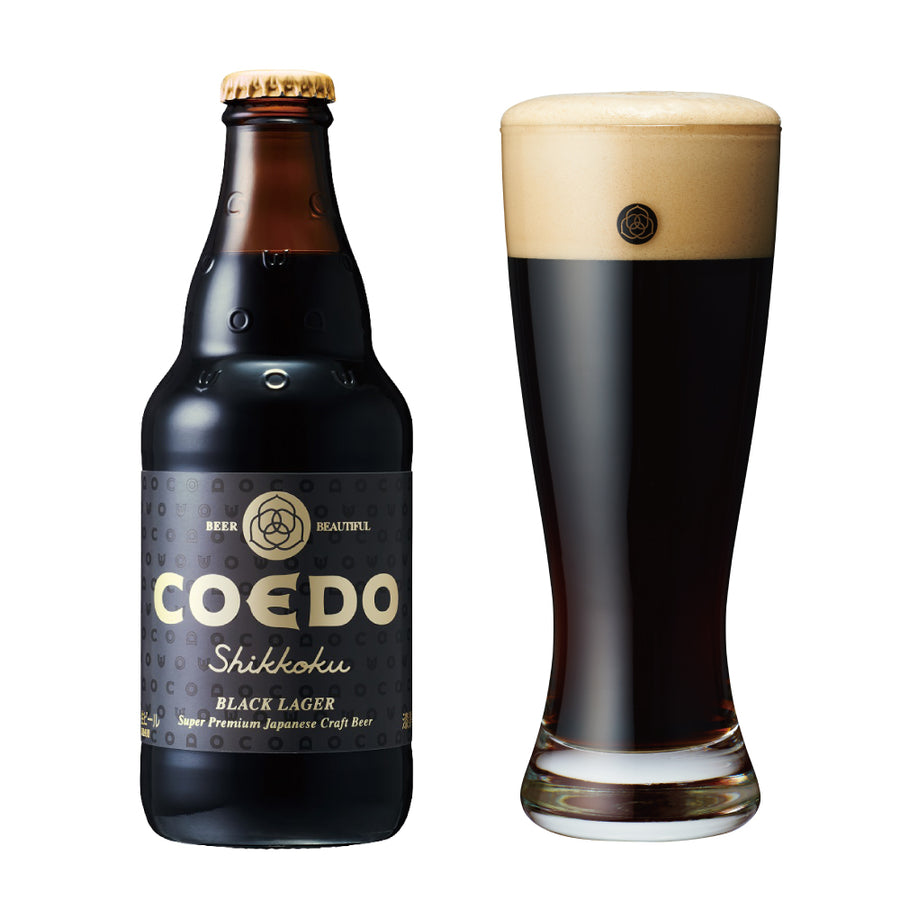
COEDO Shikkoku
Recommended by Ms Tsukamoto for experienced craft beer drinkers who want to explore the balance of richness and lightness in a dark beer.
View product →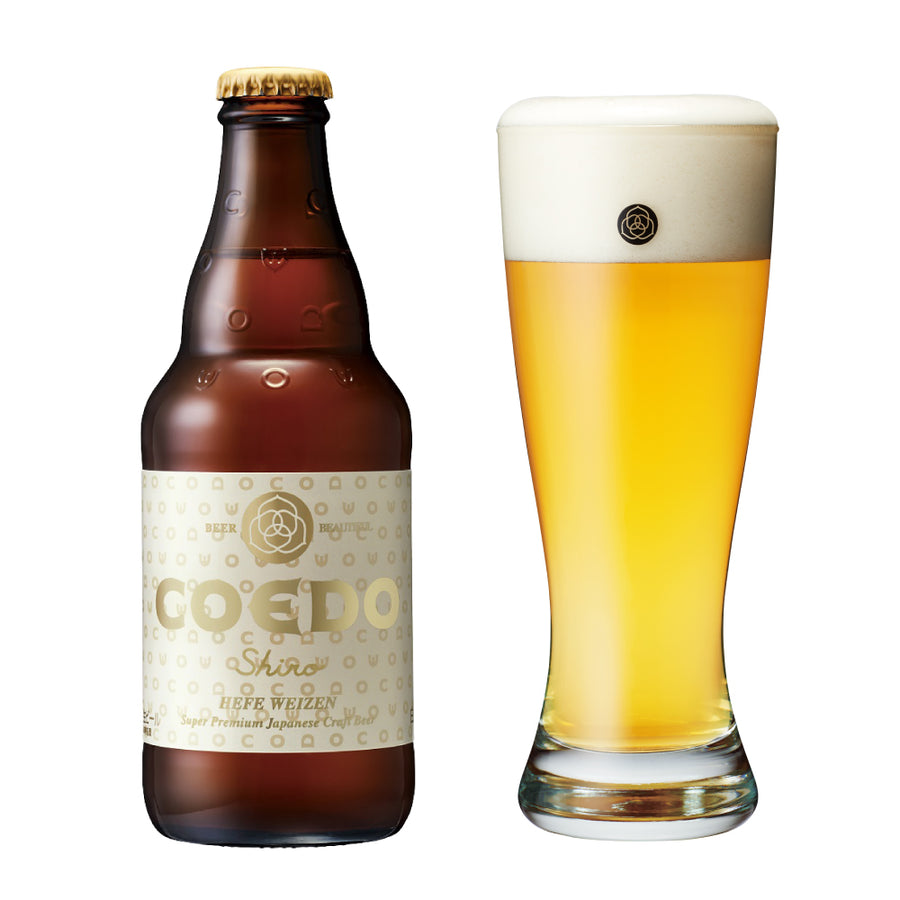
COEDO Shiro
A long-time personal favourite of Ms Tsukamoto, particularly for its fruitiness, gentle bitterness and soft mouthfeel.
View product →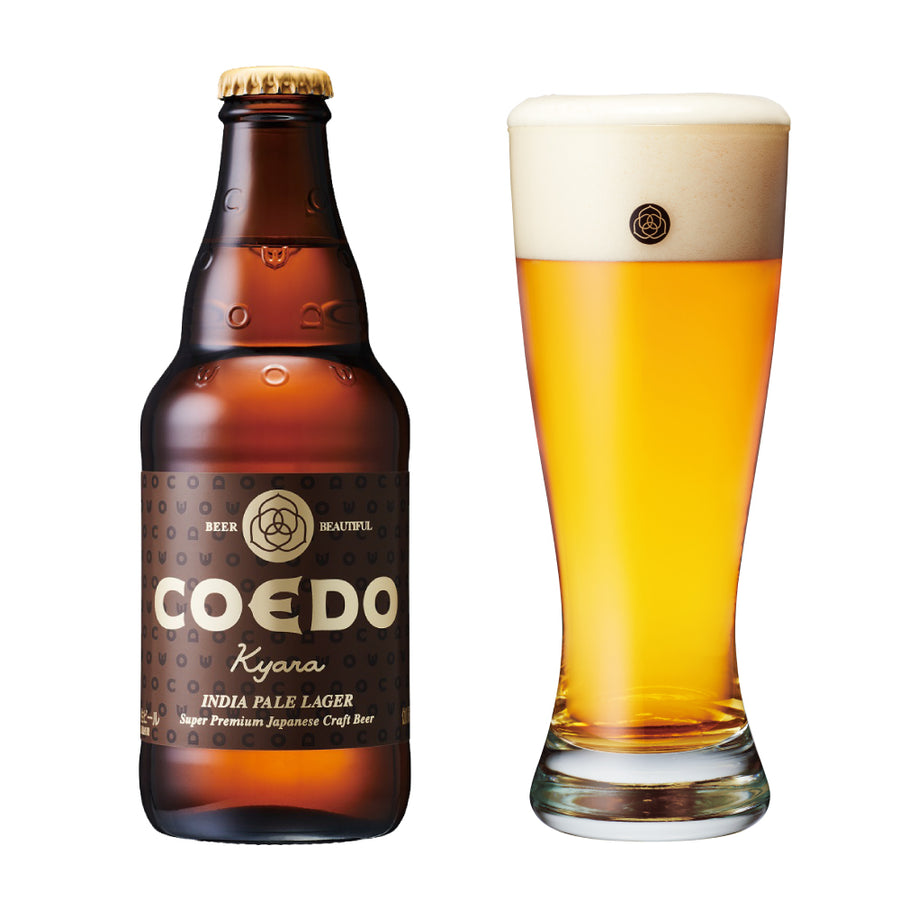
COEDO Kyara
One of the beers Ms Tsukamoto suggests exploring with food — including the unexpected combination of Kyara and a buttery financier.
View product →Behind every COEDO beer is more than a recipe.
There are ingredients, farmers, yeast, brewers and countless decisions that never appear on the label.
The next time you open a COEDO, there may be a little more to discover than what is written on the bottle.
■ Frequently Asked Questions
Ms Tsukamoto recommends Beniaka for someone trying COEDO for the first time. She describes it as a flagship beer that brings together COEDO's connection with Kawagoe, agriculture and the company's history.
Her long-time favourite is Shiro. She particularly enjoys its fruitiness, gentle bitterness and soft, rounded mouthfeel, and often drinks it with food or a light evening snack.
Ms Tsukamoto recommends Shikkoku. She particularly highlights the balance between its rich dark-beer character and comparatively light drinking quality.
Yes. Ms Tsukamoto specifically suggests experimenting with British dishes such as Sunday roast and shepherd's pie. She also recommends trying Shikkoku with gâteau au chocolat.
During brewing, roasted sweet potato is added alongside the malt. Starches from both ingredients are broken down into sugars, creating a particularly sweet wort. During fermentation, much of that sugar is then converted into alcohol, resulting in a much cleaner finished beer.
According to Ms Tsukamoto, yeast is very sensitive and needs a clean environment in which to work properly. Equipment therefore needs to be kept thoroughly clean throughout the process, from brewing through to filling.
Interview: Ms Tsukamoto, COEDO Customer Communication Team
This article is based on a written interview conducted by Yutaka Shop Online with Ms Tsukamoto of COEDO's Customer Communication Team. Her answers have been translated from Japanese into British English and lightly edited into article format for clarity while preserving the meaning of her original responses.