


Best before date shown in the image is an example and may vary depending on stock.
Details and/or the design on the packaging shown in the image are subject to change without notice depending on stock.


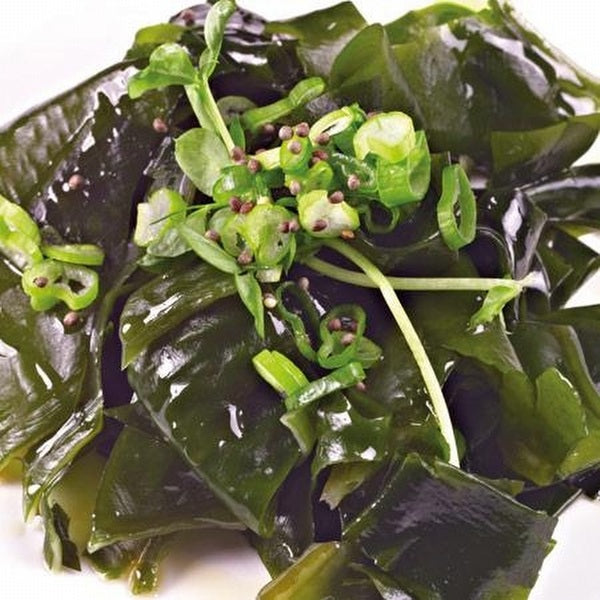
Description
Wakame is often served with sashimi or used as an ingredient in miso soup in Japanese cuisine.High-end ingredients only need the simplest cooking. Wakame is a treasure of the sea and contains many nutrients. The cooking method is simple and versatile. Essential for cooking and suitable for Asian soups, cold salads and hot pot.
YUTAKA brand products using seaweed:
Yutaka Frozen Seaweed Salad 125g
Yutaka Hijiki Seaweed Salad 100g
Allergens
Harvested in an area where Crustaceans and Molluscs are present
Storage Information
Store in a Cool, Dry place
Nutritional Information
Typical values per 100g: Energy: 860kj / 206kcal, Fat: 1.6g, of which saturates: 0.36g, Carbohydrates: 10.5g, of which sugars: 4.9g, Fibre: 2.7g, Protein: 193.6g, Salt: 21.1g
Ingredients
Wakame seaweed (Undaria pinnatifida Suringar)
Item Code
YK70243A
FAQ
Q.How do I rehydrate Yutaka Dried Wakame seaweed before using it?
A.Soak it before use: that is all that is needed. If you are unsure how to soak wakame, place the amount of dried wakame you need in cold water for about 10 minutes, or in hot water for about 3 minutes, until it softens and opens out. This is essentially how to rehydrate wakame. A little goes a long way, as dried wakame expands several times in size, so a small handful is usually enough for one dish. Once softened, drain it and gently squeeze out the excess water, then add it to your dish. For soups, you can add the dried pieces straight into a simmering broth, where they soften within a minute or two. For cold dishes and salads, the cold-water soak gives the best texture. Because the product is dried, the 40g pack provides a number of servings and stores easily. Keep it in a cool, dry place, and reseal the pack between uses to keep the remaining wakame dry. Check the label for allergen information before use, and do not over-soak it, as it can become too soft if left too long.
Q.What is wakame, and which Japanese dishes can I use it in at home?
A.What is wakame? It is a tender Japanese sea vegetable, a type of edible seaweed with a smooth texture and a mild, savoury taste. It has been used in Japanese cooking for a long time and is light and easy to use. Once rehydrated, Yutaka Dried Wakame is versatile. Its best-known use is in soups: a classic wakame soup is miso soup with softened wakame and tofu, and it also works in clear Japanese broths and noodle soups. It is also used in cold dishes, such as sunomono, a Japanese cucumber and wakame salad in a light rice vinegar dressing, or scattered over green salads or seafood salads. For a heartier meal, add it to a hot pot or serve it alongside sashimi. For a simple wakame recipe, stir a small amount of rehydrated wakame into miso soup just before serving. Because its flavour is mild, it complements other ingredients rather than overpowering them, which makes it easy to add to everyday meals. It is a simple, low-cost way to add seaweed to home cooking. Check the label for allergen information before use.
Q.Is wakame seaweed good for you, and what are its main benefits?
A.Yes, wakame is a nutritious, low-calorie sea vegetable that can be a useful part of a balanced diet. One of the main wakame benefits is that it is naturally low in calories, so it adds flavour and texture without adding much energy. Like many sea vegetables, wakame seaweed is also a source of dietary minerals and fibre, which is part of why it is common in traditional Japanese home cooking. It contains no animal products and is suitable for vegans, and this Yutaka wakame is gluten-free. One thing to keep in mind is that, like most seaweed, wakame naturally contains sodium, so it is best eaten in sensible amounts as part of a varied diet rather than in large quantities. Used in small handfuls in soups, salads and broths, it is an easy way to add variety to meals. As a store-cupboard item it is efficient: a single 40g pack of dried wakame goes a long way and keeps well. Enjoyed regularly in small amounts, it is a convenient everyday staple. Check the current label for full nutrition and allergen information before use.
Featured Content
-

Loyalty Program
Check NowJoin our loyalty program and earn rewards for completing various actions on our store!
Check your points from the " REWARDS " icon at the bottom right of our online shop. -

Matcha Delight
Discover Now💚Matcha paradise for matcha lovers💚A dreamy lineup packed with bold, sweet, and slightly bitter Japanese matcha goodness!✨From classic favorites to new must-tries, it's a matcha paradise waiting for you! 🌿
-

Rice Freshly Milled in London
Shop NowThis premium rice 100% from Japan is selected by a licensed rice sommelier.
Our lineup is freshly milled to offer a different taste of origin, brand, aroma, and stickiness to your everyday dish.


