


Celebrate the Japanese New Year with Ozoni, a traditional soup made with soft, chewy mochi rice cakes in a warm, savoury dashi broth. This Kanto-style Ozoni features toasted square mochi, tender chicken, shiitake mushrooms, carrots and spinach, served in a delicate soy sauce-based soup.
Traditionally enjoyed during the Japanese New Year celebrations, Ozoni is a comforting dish that brings families together. Recipes vary across Japan, with different types of mochi, broths and seasonal ingredients reflecting regional traditions.
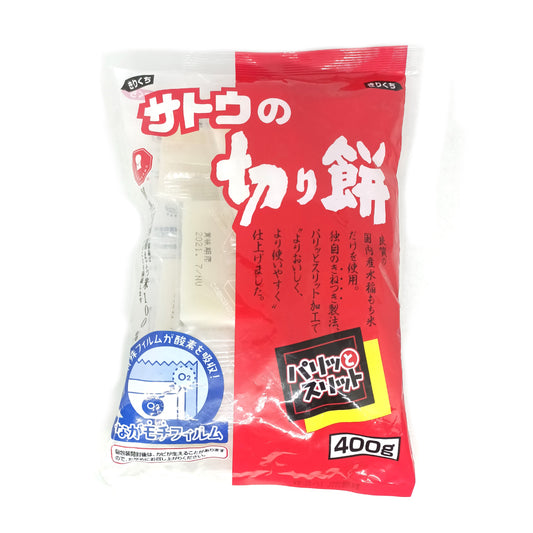
Made with Sato Kirimochi Rice Cakes, Yutaka Katsuo Dashi, soy sauce and mirin, this easy Ozoni recipe brings the flavours of a traditional Japanese New Year meal to your home in just 30 minutes.
Ingredients
Ingredients For the Mochi
- 2 piecesSato Kirimochi Rice Cakes
For the Dashi Broth
- 600mlWater
- 3 sachetsYutaka Katsuo Dashi Stock
- 1 tbspYutaka Reduced Salt Soy Sauce
- 2 tspYutaka Mirin Seasoning
For the Soup Ingredients
- 120gChicken breast, skinless and boneless, cut into small bite-sized pieces
- 60gCarrot, peeled and thinly sliced
- 40gFresh shiitake mushrooms, stems removed and caps thinly sliced
- 60gFresh spinach, washed
- 1Spring onion (approximately 20g), finely sliced
Cooking Steps
1. Prepare the ingredients
Cut the chicken breast into small, even bite-sized pieces, approximately 1.5cm across.
Peel the carrot and cut it into thin slices, approximately 3mm thick. For a decorative New Year presentation, use a small flower-shaped cutter to create carrot flowers.
Remove the tough stems from the shiitake mushrooms and thinly slice the caps.
Wash the spinach thoroughly and finely slice the spring onion. Set all the ingredients aside.
2. Prepare the dashi broth
Bring 600ml of water to the boil in a medium saucepan.
Add the three Yutaka Katsuo Dashi sachets and simmer gently for 3–5 minutes to extract the flavour.
Remove the sachets, then add the reduced salt soy sauce and mirin. Stir well to combine.
3. Cook the vegetables and chicken
Add the sliced carrot to the dashi broth and simmer gently for approximately 4 minutes.
Add the chicken pieces and sliced shiitake mushrooms. Continue simmering for approximately 7–8 minutes, or until the chicken is thoroughly cooked and the carrots are tender.
Skim off any foam that rises to the surface to keep the broth clear.
Check that the chicken is cooked all the way through, with no pink meat remaining. If using a food thermometer, the centre should reach at least 75°C.
4. Add the spinach
Add the fresh spinach to the saucepan and simmer for approximately 1 minute, until wilted.
Taste the broth and adjust with a small splash of hot water if a lighter flavour is preferred.
Keep the soup hot over a low heat while preparing the mochi.
5. Toast the mochi
While the soup is simmering, preheat the grill to a medium-high heat.
Place the two Sato Kirimochi Rice Cakes on a suitable grill tray and toast for approximately 5–8 minutes, following the packet instructions.
Turn if necessary to achieve an even finish. The mochi should be lightly golden and puffed, with a completely soft centre.
Watch carefully, as mochi can expand and brown quickly.
6. Assemble the Ozoni
Place one freshly toasted mochi rice cake into each of two serving bowls.
Divide the chicken, shiitake mushrooms, carrot and spinach evenly between the bowls.
Carefully ladle the hot dashi broth over the ingredients, dividing it equally between the servings.
7. Garnish and serve
Finish each bowl with finely sliced spring onion.
Serve immediately while the broth is hot and the mochi is soft and chewy.
Enjoy this traditional Japanese New Year soup as part of your Oshogatsu celebration.
Tips
In the Kanto region of Japan, square or rectangular mochi is commonly toasted before being added to a clear dashi broth. Toasting gives the rice cakes a lightly browned exterior and a pleasantly chewy centre, adding texture and flavour to the soup.
2. Keep the dashi broth clear
For a delicate, clear soup, simmer the ingredients gently rather than boiling vigorously. Skim away any foam released by the chicken during cooking. This helps maintain the clean appearance and light flavour associated with Kanto-style Ozoni.
3. Use spinach as an alternative to Japanese greens
Traditional Kanto-style Ozoni often contains komatsuna, a Japanese leafy green. Fresh spinach is an easy substitute available in most UK supermarkets. Add it towards the end of cooking to preserve its colour and prevent overcooking.
4. Try dried shiitake for extra umami
For a deeper mushroom flavour, replace the fresh shiitake with approximately 5g Yutaka Dried Winter Shiitake Mushrooms.
Soak the mushrooms according to the packet instructions until fully softened, then drain, slice and add them to the soup. Remember to allow additional time for soaking.
5. Add festive colour with carrot flowers
Use a small flower-shaped cutter to turn the carrot slices into decorative shapes. This simple detail makes Ozoni look particularly festive and creates a beautiful contrast against the green spinach and golden broth.
6. Adjust the broth to your taste
Ozoni is traditionally a gently seasoned soup, allowing the flavour of the dashi and other ingredients to stand out. Taste the broth before serving and adjust with a little extra soy sauce if you prefer a stronger flavour. Additional soy sauce will increase the salt content.
7. Take care when serving mochi
Mochi becomes very sticky and chewy when heated and can present a choking hazard. Ensure the rice cakes are fully softened, take small bites and chew thoroughly. Avoid serving mochi to anyone who may have difficulty chewing or swallowing, particularly young children.
8. Serve Ozoni immediately
Ozoni is best enjoyed freshly prepared. If mochi is left in the hot soup for too long, it may become excessively soft and sticky. Toast the mochi just before serving and assemble the soup at the last moment.
FAQ
Q.What is Ozoni, and why is it eaten at Japanese New Year?
A.Ozoni is a traditional Japanese soup containing mochi rice cakes, commonly eaten during the New Year celebrations known as Oshogatsu. It is an important part of Japanese New Year food culture, with families gathering to enjoy their own versions of the dish. The soup is associated with welcoming the New Year and wishing for health and good fortune.
Q.What is the difference between Kanto-style and Kansai-style Ozoni?
A.Kanto-style Ozoni typically features square or rectangular mochi served in a clear, soy sauce-seasoned dashi broth, often with chicken and vegetables. Kansai-style Ozoni, particularly in Kyoto and Osaka, commonly uses round mochi in a white miso-based soup. Ingredients and cooking methods vary between regions and households, making Ozoni one of Japan's most diverse traditional dishes.
Q.Do you need to toast mochi before adding it to Ozoni?
A.Not always. In Kanto-style Ozoni, mochi is commonly toasted before being placed in the soup, giving it a lightly browned surface and soft, chewy centre. In other regions, mochi may be simmered directly in the broth. Both methods are traditional, depending on the region and family recipe.
Q.Can I make Ozoni vegetarian or vegan?
A.Yes. Replace the chicken with firm tofu or additional vegetables, and use a plant-based dashi made from kombu (kelp) and dried shiitake mushrooms instead of bonito dashi. This creates a vegetarian or vegan variation while retaining the comforting character of Ozoni. Check the labels of all seasonings before use.
Products used in this recipe
-
- Regular price
- £8.40
- Regular price
-
£8.40 - Offer price
- £8.40
Coming back soon -
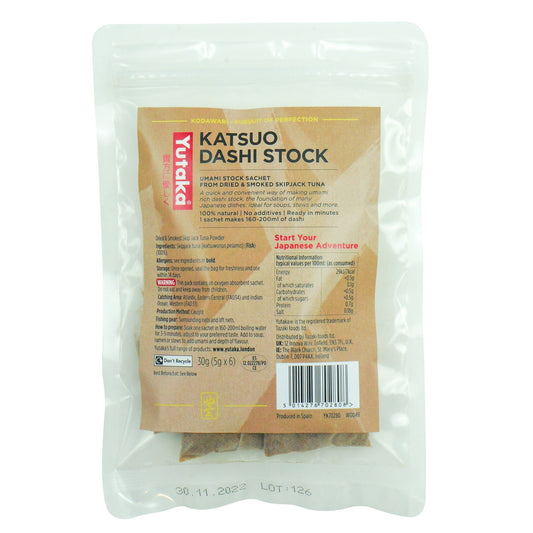
Yutaka Katsuo Dashi Stock Bonito Soup Stock 30g (5g — 6pc)
30g (5g × 6pc)
- Regular price
- £3.85
- Regular price
-
£4.50 - Offer price
- £3.85
Coming back soon -

- Regular price
- £1.79
- Regular price
-
£2.10 - Offer price
- £1.79
Coming back soon -

- Regular price
- £1.88
- Regular price
-
£2.20 - Offer price
- £1.88
Coming back soon
Related recipes
-

Easy Toshikoshi Soba Recipe – Japanese New Year's Eve Noodles
2 Serving -

Nikujaga Recipe: Japanese Beef and Potato Stew
4 ServingEasy -

Soy & Mirin Glazed Christmas Turkey Crown
6 ServingMedium -

Easy Isobeyaki Mochi Recipe – Japanese Grilled Rice Cakes
2 ServingEasy


