


Soft, fluffy and delicately layered, Tamagoyaki is a classic Japanese rolled omelette with a gentle sweetness and a delicious savoury flavour.
Made with eggs, Japanese dashi stock, mirin and a splash of soy sauce, this traditional Japanese egg dish is cooked in thin layers and carefully rolled to create its distinctive shape and tender texture.
Perfect for a Japanese-style breakfast, homemade bento box or a simple side dish, this easy Tamagoyaki recipe brings an authentic taste of Japan to your kitchen. Best of all, you can make it using a regular non-stick frying pan, without any special equipment.
Ingredients
For the Tamagoyaki -
- 3large eggs
- 30mlprepared Yutaka Katsuo Dashi Stock, cooled
For the Tamagoyaki
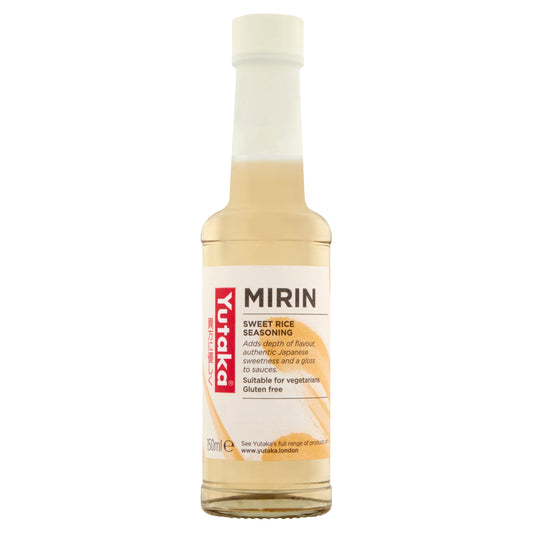
- 1 tsp (5ml)Yutaka Mirin Sweet Rice Seasoning
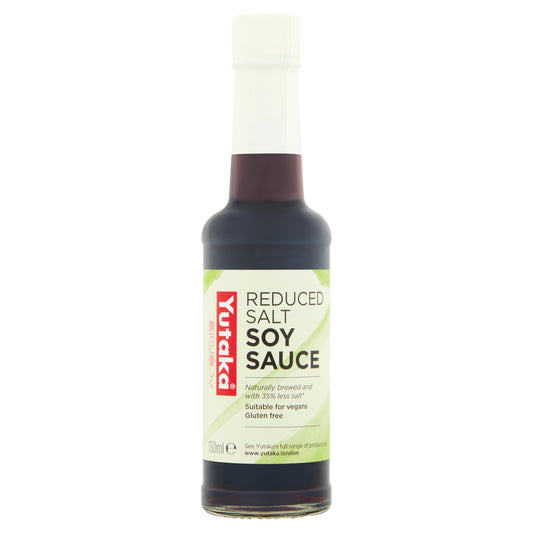
- 1 tsp (5ml)Yutaka Reduced Salt Soy Sauce
- 1 tsp (4g)caster sugar
- 1 tsp (5ml)vegetable oil, for greasing the pan
Cooking Steps
1, Prepare the egg mixture
Crack the eggs into a medium mixing bowl.
Gently beat with chopsticks or a fork until the yolks and whites are combined, taking care not to incorporate too much air.
Add the cooled dashi stock, mirin, soy sauce and caster sugar.
Mix gently until the sugar has dissolved and the ingredients are evenly combined.
For a smoother omelette, optionally pass the mixture through a fine sieve into a clean bowl.
2, Heat the frying pan
Place a small non-stick frying pan (approximately 18–20cm in diameter) over a medium-low heat.
Pour the vegetable oil into a small dish and use a folded piece of kitchen paper to lightly grease the pan.
Keep the remaining oil on the paper for greasing between layers.
The pan should be hot enough to cook the egg gently without browning it too quickly.
3, Cook the first egg layer
Pour approximately one-quarter of the egg mixture into the pan, tilting it to create a thin, even layer.
Allow the egg to cook until the surface is mostly set but still slightly moist.
Using a spatula, carefully lift the edge furthest from you and begin rolling the egg towards you.
Continue rolling until you have a small, compact omelette at the front of the pan.
4, Add the second layer
Gently push the rolled omelette back towards the far end of the pan.
Lightly grease the exposed surface using the oiled kitchen paper.
Pour another quarter of the egg mixture into the pan.
Lift the existing roll slightly so the fresh egg mixture flows underneath it.
Allow the new layer to cook until mostly set, then roll the existing omelette towards you again, incorporating the new layer.
5, Continue rolling
Repeat the process with the remaining egg mixture, adding it in two further portions.
Each time, lightly grease the pan, allow the fresh egg to flow beneath the existing roll and roll the omelette gently towards you.
If using a round frying pan, fold the curved sides of each layer inwards as you roll to help create a neat, compact shape.
Continue cooking gently until all the egg has been used and the omelette is fully set, with no liquid egg remaining.
6, Rest and shape
Carefully transfer the Tamagoyaki to a clean plate or chopping board.
Allow it to rest for approximately 2 minutes so the layers settle and the omelette holds its shape.
If necessary, gently adjust the shape with a spatula while it is still warm.
7, Slice and serve
Using a sharp knife, cut the Tamagoyaki crosswise into six even slices.
Arrange three slices on each serving plate, showing the delicate rolled layers.
Serve warm as part of a traditional Japanese breakfast, a bento lunch or a simple side dish.
Tips
A traditional Japanese Tamagoyaki pan is rectangular, making it easier to create even layers. However, a small round non-stick frying pan works well too. Use a flexible spatula to help roll the omelette without tearing it.
2. Cook over a medium-low heat
Tamagoyaki should have a beautiful golden-yellow colour rather than a dark brown surface. Keep the heat gentle and adjust it if the egg starts browning too quickly.
3. Keep the egg layers thin
Pouring the egg mixture in several thin layers creates the distinctive rolled appearance. Avoid adding too much mixture at once, as thicker layers can be difficult to roll.
4. Add dashi for extra umami
Japanese dashi stock gives the omelette a delicate savoury flavour and tender texture. This recipe uses a small amount to make rolling easier for beginners. For a richer dashi flavour, you can increase the stock slightly, although a wetter egg mixture can be more difficult to handle.
5. Adjust the sweetness to taste
Tamagoyaki varies across Japanese households and regions. Some versions are sweeter, while others are more savoury. For a sweeter version, add an extra ½ tsp of caster sugar. For a less sweet omelette, omit the caster sugar and use only mirin.
6. Avoid overbeating the eggs
Gently combine the eggs without creating too many bubbles. This helps produce smooth, even layers and prevents the omelette from developing large air pockets.
7. Make it part of a Japanese breakfast
Serve Tamagoyaki alongside steamed Japanese rice, miso soup and Japanese pickles for a traditional Japanese-style breakfast.
8. Prepare it for a bento lunch
Tamagoyaki is a popular addition to Japanese bento boxes. Allow it to cool promptly after cooking, refrigerate and keep chilled until serving. Make sure the egg is thoroughly cooked, particularly when preparing it in advance.
FAQ
Q.What is Tamagoyaki?
A.Tamagoyaki is a traditional Japanese rolled omelette made by cooking seasoned eggs in thin layers and rolling them together. It often has a slightly sweet flavour and a soft, tender texture. Tamagoyaki is commonly served for breakfast, in bento boxes or as a side dish.
Q.What is the difference between Tamagoyaki and Dashimaki Tamago?
A.Both are Japanese rolled omelettes. Tamagoyaki often has a sweeter flavour, while Dashimaki Tamago contains a higher proportion of dashi stock, giving it a softer, more delicate texture and a stronger savoury taste. This recipe combines a gentle sweetness with a small amount of dashi.
Q.Can I make Tamagoyaki without a special Japanese pan?
A.Yes. Although a rectangular Tamagoyaki pan makes rolling easier, you can use a small round non-stick frying pan. Simply fold the edges inwards as you roll each layer to create a neat shape.
Q.Why does my Tamagoyaki fall apart when rolling?
A.This usually happens when the egg layer is too thick, too wet or not sufficiently set before rolling. Cook each layer gently until it is mostly set, then carefully roll it using a spatula. A small amount of moisture helps the layers stick together, but the finished omelette should be fully cooked.
Q.Can I make Tamagoyaki without dashi?
A.Yes. Replace the 30ml of dashi with 30ml of water for a simpler version. The omelette will have a milder flavour, but the mirin, soy sauce and sugar will still provide a pleasant balance of sweetness and savouriness.
Products used in this recipe
-
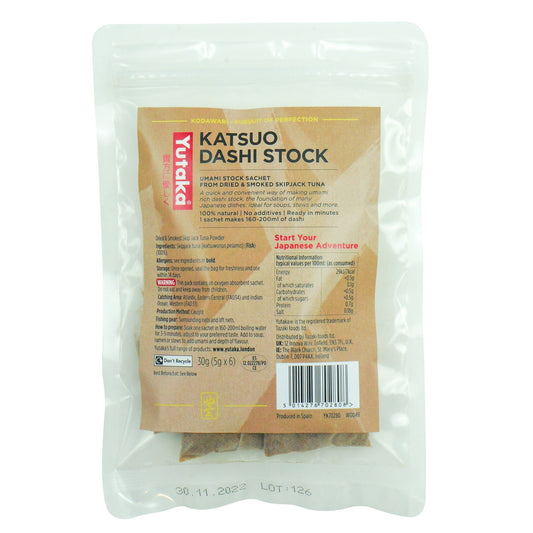
Yutaka Katsuo Dashi Stock Bonito Soup Stock 30g (5g — 6pc)
30g (5g × 6pc)
- Regular price
- £3.85
- Regular price
-
£4.50 - Offer price
- £3.85
Coming back soon -
- Regular price
- £1.88
- Regular price
-
£2.20 - Offer price
- £1.88
Coming back soon -
- Regular price
- £1.79
- Regular price
-
£2.10 - Offer price
- £1.79
Coming back soon
Related recipes
-

Gyudon – Japanese Beef Bowl
2 ServingEasy -

Easy Ozoni Recipe – Japanese New Year Mochi Soup
2 ServingEasy -

Easy Toshikoshi Soba Recipe – Japanese New Year's Eve Noodles
2 Serving -

Nikujaga Recipe: Japanese Beef and Potato Stew
4 ServingEasy


