


The terminology and style can vary by region and household in Japan, but both are associated with sweet azuki beans and rice cakes. This easy version keeps plenty of whole azuki beans in a warm, lightly loosened sweet bean soup and finishes each bowl with toasted kirimochi. MAFF also notes that names and preparations for similar azuki-and-mochi dishes vary by region.
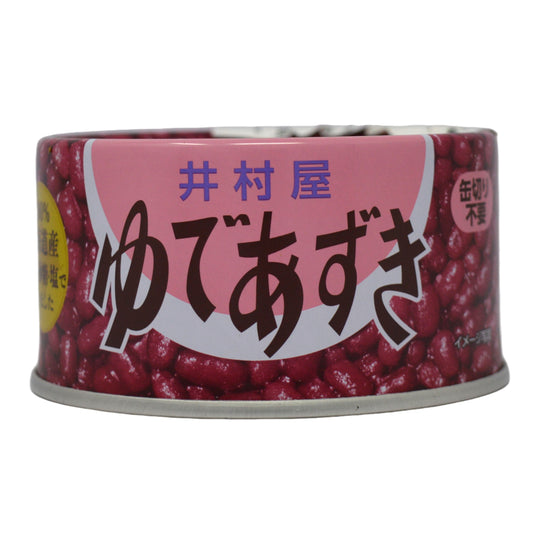
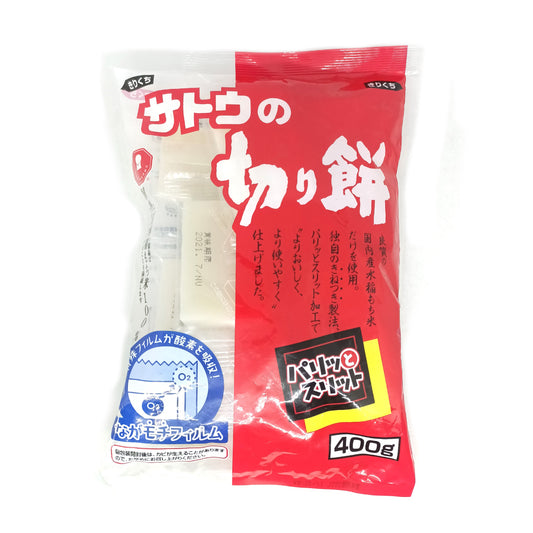
Using Imuraya Hokkaido Yude Azuki means there is no need to soak and cook dried beans from scratch. Simply warm the sweetened azuki with water and add freshly toasted Sato Kirimochi for an easy Japanese winter dessert ready in around 15 minutes.
Ingredients
Oshiruko / Zenzai
- 1 packImuraya Hokkaido Yude Azuki
- 160mlWater
- 2 piecesSato Kirimochi rice cakes, approximately 50g each
- A small pinch of salt
Optional
- A little extra hot water, to adjust the consistency
Cooking Steps
1. Prepare the Azuki
Add the full 200g pack of Imuraya Hokkaido Yude Azuki to a small saucepan.
Pour in 160ml water and stir gently.
Place over a medium-low heat.
The Yude Azuki is already cooked and sweetened, so this recipe only needs to warm and loosen the beans rather than cook them from scratch.
2. Simmer the Sweet Red Bean Soup
Bring the mixture to a gentle simmer.
Cook for approximately 5 minutes, stirring occasionally.
Add a small pinch of salt and stir.
The salt should not make the soup taste salty; it simply balances the sweetness of the azuki.
If you prefer a thinner oshiruko-style consistency, add another 20–40ml hot water.
For a thicker, bean-rich texture, keep the original consistency.
3. Toast the Kirimochi
While the azuki is heating, cook 2 Sato Kirimochi according to the pack instructions.
They can be grilled, toasted or cooked until the outside is lightly golden and the centre becomes soft and stretchy.
Sato Kirimochi is made from 100% rice and can be grilled, boiled or added to soup.
4. Watch the Mochi Carefully
As the kirimochi heats, it will begin to soften and may puff slightly.
Remove it once the outside has lightly browned and the inside is completely soft.
Do not leave the mochi unattended while grilling or toasting.
5. Serve
Divide the hot sweet azuki soup between two bowls.
Place one freshly cooked kirimochi into each bowl.
Spoon a little of the warm azuki over the mochi, while leaving part of the toasted surface visible.
Serve immediately while warm.
Tips
Imuraya Yude Azuki already contains sugar, so taste the soup before adding any additional sweetness.
2. Adjust the Consistency with Water
There is no single required thickness. Add a little more hot water for a soupier result, or use less water if you prefer plenty of whole azuki beans in each spoonful.
3. Toast the Mochi Separately
Cooking the kirimochi separately before placing it in the soup gives you a lightly toasted exterior and soft, chewy centre.
4. Add the Mochi Just Before Serving
Mochi continues to soften once it sits in hot liquid. Add it at the last moment for the best contrast between the toasted outside and chewy centre.
5. A Pinch of Salt Makes a Difference
A very small amount of salt can help balance the sweetness of the azuki without making the dessert savoury.
6. Mochi Is Very Chewy
Kirimochi becomes extremely chewy when cooked. Eat it in small, manageable bites and chew thoroughly. Take particular care when serving mochi to children, older people or anyone who may have difficulty chewing or swallowing.
7. Make the Azuki Soup Ahead
You can prepare the sweet azuki portion in advance, cool it promptly and refrigerate it. Reheat thoroughly and prepare the mochi fresh just before serving.
FAQ
Q.What is Oshiruko?
A.Oshiruko is a Japanese sweet red bean dish made with azuki beans and sugar, usually served warm with mochi or another rice-based accompaniment.
Q.What is Zenzai?
A.Zenzai is another Japanese sweet azuki bean dish commonly served with mochi. The exact meaning and preparation of oshiruko and zenzai vary between regions and households in Japan, so the terms are not used in exactly the same way everywhere.
Q.What is the difference between Oshiruko and Zenzai?
A.There is no single definition that applies throughout Japan. Differences can involve the amount of liquid, whether whole azuki beans remain visible and regional naming traditions. For this reason, this simple whole-bean version can be introduced to UK readers as an easy Oshiruko / Zenzai-style sweet red bean soup.
Q.What is Oshiruko made from?
A.The basic ingredients are sweetened azuki beans, water and usually mochi. Traditional homemade versions may start with dried azuki beans and sugar, while this quick version uses ready-cooked sweetened Yude Azuki.
Products used in this recipe
-
- New Price
- Regular price
- £2.80
- Regular price
-
£2.80 - Offer price
- £2.80
Coming back soon -
- Regular price
- £8.40
- Regular price
-
£8.40 - Offer price
- £8.40
Coming back soon
