


Bring a little Japanese autumn tradition into your home with these easy Tsukimi Dango, or Japanese moon-viewing dumplings.
Tsukimi is Japan’s traditional autumn custom of admiring the moon. During Jugoya, or the Fifteenth Night, round white dango are traditionally offered as part of the celebration. One common custom is to prepare 15 dumplings, reflecting the fifteenth night of the lunar month.
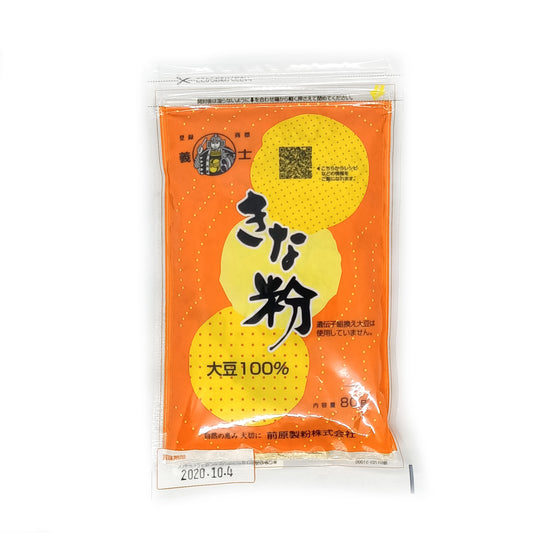
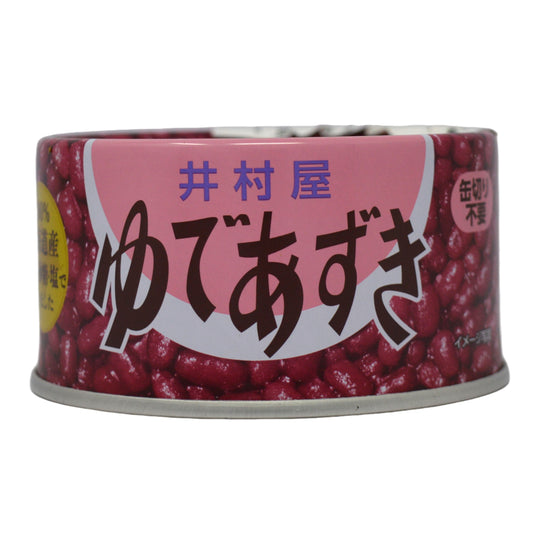
This simple recipe uses shiratamako glutinous rice flour to make 15 soft, chewy dango, served with fragrant Maehara Kinako Roasted Soybean Flour and sweet Imuraya Hokkaido Yude Azuki.
Rolling the dumplings is also a lovely activity to enjoy with children. As you count and shape the 15 dango together, it is an easy opportunity to introduce the family to a little Japanese seasonal culture.
Ingredients
Tsukimi Dango
- 120gShiratamako Glutinous Rice Flour
- Approx. 100mlWater
Kinako Topping
- 20gKinako Roasted Soybean Flour
- 10gSugar
Serve
- 100gAzuki Beans
Cooking Steps
1. Prepare the Kinako
Add the kinako and sugar to a small bowl.
Mix well and set aside until serving.
You can adjust the amount of sugar depending on how sweet you would like the topping to be.
2. Add Water to the Shiratamako
Place the shiratamako in a mixing bowl.
Start by adding around 80ml of the water and mix well with your hands.
Do not add all the water at once. Add the remaining water little by little as needed.
3. Knead the Dough
Knead until there are no dry patches of flour remaining.
The traditional guideline is to aim for a texture about as soft as an earlobe.
The dough should be soft enough to shape without cracking, but not wet or sticky.
If it feels too dry, add a very small amount of water at a time.
4. Divide into 15 Pieces
Divide the dough evenly into 15 pieces.
Roll each piece between your palms to create a smooth, round dumpling.
Keeping the dango roughly the same size will help them cook evenly.
This is a particularly good step for children to help with.
5. Cook the Dango
Bring a large saucepan of water to the boil.
Carefully add the dango one at a time.
Gently stir once at the beginning if necessary to stop them sticking to the bottom of the pan.
6. Cook Until They Float
As the dango cook, they will begin to float to the surface.
Once they have risen, continue cooking for approximately 1–2 minutes to make sure they are cooked through.
7. Cool in Cold Water
Remove the cooked dango with a slotted spoon and transfer them immediately to a bowl of cold water.
Once cooled, drain thoroughly.
8. Arrange Your Tsukimi Dango
For a traditional moon-viewing presentation, arrange the 15 dango on a plate or tray, building them upwards towards the centre.
They do not need to look perfectly identical.
Making and arranging them together is part of the fun of experiencing Tsukimi at home.
9. Serve with Kinako and Azuki
After enjoying your Tsukimi display, divide the dango between serving plates.
Serve with the prepared kinako sugar and a spoonful of Imuraya Hokkaido Yude Azuki.
You can try them with either topping separately or enjoy both together.
Tips
Different batches of shiratamako may require slightly different amounts of water. Start with less and add more only as needed.
2. Count the 15 Dango Together
If you are making them with children, count the dumplings as you shape them. It gives you a natural opportunity to explain the connection between the 15 dumplings and Jugoya, the Fifteenth Night.
3. Keep the Dango Similar in Size
Evenly sized dumplings will cook at approximately the same speed.
4. Add Kinako Just Before Eating
Kinako absorbs moisture quickly. For the best aroma and texture, add it shortly before serving rather than coating the dango too far in advance.
5. The Azuki Is Ready to Serve
Imuraya Hokkaido Yude Azuki can be served directly from the pack, making it an easy accompaniment to freshly cooked dango.
6. Best Enjoyed on the Day
Shiratama dango can become firmer as they sit, so they are best enjoyed on the day they are made.
7. Take Care When Serving Dango to Children
Dango are soft but very chewy. For younger children, consider cutting them into smaller pieces appropriate for their age and ability to chew, and always supervise them while eating.
FAQ
Q.What is Tsukimi Dango?
A.Tsukimi Dango are Japanese rice dumplings traditionally associated with Tsukimi, Japan’s autumn moon-viewing custom. Their round shape is often associated with the moon.
Q.Why are 15 dango used for Tsukimi?
A.One traditional arrangement uses 15 dango in connection with Jugoya, meaning the Fifteenth Night. However, the number, shape and style of Tsukimi Dango can vary between regions of Japan.
Q.Can I make Tsukimi Dango with shiratamako?
A.Yes. Shiratamako, a type of glutinous rice flour, makes soft and pleasantly chewy dango and is an easy option for making Tsukimi Dango at home.
Q.Are Tsukimi Dango sweet?
A.The dango themselves do not need to contain sugar. Their flavour is mild, so they work particularly well with sweet accompaniments such as kinako sugar, azuki beans or kuromitsu.
Q.Can I prepare Tsukimi Dango in advance?
A.They are best made and eaten on the same day, as the texture can become firmer over time.
Products used in this recipe
-

- New Arrival
- Regular price
- £3.35
- Regular price
-
£3.35 - Offer price
- £3.35
Coming back soon -
- Value Picks
- Regular price
- £1.60
- Regular price
-
£1.60 - Offer price
- £1.60
Coming back soon -
- New Price
- Regular price
- £2.80
- Regular price
-
£2.80 - Offer price
- £2.80
Coming back soon

