


Best before date shown in the image is an example and may vary depending on stock.
Details and/or the design on the packaging shown in the image are subject to change without notice depending on stock.


Description
Yutaka Organic Konjac Noodles are smooth, springy Japanese konjac noodles made from konjac flour. Also known as shirataki noodles, they have a mild flavour that works well with broths, sauces and seasonings, making them a versatile ingredient for both traditional Japanese cooking and everyday noodle dishes.
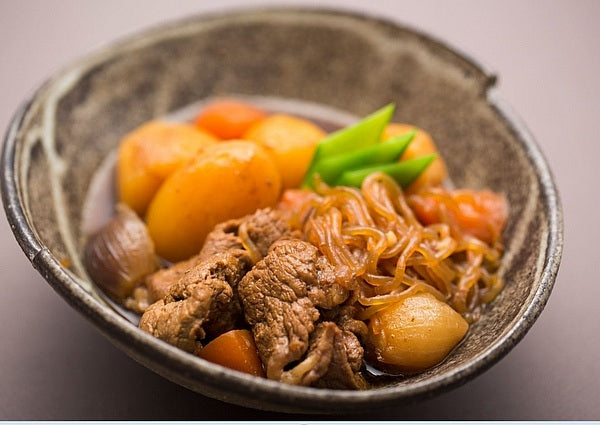
They are ideal for sukiyaki, Japanese hot pots and nikujaga, and can also be used in stir-fries, soups and other noodle dishes. Their smooth, slippery texture makes them especially well suited to dishes where they can take on the flavour of the surrounding broth or sauce.
- Ideal for sukiyaki, hot pots and nikujaga
- Suitable for stir-fries, soups and other noodle dishes
- 10 kcal per 100g
- Less than 1.0g carbohydrate per 100g
- Gluten Free
- Suitable for vegans
- Organic
Related Guide
What are Konjac and Shirataki Noodles?
Not sure about the difference between konjac, konnyaku and shirataki? Read our complete guide to discover what konjac noodles are, what they taste like, their calories and nutrition, what glucomannan is, and how to prepare and cook shirataki noodles.
Read Our Shirataki & Konjac Guide →
FAQ
Q.How do I prepare Yutaka Organic Konjac Noodles for the best texture?
A.Rinse, drain and briefly heat them: that is essentially how to cook konjac noodles. Open the pack, drain off the liquid and rinse the noodles under cold water. To improve the texture, boil them briefly for two to three minutes, or dry-fry them in a hot pan to remove excess moisture. This helps keep them springy and allows them to absorb more flavour from sauces and broths. Once prepared, they are very versatile. In Japanese cooking, they are used in sukiyaki, hot pot dishes and nikujaga, a meat and potato stew, where they take on the savoury broth. They also work well in stir-fries, or as a lighter alternative to ramen, udon or pasta in almost any konjac noodles recipe. Because their own flavour is mild, they take on the sauce or seasoning you add, so they suit many different dishes. They are a convenient organic store-cupboard item and a practical choice for UK shoppers looking for konjac noodles as a quick, low-effort base ready in minutes. Once opened, keep any unused noodles refrigerated and use within three days. Check the label for full ingredient and allergen information before cooking.
Q.What makes Yutaka's organic konjac noodles special, and how many calories are in them?
A.They are very low in calories: these konjac noodles contain only around 10 kcal per 100g, with under 1g of carbohydrate and almost no fat. So what are konjac noodles? They are traditional Japanese noodles made from the root of the konjac plant, an Asian vegetable that contains a fibre called glucomannan. This version is certified organic, which sets it apart from many standard products, and it has a smooth, springy texture. Their low-calorie, low-carbohydrate profile comes from the fact that the noodles are made mostly of water and a small amount of organic konjac flour. Among the wider konjac noodles benefits, they are a source of glucomannan fibre, naturally gluten-free, and suitable for vegans, so they fit a range of diets. Used in place of higher-calorie noodles or pasta, they let you enjoy a generous portion while keeping the calorie count low, which is useful for lower-calorie or lower-carb meals. They are best treated as a light base rather than a source of protein. Check the current label for full nutrition information before use, especially if you are tracking calories or carbohydrate.
Q.Are Yutaka Konjac Noodles gluten-free, and how do they differ from ordinary shirataki?
A.Yes, they are gluten-free. Yutaka Organic Konjac Noodles are gluten-free, as well as vegan and certified organic. They are made from just three ingredients: water, organic konjac flour and a firming agent, calcium hydroxide, with no wheat or grains. This makes them a suitable pasta or noodle alternative for people with coeliac disease or a gluten intolerance, although you should always check the allergen information before serving. You may also see noodles like these sold as shirataki noodles, or searched for as shirataki noodles in the UK. Konjac and shirataki are essentially the same thing, since shirataki is the Japanese name for thin noodles made from konjac. The main difference here is sourcing: many standard shirataki noodles are not organic, whereas these are certified organic and have a short, simple ingredient list. Once opened, keep unused noodles refrigerated and use within three days. Unopened, store them in a cool, dry place. Always confirm the ingredients and allergen details on the current label, particularly if you are cooking for someone with coeliac disease or a medical gluten intolerance.
Featured Content
-

Loyalty Program
Check NowJoin our loyalty program and earn rewards for completing various actions on our store!
Check your points from the " REWARDS " icon at the bottom right of our online shop. -

Matcha Delight
Discover Now💚Matcha paradise for matcha lovers💚A dreamy lineup packed with bold, sweet, and slightly bitter Japanese matcha goodness!✨From classic favorites to new must-tries, it's a matcha paradise waiting for you! 🌿
-

Rice Freshly Milled in London
Shop NowThis premium rice 100% from Japan is selected by a licensed rice sommelier.
Our lineup is freshly milled to offer a different taste of origin, brand, aroma, and stickiness to your everyday dish.


