


Tonjiru is a hearty Japanese miso soup made with pork and plenty of vegetables.
Unlike a simple bowl of miso soup, Tonjiru is substantial enough to feel like part of a full meal. Pork, daikon, carrot, burdock root and konnyaku are gently cooked in dashi, then finished with miso for a rich, savoury broth.
This version uses Yutaka Organic Miso Paste, Yutaka Katsuo Dashi and Yutaka Sesame Oil, together with convenient Yutaka Shredded Burdock Root, making it easy to recreate this comforting Japanese home-style soup in the UK.
Ingredients
Tonjiru
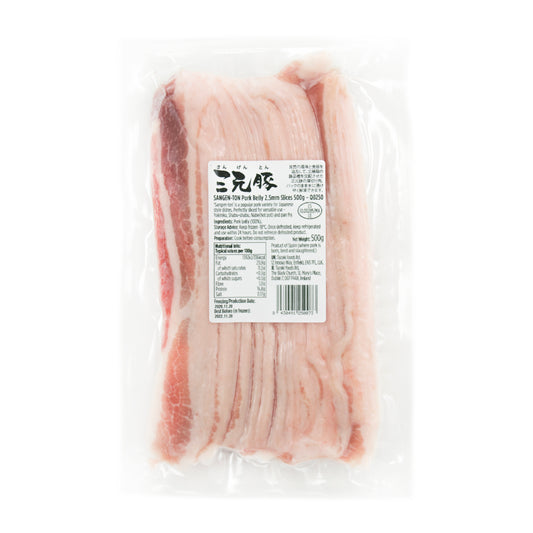
- 200gThinly sliced pork belly, cut into bite-sized pieces
- 200gDaikon radish
- 100gCarrot
- 120gOnion
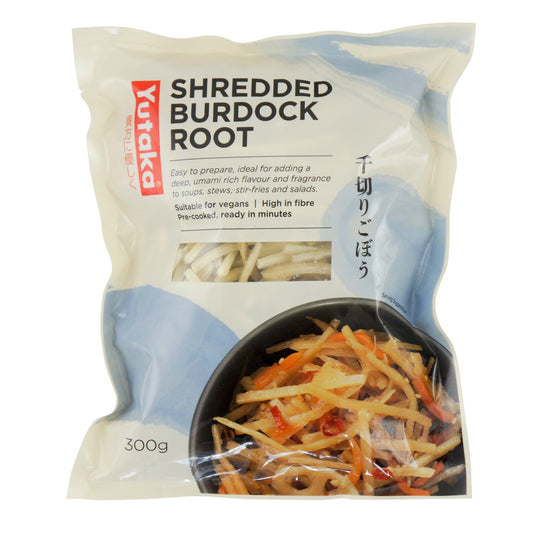
- 100gYutaka Shredded Burdock Root, defrosted
- 100gNishiki Ita Konnyaku, drained
- 1 tspYutaka Sesame Oil
- 800mlWater
- 4 sachetsYutaka Katsuo Dashi
- 60gYutaka Organic Miso Paste
- 2Spring onions, finely sliced, to serve
Cooking Steps
1. Prepare the Dashi
Bring 800ml water to the boil.
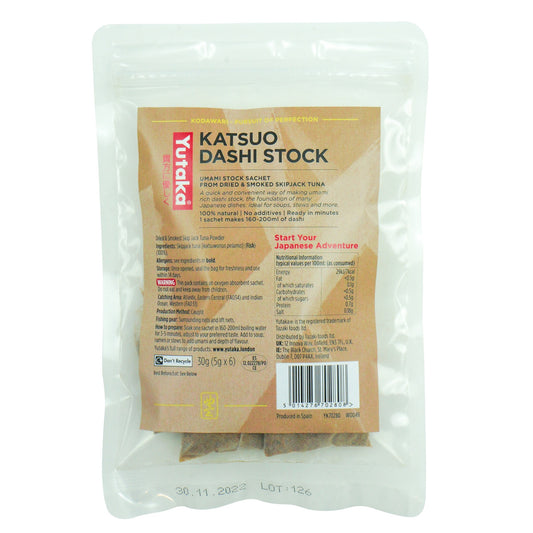
Add 4 sachets Yutaka Katsuo Dashi and steep for approximately 3–5 minutes, following the pack instructions.
Remove the sachets and keep the prepared dashi warm.
Yutaka Katsuo Dashi is made from dried and smoked skipjack tuna, and each sachet is designed to make approximately 160–200ml of dashi.
2. Prepare the Vegetables
Peel the daikon and carrot.
Cut the daikon into thin quarter-rounds or half-moons approximately 5mm thick.
Cut the carrot into slightly thinner slices so that it cooks at a similar speed.
Slice the onion into wedges.
Defrost Yutaka Shredded Burdock Root according to the pack directions.
Yutaka's shredded burdock is already boiled and pre-cut, making it particularly convenient for soups and stews.
3. Prepare the Konnyaku
Drain the Nishiki Ita Konnyaku and rinse well.
Cut approximately 100g into small bite-sized pieces.
For a more rustic Tonjiru texture, you can tear the konnyaku into irregular pieces with your fingers instead of cutting it neatly.
Bring a small saucepan of water to the boil and blanch the konnyaku for approximately 1–2 minutes.
Drain and set aside.
Nishiki Ita Konnyaku is suitable for boiling and simmered Japanese dishes.
4. Cook the Pork
Heat 1 tsp Yutaka Sesame Oil in a large saucepan over a medium heat.
Add the pork belly and cook for approximately 2–3 minutes, separating the pieces as they cook.
The pork does not need to become crisp; cook just until most of the surface has changed colour.
Yutaka Sesame Oil adds a light nutty aroma that works especially well with the pork and root vegetables.
5. Add the Vegetables
Add the:
- daikon
- carrot
- onion
- burdock root
- konnyaku
to the saucepan.
Cook with the pork for approximately 2 minutes, stirring gently.
This brief frying step helps coat the vegetables in the pork juices and sesame oil before the broth is added.
6. Add the Dashi
Pour the prepared 800ml Katsuo Dashi into the saucepan.
Bring to a gentle boil.
If any foam or excess fat rises to the surface, skim it away with a spoon.
Reduce the heat and simmer gently for approximately 15–18 minutes, or until the daikon and carrot are tender.
7. Add the Miso
Reduce the heat to very low.
Place the 60g Yutaka Organic Miso Paste in a small bowl or ladle.
Add a little hot broth and mix until smooth.
Gradually stir the loosened miso back into the soup.
Do not bring the soup back to a vigorous boil after adding the miso.
Yutaka Organic Miso Paste is an unpasteurised rice miso that is specifically recommended for miso soup as well as stews and other everyday Japanese dishes.
8. Taste and Adjust
Taste the Tonjiru.
If the flavour is too strong, add a small splash of hot water.
If you would like a little more miso flavour, dissolve an additional small spoonful of miso in broth before adding it.
Because miso can vary considerably in saltiness, it is better to adjust gradually.
9. Serve
Divide the Tonjiru between four bowls.
Top generously with sliced spring onion.
Serve immediately while hot.
Tonjiru works particularly well alongside steamed Japanese rice for an easy winter meal.
Tips
Thinly sliced pork cooks quickly and distributes throughout the soup. Pork belly gives Tonjiru a richer flavour, while pork shoulder can be used if you prefer a leaner version.
2. Cut Root Vegetables Fairly Thinly
Unlike a stew, Tonjiru should not need a long cooking time. Cutting daikon and carrot into relatively thin pieces helps them become tender in around 15–18 minutes.
3. Burdock Adds a Distinctive Flavour
Gobo, or burdock root, adds an earthy aroma that works particularly well in Tonjiru. Using pre-cut frozen Yutaka Shredded Burdock Root removes much of the preparation normally required.
4. Fry the Pork and Vegetables First
Briefly cooking the ingredients in sesame oil before adding dashi creates a richer, more rounded soup than simply boiling everything together.
5. Add the Miso at the End
Miso is best stirred in once the vegetables are tender. Keep the heat low after adding it rather than boiling the soup vigorously.
6. Add More Vegetables if You Like
Tonjiru varies from household to household. Mushrooms, potatoes, taro or other root vegetables can also work well.
7. Make It Ahead
Tonjiru can be prepared in advance. Cool it promptly, refrigerate and reheat gently. Avoid prolonged boiling when reheating after the miso has been added.
FAQ
Q.What is Tonjiru?
A.Tonjiru is a Japanese soup made with pork, vegetables and miso. It is usually heartier than regular miso soup because it contains ingredients such as daikon, carrot, burdock root and konnyaku.
Q.What does Tonjiru mean?
A.Ton refers to pork, while jiru means soup. The dish is therefore commonly described in English as Japanese pork miso soup.
Q.What is the difference between Tonjiru and Miso Soup?
A.Regular miso soup can be quite simple, often containing only a few ingredients such as tofu, wakame or spring onion. Tonjiru contains pork and a larger variety of vegetables, making it a more substantial soup.
Q.What type of pork is best for Tonjiru?
A.Thinly sliced pork belly is a common choice because its fat adds flavour to the broth. Thinly sliced pork shoulder also works well if you prefer a leaner soup.
Q.What vegetables are used in Tonjiru?
A.Daikon, carrot and burdock root are particularly common choices. Konnyaku, onion, mushrooms, taro and other root vegetables may also be used depending on the household and region.
Products used in this recipe
-
- Frozen
- New Price
- Regular price
- £6.90
- Regular price
-
£8.09 - Offer price
- £6.90
Coming back soon -
- Frozen
- Value Picks
- Regular price
- £1.80
- Regular price
-
£2.10 - Offer price
- £1.80
Coming back soon -

- Value Picks
- Regular price
- £1.40
- Regular price
-
£1.40 - Offer price
- £1.40
Coming back soon -
Yutaka Katsuo Dashi Stock Bonito Soup Stock 30g (5g — 6pc)
30g (5g × 6pc)
- Regular price
- £4.50
- Regular price
-
£4.50 - Offer price
- £4.50
Coming back soon -

- Regular price
- £3.40
- Regular price
-
£3.40 - Offer price
- £3.40
Coming back soon


Related recipes
-

Japanese Shirataki Ramen Recipe with Creamy Sesame Miso Soup
2 ServingMedium -

Easy Japanese Pork Gyoza Recipe – Crispy Pan-Fried Dumplings
5 ServingMedium -

Nikujaga Recipe: Japanese Beef and Potato Stew
4 ServingEasy -

Japanese Oden Recipe: Easy Warming Winter Hot Pot
4 ServingEasy


