Curry udon combines two Japanese comfort-food favourites: thick, chewy udon noodles and rich Japanese-style curry.
This easy version uses Yutaka Frozen Kano Udon and Yutaka Katsu Curry Sauce with Vegetables, then loosens the curry with a light dashi-based udon broth. The result is thicker than a regular noodle soup but lighter and more spoonable than Japanese curry served with rice.
Ready in around 15 minutes, it is an easy warming meal for autumn and winter evenings.
材料
Curry Udon
- 2 portionsYutaka Frozen Kano Udon
- 2 pouchesYutaka Katsu Curry Sauce with Vegetables
- 250mlWater
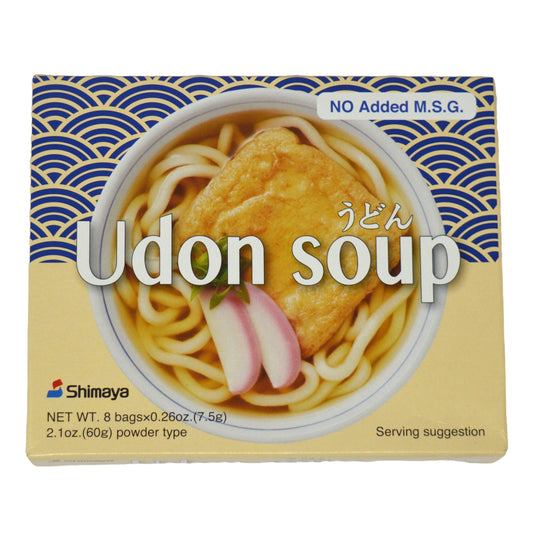
- 5gShimaya Udon Soup Powder
- 1Spring onion, finely sliced
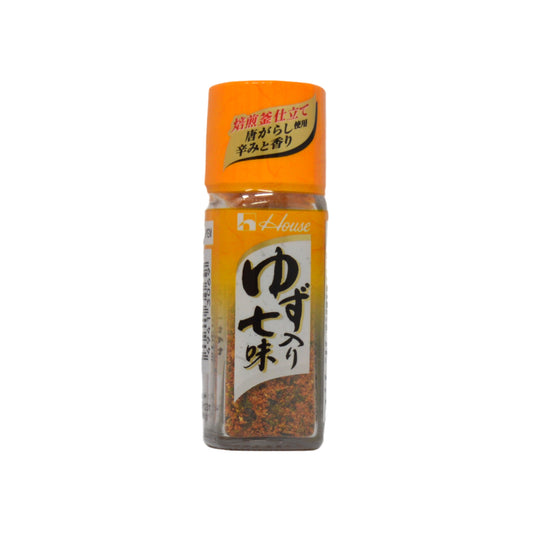
- Shichimi togarashi, optional, to serve
Optional Topping
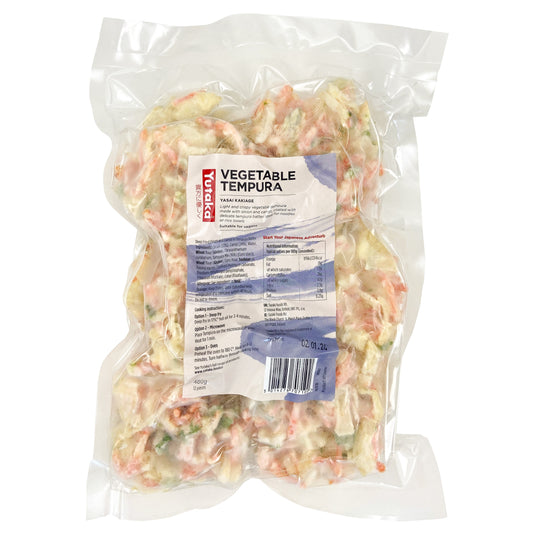
- 2 piecesYutaka Vegetable Tempura
調理手順
1. Prepare the Spring Onion
Wash and finely slice the spring onion.
Keep it aside until serving so that it stays fresh and adds a little colour and sharpness to the rich curry broth.
2. Heat the Udon
Prepare the Yutaka Frozen Kano Udon according to the pack instructions.
You can microwave or boil the noodles. Once heated, gently loosen the strands without breaking them.
Set aside while you prepare the curry broth.
Yutaka Frozen Kano Udon is made in Yamaguchi Prefecture and is suitable for boiling or microwaving.
3. Make the Udon Broth
Add 250ml water to a medium saucepan and place over a medium heat.
Add 5g Shimaya Udon Soup Powder and stir until dissolved.
Bring the broth to a gentle simmer.
Shimaya Udon Soup Powder contains dried bonito and kelp, giving the curry broth a Japanese-style dashi base.
4. Add the Japanese Curry
Add the contents of both Yutaka Katsu Curry Sauce with Vegetables pouches to the saucepan.
Stir thoroughly so that the curry blends evenly with the dashi broth.
Bring back to a gentle simmer and cook for approximately 2–3 minutes.
Avoid boiling too vigorously, as the curry may catch on the bottom of the saucepan.
The Yutaka curry sauce already contains potato, carrot and onion, making it particularly convenient for this quick curry udon. The product is also specifically recommended for Curry Udon.
5. Add the Udon
Add the heated udon noodles directly to the curry broth.
Use chopsticks or tongs to gently separate the noodles and coat them in the sauce.
Simmer for approximately 1–2 minutes, just until the noodles are piping hot and have absorbed some of the curry flavour.
If you prefer a thinner curry soup, add another 50ml of hot water.
If you prefer a richer, thicker Curry Udon, keep the broth as it is.
6. Heat the Optional Vegetable Tempura
If using Yutaka Vegetable Tempura, heat it according to the pack instructions.
For a crispier result, oven heating or deep-frying works particularly well. The product can also be microwaved for a quicker option.
7. Serve
Divide the Curry Udon between two deep bowls.
Spoon the curry broth and vegetables evenly over the noodles.
Top with sliced spring onion.
Add a piece of vegetable tempura to each bowl if using, and finish with a little shichimi togarashi for extra heat if desired.
Serve immediately while piping hot.
ポイント
Japanese Curry Udon should usually be thicker than a standard udon soup but loose enough to eat comfortably with noodles. Add a little hot water if the broth becomes too thick.
2. Do Not Overcook the Udon
The frozen udon is already cooked, so it only needs to be heated through. Simmering it for too long in the curry can make the noodles softer than intended.
3. Start with Less Udon Soup Powder
Japanese curry sauce already contains seasoning. The dashi should support the curry rather than overpower it, which is why this recipe uses only a small amount of soup powder.
4. Add Tempura Just Before Serving
If using vegetable tempura, place it on top at the last moment. This gives you a contrast between the crisp topping and the thick curry broth.
5. Make It More Filling
You can add sliced cooked chicken, mushrooms or additional vegetables. However, because the Yutaka curry sauce already contains potato, carrot and onion, the basic recipe does not need extra vegetables.
6. For a Vegetarian Version
The Yutaka curry sauce itself is suitable for vegans, but Shimaya Udon Soup Powder contains bonito, so this version is not vegetarian. For a vegetarian version, replace the udon soup powder with a suitable kombu- or vegetable-based Japanese soup stock.
FAQ
Q.What is Curry Udon?
A.Curry Udon is a Japanese noodle dish made with thick udon noodles served in a Japanese-style curry broth. The broth is usually lighter than curry served over rice because it is combined with dashi or noodle soup stock.
Q.Is Curry Udon the same as Japanese curry rice?
A.No. They use similar Japanese curry flavours, but Curry Udon combines the curry with dashi or noodle broth so that it has a more soup-like consistency and coats the udon noodles easily.
Q.Can I use Japanese curry sauce to make Curry Udon?
A.Yes. Ready-made Japanese curry sauce is a convenient way to make Curry Udon. Yutaka Katsu Curry Sauce with Vegetables is specifically listed for both Curry Rice and Curry Udon.
Q.What type of udon is best for Curry Udon?
A.Thick udon noodles work particularly well because their chewy texture stands up to the rich curry broth. Frozen udon is especially convenient because it heats quickly and maintains a satisfying texture.
Q.How thick should Curry Udon soup be?
A.It should usually be thicker than ordinary udon soup but looser than curry served with rice. You should be able to lift the noodles easily while still getting plenty of curry broth with each mouthful.
Q.Can I make Curry Udon less spicy?
A.Yes. You can add a little more water or dashi broth to soften the curry flavour. The Yutaka curry sauce used here is medium in heat, so adjusting the broth is an easy way to make it milder.
Q.Is this Curry Udon vegetarian?
A.No. Although the Yutaka Katsu Curry Sauce with Vegetables is suitable for vegans, the Shimaya Udon Soup Powder contains dried bonito. Use a vegetarian kombu-based soup stock instead if required.
Q.What toppings go well with Curry Udon?
A.Sliced spring onion is a simple classic-style garnish. Vegetable tempura also works particularly well, while mushrooms, cooked chicken or a soft-boiled egg can make the bowl more substantial.