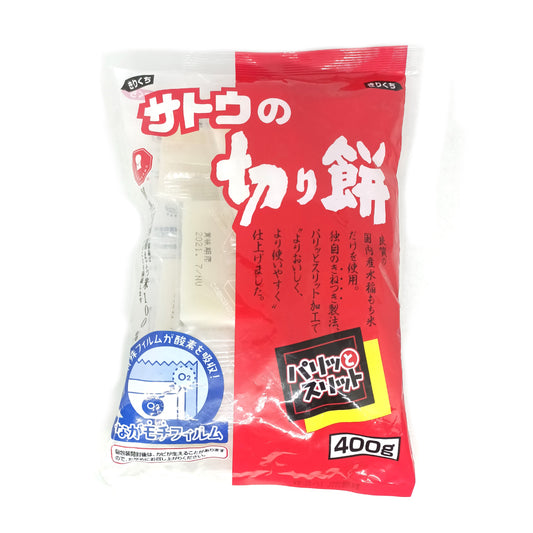
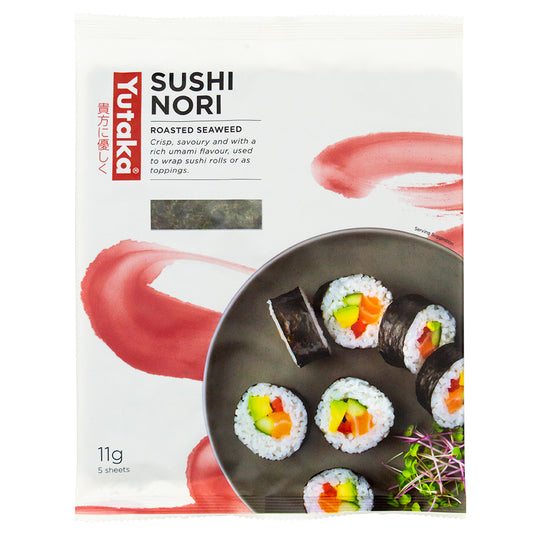
Crispy on the outside and soft and chewy inside, Isobeyaki Mochi is a classic Japanese snack made with grilled rice cakes coated in a sweet and savoury soy sauce glaze, then wrapped in roasted nori seaweed.
Popular throughout Japan, Isobeyaki is an especially delicious way to enjoy mochi during the Japanese New Year celebrations. The lightly toasted rice cakes develop a golden exterior while remaining wonderfully soft inside, and the combination of soy sauce and nori adds a rich, satisfying umami flavour.
Made with Sato Kirimochi Rice Cakes, Yutaka Reduced Salt Soy Sauce and Yutaka Sushi Nori, this easy Japanese mochi recipe is ready in just 15 minutes. Perfect as a warming winter snack or a simple way to enjoy traditional Japanese flavours at home.
材料
For the Mochi
- 4 piecesSato Kirimochi Rice Cakes
For the Sweet Soy Sauce Glaze
- 1 tbspYutaka Reduced Salt Soy Sauce
- 2 tspCaster sugar
- 1 tspHot water
For Wrapping
調理手順
1. Prepare the sweet soy sauce glaze
In a small heatproof bowl, combine the Yutaka Reduced Salt Soy Sauce, caster sugar and hot water.
Stir well until the sugar has completely dissolved and the mixture forms a smooth, lightly sweetened soy sauce glaze.
Set aside while preparing the mochi.
2. Prepare the nori seaweed
Cut the Yutaka Sushi Nori sheet into four wide rectangular strips, approximately the width of the mochi rice cakes.
Set the strips aside in a dry place until ready to wrap the mochi.
3. Grill the mochi
Place the four Sato Kirimochi Rice Cakes in a dry, non-stick frying pan over a medium-low heat, leaving a little space between each piece.
Cover with a lid and cook for approximately 4–5 minutes, until the undersides begin to turn lightly golden.
Turn the rice cakes over carefully using a spatula or tongs.
Continue cooking for another 3–5 minutes, until both sides are lightly golden and the rice cakes have puffed up and become completely soft in the centre.
If the centres are still firm, continue cooking gently for another 1–2 minutes, checking frequently to prevent burning.
4. Coat with the sweet soy sauce glaze
Remove the cooked mochi from the frying pan and place them on a heatproof plate.
While the mochi are still hot, brush both sides generously with the prepared sweet soy sauce glaze.
Alternatively, briefly dip each mochi into the glaze, turning to coat evenly.
The hot mochi will absorb some of the seasoning, creating a delicious sweet and savoury flavour.
5. Wrap with nori seaweed
Wrap one strip of Yutaka Sushi Nori around the centre of each glazed mochi rice cake.
Gently press the seaweed against the mochi so it adheres to the sticky surface.
Repeat with the remaining rice cakes.
6. Serve immediately
Arrange the four Isobeyaki Mochi on a serving plate and enjoy while warm.
The exterior should be lightly crisp, while the centre remains soft, stretchy and chewy.
Serve immediately for the best flavour and texture, taking small bites and chewing thoroughly.
ポイント
Kirimochi is a type of firm, rectangular Japanese rice cake made from glutinous rice. Sato Kirimochi Rice Cakes are individually wrapped and can be stored at room temperature according to the packaging instructions. When heated, they become wonderfully soft and chewy, making them ideal for Isobeyaki.
2. Grill slowly over a medium-low heat
Avoid cooking mochi over a high heat, as the outside can brown or burn before the centre has softened. A medium-low heat allows the rice cakes to warm through gradually, creating a lightly crisp exterior and soft, chewy centre.
3. Cook the mochi without adding oil
A good non-stick frying pan allows the mochi to toast without additional oil. This keeps the recipe simple and gives the rice cakes a pleasantly toasted surface without making them greasy.
4. Adjust the sweetness to your preference
Traditional Isobeyaki can be made with plain soy sauce or a sweetened soy sauce glaze. This recipe uses a small amount of caster sugar for a balanced sweet and savoury flavour. For a more traditional savoury version, omit the sugar and use the soy sauce on its own.
5. Add the soy sauce after grilling
Soy sauce and sugar can burn quickly when exposed to high heat. For the best results, grill the mochi first, then remove it from the frying pan before applying the glaze. This prevents scorching and allows the natural toasted flavour of the mochi to shine through.
6. Wrap the nori just before serving
Yutaka Sushi Nori adds a crisp texture and rich umami flavour to the grilled mochi. Wrap it around the rice cakes just before serving to retain some of its crispness. The nori will gradually soften where it touches the warm, glazed mochi.
7. Enjoy mochi during Japanese New Year
Mochi is an important part of Japanese New Year food traditions. While Ozoni is a popular New Year soup containing mochi, Isobeyaki offers another delicious way to enjoy Japanese rice cakes. It is particularly convenient for using any extra kirimochi remaining after the New Year celebrations.
8. Take care when eating mochi
Mochi becomes extremely sticky and chewy when heated and can present a choking hazard. Always take small bites and chew thoroughly before swallowing. Extra care is necessary for older people and anyone who has difficulty chewing or swallowing. Mochi should not be served to young children or anyone unable to chew and swallow it safely.
FAQ
Q.What is Isobeyaki Mochi?
A.Isobeyaki Mochi is a traditional Japanese snack made by grilling or toasting mochi rice cakes, coating them with soy sauce and wrapping them in nori seaweed. Some recipes use a sweetened soy sauce glaze, while others use plain soy sauce. The combination of chewy rice cakes, savoury seasoning and aromatic seaweed makes Isobeyaki a popular way to enjoy mochi in Japan.
Q.Why is Isobeyaki Mochi popular during Japanese New Year?
A.Mochi plays an important role in Japanese New Year celebrations and is traditionally enjoyed in various dishes, including Ozoni soup. Isobeyaki is a simple and delicious way to prepare mochi during the festive season, especially when families have extra kirimochi at home. Although it is enjoyed throughout the year, it is particularly popular during winter and the New Year period.
Q.What is the difference between kirimochi and sweet mochi?
A.Kirimochi is a firm Japanese rice cake made from pounded glutinous rice, usually shaped into rectangular blocks. It is not sweetened and is typically grilled, boiled or added to savoury dishes. Sweet mochi desserts, such as daifuku, often contain sugar or sweet fillings like red bean paste. Kirimochi is the preferred choice for making traditional Isobeyaki.
Q.Can I make Isobeyaki Mochi without a grill?
A.Yes. You can easily make Isobeyaki Mochi in a non-stick frying pan. Cook the rice cakes over a medium-low heat, turning occasionally until both sides are lightly golden and the centres are completely soft. A grill or toaster oven can also be used, following the rice cake packaging instructions.