

Japanese Breakfast at Home: 5 Easy Ways to Enjoy It

What do Japanese people eat for breakfast? If you picture a traditional Japanese breakfast, you may imagine a beautifully arranged tray with steamed rice, miso soup, grilled fish, egg, nori, pickles and several small dishes.
That style of breakfast certainly exists, particularly at traditional ryokan inns, but it is only one part of the story. Breakfast in modern Japan can also be much simpler, from onigiri on a busy morning to toast and coffee at a café.
That is good news if you would like to enjoy a Japanese breakfast at home: you do not need to prepare a full traditional breakfast every morning.
A simple way to think about a Japanese-style breakfast is:
Rice + Soup + Main + Small Side + Simple ExtrasStart with just two or three parts, then add more when you have the time.
This guide explains what a traditional Japanese breakfast includes, what people in Japan may eat in the morning, and five easy ways to bring the experience into your own home.
Japanese Breakfast at a Glance
- Traditional base: steamed Japanese rice and miso soup.
- Common main dishes: grilled fish or egg dishes.
- Small sides: vegetables, seaweed, tofu or pickles.
- Simple extras: nori, furikake or natto.
- Traditional presentation: several smaller dishes rather than one large plate.
- Modern breakfast in Japan: may also include onigiri, toast, sandwiches, cereal or other quick options.
- At home: you can begin simply with rice, miso soup and nori.
In This Guide
- What Is a Japanese Breakfast?
- What Do Japanese People Eat for Breakfast?
- What Is in a Traditional Japanese Breakfast?
- Traditional vs Modern Japanese Breakfast
- 5 Easy Japanese Breakfast Ideas to Try at Home
- How to Build Your Own Japanese Breakfast
- Can a Japanese Breakfast Be Meat-Free?
- What Do You Need to Start?
- Frequently Asked Questions
- Sources
■ What Is a Japanese Breakfast?

There is no single menu that defines every Japanese breakfast. However, a traditional Japanese-style breakfast commonly centres on rice and soup, accompanied by a main dish and several smaller dishes.
A familiar combination might look like this:
Steamed Japanese Rice + Miso Soup + Grilled Fish or Egg + Small Side Dishes + Nori or Pickles
Rather than placing everything on one large plate, a traditional Japanese meal may be served across several smaller bowls and dishes.
This reflects a broader style of Japanese home cooking often associated with ichiju sansai — literally “one soup, three dishes” — with rice forming the centre of the meal.
That does not mean you need to make several dishes every morning. For everyday cooking at home, the same idea can be simplified considerably.
About traditional Japanese meals: Japan's Ministry of Agriculture, Forestry and Fisheries explains the ichiju sansai structure of washoku, where cooked rice is accompanied by soup and several dishes. Explore MAFF's Washoku guide
■ What Do Japanese People Eat for Breakfast?
The most accurate answer is: it depends on the person, the household and the day.
A traditional Japanese breakfast may feature rice, miso soup, fish, egg, tofu, seaweed and pickles. But modern breakfasts in Japan are far more varied.
Someone might have an onigiri before work, toast and coffee at home, a café morning set, or a more traditional rice-based breakfast when they have more time.
The Japan National Tourism Organization notes that breakfast in Japan does not follow one fixed style. Alongside traditional ryokan breakfasts, casual options include onigiri, sandwiches, toast and café breakfasts.
Japanese breakfast today: JNTO describes a wide range of morning options in Japan, from traditional rice-and-miso-soup breakfasts to onigiri, cafés and quick grab-and-go choices. Read JNTO's guide to breakfast in Japan
■ What Is in a Traditional Japanese Breakfast?
If you would like to create a more traditional Japanese breakfast menu, these are some of the foods you are most likely to encounter.
Japanese Rice
Steamed rice is one of the foundations of a traditional Japanese breakfast. Japanese short-grain rice has a soft, naturally cohesive texture that works well with fish, egg, nori, pickles and other small dishes.
Miso Soup
Miso soup is another familiar part of the traditional breakfast table. Ingredients can vary, with tofu, wakame, spring onion and vegetables all offering different ways to enjoy it.
Grilled Fish
Grilled fish is a classic breakfast main. Salmon is particularly familiar, although other fish can also work beautifully alongside rice, soup and small side dishes.
Egg Dishes
Tamagoyaki, the Japanese rolled omelette, is one familiar choice. Depending on the recipe and household, it may be gently sweet or seasoned with dashi and other savoury flavours.
Nori
Nori is one of the simplest additions to warm rice. It requires little preparation and can make an uncomplicated bowl of rice feel much more Japanese.
Small Side Dishes
Vegetables, seaweed, tofu and pickles can all appear as small accompaniments. They add different flavours and textures without needing to become the main part of the meal.
An Easier Way to Add Fish at Home
If preparing and seasoning fish from scratch feels like too much for breakfast, a pre-marinated portion can make the fish course much easier to add to a relaxed Japanese breakfast at home.

Miso-Marinated Salmon 80g
Japanese-style salmon seasoned with miso for a rich, savoury and gently sweet flavour.
Serve it with steamed Japanese rice, miso soup and a small vegetable side for an easy Japanese-style meal.
Best for: a classic rice, soup and grilled fish breakfast.
Shop Miso-Marinated Salmon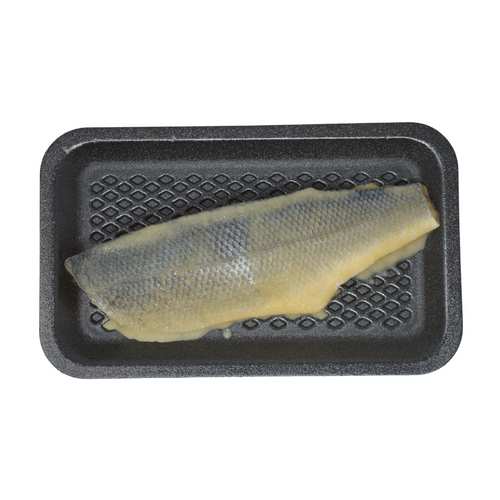
Miso-Marinated Sea Bass 80g
Tender sea bass marinated in Japanese miso sauce for a deep savoury flavour that pairs naturally with steamed rice.
Pair it with rice, miso soup, nori or a small Japanese-style side dish.
Best for: adding a simple fish main to a weekend Japanese breakfast.
Shop Miso-Marinated Sea BassSmall Side Dishes Without Starting from Scratch
A traditional-looking Japanese breakfast can feel time-consuming because of the number of small dishes on the table. In practice, however, you do not need to cook every side yourself.
A prepared Japanese-style vegetable or seaweed side can sit alongside rice, soup and fish and make a simple breakfast feel more complete.
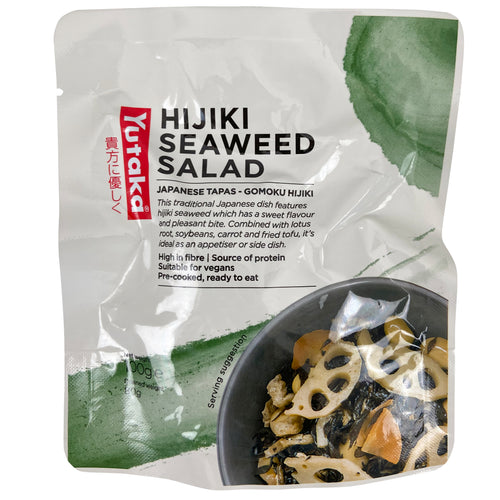
Yutaka Hijiki Seaweed Salad 100g
A Japanese-style side dish combining hijiki seaweed with lotus root, soybeans, carrot and fried tofu.
Serve a small portion alongside rice, miso soup and fish to add another flavour and texture to the breakfast table.
Best for: adding an easy Japanese-style small side.
Shop Hijiki Seaweed Salad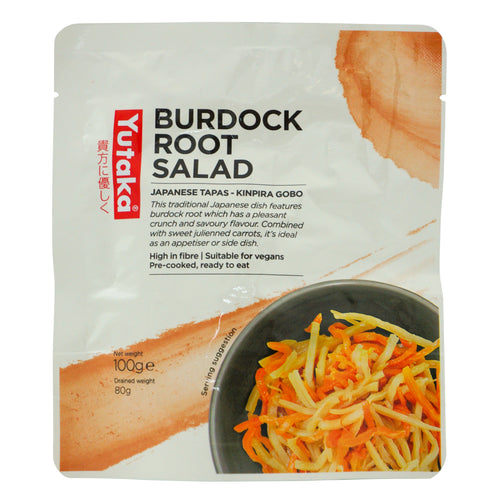
Yutaka Burdock Root Salad 100g
A Japanese-style side made with burdock root and julienned carrot, with a pleasant crunch and savoury flavour.
Add a small serving beside rice, egg or fish when you want another vegetable dish without preparing one from scratch.
Best for: adding crunch and variety to a Japanese breakfast tray.
Shop Burdock Root SaladWhat About Natto?

Natto is another food strongly associated with Japanese breakfast. It consists of fermented soybeans and is known for its distinctive aroma, sticky texture and savoury flavour.
A simple way to enjoy natto is to stir it well, add the accompanying seasoning, and serve it over warm Japanese rice. Spring onion, nori or other simple toppings can also be added.
For someone discovering Japanese breakfast for the first time, natto may be a more adventurous choice than grilled fish or egg, but it offers another way to experience a familiar part of Japanese morning food culture.
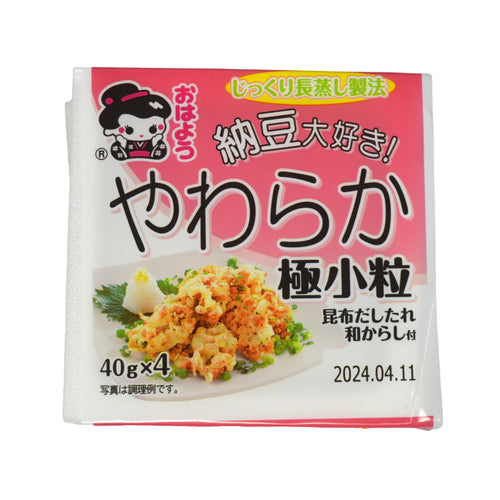
Yamada Fermented Soy Bean - Kotsubu Mini 4 Natto 4x40g
Small-grain Japanese natto with a rich savoury flavour. The smaller soybeans are easy to mix and each box contains four individual portions.
Each portion comes with kombu dashi sauce and Japanese mustard, making it easy to season before serving with warm rice.
Best for: trying a classic natto-and-rice Japanese breakfast at home.
Shop Yamada Kotsubu Natto■ Traditional vs Modern Japanese Breakfast
It is worth separating the image of a traditional Japanese breakfast from what every person in Japan necessarily eats each morning.
| Traditional Japanese Breakfast | Everyday Breakfast Options in Modern Japan |
|---|---|
| Steamed rice | Rice, onigiri or bread |
| Miso soup | Miso soup, other drinks or no soup |
| Grilled fish | Eggs, sandwiches or other quick foods |
| Egg, tofu or natto | Toast, cereal or yoghurt |
| Nori, pickles and small sides | Convenience-store or café breakfast options |
| Several small dishes | A simpler meal suited to the morning routine |
JNTO describes both ends of this spectrum: a carefully prepared traditional breakfast at a ryokan and quick options such as an onigiri from a convenience store or toast and coffee from a café.
The useful takeaway: you can appreciate the structure of a traditional Japanese breakfast without feeling that you need to reproduce the full tray every morning.
■ 5 Easy Japanese Breakfast Ideas to Try at Home

Rather than treating these as strict Japanese breakfast recipes, use them as starting points. Begin with the amount of preparation that suits your morning.
The Simple Start
When you are trying Japanese breakfast for the first time
You do not need grilled fish and several side dishes to begin. Warm Japanese rice, miso soup and nori already give you three familiar parts of a Japanese-style breakfast.
Japanese Rice + Miso Soup + Nori
Add tofu, wakame or spring onion to the soup when you want a little more variety.
Best for: weekday mornings and first-time Japanese breakfast makers.
The Classic
When you want something closer to a traditional Japanese breakfast
Add grilled fish to rice and miso soup and the meal immediately feels closer to the Japanese breakfast you might encounter at a ryokan.
Japanese Rice + Miso Soup + Grilled Fish + Nori or Pickles
A miso-marinated salmon or sea bass portion can make this style of breakfast easier to put together at home.
Best for: a slower morning or weekend breakfast.
The Egg Breakfast
When you want to keep the main simple
Fish is not essential. Tamagoyaki or another egg dish can become the main part of a simple Japanese breakfast.
Japanese Rice + Tamagoyaki + Miso Soup + Nori
A small vegetable side can add an extra flavour and texture without requiring another cooked main dish.
Best for: a simple breakfast that still feels a little special.
The Quick Morning
When there is very little time
Onigiri is a practical alternative when sitting down to a bowl of rice does not fit the morning.
Onigiri + Miso Soup
Fill the onigiri with salmon, use furikake, or simply season the rice. Pair it with instant miso soup when you need to keep preparation particularly simple.
Best for: busy weekday mornings.
The Weekend Japanese Breakfast
When you want to enjoy the fuller experience
When you have more time, combine several smaller elements and enjoy a breakfast inspired by a traditional Japanese set meal.
Japanese Rice + Miso Soup + Fish or Natto + Egg + Small Side + Nori or Pickles
The small side does not need to be complicated. A little hijiki seaweed salad or burdock root salad can add another Japanese flavour and texture to the tray.
Best for: weekend mornings and anyone who wants to recreate more of the Japanese breakfast experience at home.
■ How to Build Your Own Japanese Breakfast
If you are not sure where to begin, work through these five steps.
Your Breakfast, Your Way
You do not need all five steps every morning.
On a weekday, Rice + Miso Soup + Nori may be enough. On a weekend, you might add fish, egg and a small side.
■ Can a Japanese Breakfast Be Meat-Free?
Yes. A Japanese-style breakfast can easily be built without meat or fish.
Try: Japanese Rice + Miso Soup + Tofu or Natto + Nori + Vegetable or Seaweed Side
Natto can also work particularly naturally in a meat-free Japanese breakfast because it can be served simply with warm rice and a few seasonings.
One point to check is the dashi used in miso soup. Some Japanese dashi and instant miso soups contain fish ingredients such as bonito, so check the individual product label when preparing a vegetarian meal.
■ What Do You Need to Start a Japanese Breakfast at Home?

You do not need to fill the cupboard with dozens of ingredients.
For your first Japanese breakfast, start with three basics:
Japanese Rice + Miso Soup + Nori
Then add fish, egg, tofu, natto, pickles or small side dishes as you become more familiar with the format.
Start Your Japanese Breakfast
Build the meal gradually rather than trying to buy everything at once.
Start with Japanese short-grain rice as the foundation of the meal.
Shop Japanese RiceAn easy option for mornings when making soup from scratch is not practical.
Shop Miso SoupExplore ingredients that can help you put together a Japanese-style breakfast at home.
Explore Japanese BreakfastLearn More About the Ingredients
Not sure which Japanese rice to choose? Read our guide to Japanese rice .
Want to make miso soup from scratch? Try our easy miso soup recipe .
If you are adding wakame to your miso soup, discover how to prepare dried wakame .
■ Japanese Breakfast Does Not Have to Be Complicated
A beautifully arranged ryokan breakfast can make Japanese breakfast look like something that requires a long morning in the kitchen.
But there is no need to reproduce the entire tray every day.
Traditional Japanese breakfast gives us a useful starting structure:
Rice + Soup + Main + Small Side + Simple Extras
Then you can simplify it to match your own morning.
Monday: Rice + Miso Soup + Nori
Busy Morning: Onigiri + Instant Miso Soup
Natto Morning: Rice + Natto + Miso Soup + Nori
Weekend: Rice + Miso Soup + Miso-Marinated Fish + Egg + Hijiki or Burdock Root Salad
Japanese breakfast is not about making every component perfectly. It is about discovering a different way to put familiar ingredients together.
Start simple, then make it your own.
■ Frequently Asked Questions
What is a Japanese breakfast?
There is no single Japanese breakfast menu, but a traditional Japanese-style breakfast commonly includes steamed rice and miso soup accompanied by foods such as grilled fish, egg, tofu, natto, vegetables, seaweed and pickles.
What do Japanese people eat for breakfast?
Breakfast in Japan varies widely. Some people enjoy a traditional rice-based breakfast, while others may eat onigiri, toast, sandwiches, cereal or other quick foods depending on their routine.
What is in a typical Japanese breakfast?
A traditional example may include steamed Japanese rice, miso soup, grilled fish, an egg dish, nori, pickles, tofu, natto, vegetables or other small side dishes.
Do Japanese people eat rice for breakfast?
Yes. Steamed rice is a traditional part of Japanese breakfast and is often served with miso soup and small dishes. However, modern breakfasts in Japan also include bread and many other options.
Is miso soup eaten for breakfast in Japan?
Yes. Miso soup is a familiar part of a traditional Japanese breakfast and is commonly paired with steamed rice. The ingredients in the soup can vary.
What is an easy Japanese breakfast?
A simple combination of Japanese rice, miso soup and nori is an easy place to begin. For an even quicker morning, try onigiri with miso soup.
Is natto eaten for breakfast in Japan?
Natto is a familiar Japanese breakfast food and is often served with warm rice. It may be mixed with seasoning and topped with ingredients such as spring onion or nori.
Do I need grilled fish for a Japanese breakfast?
No. Grilled fish is a familiar traditional breakfast main, but it is not essential. Egg, tofu, natto or a simpler combination of rice, soup and small side dishes can also work.
Can a Japanese breakfast be vegetarian?
Yes. You can combine rice, tofu, natto, nori, vegetables, seaweed and suitable side dishes. Check the ingredients in miso soup and dashi, as some products contain fish ingredients such as bonito.
Do Japanese people eat onigiri for breakfast?
Onigiri can be a convenient breakfast option in Japan, particularly when a quick meal is needed. It can also be paired with miso soup for a simple breakfast at home.
Do Japanese people eat toast for breakfast?
Yes. Modern breakfast in Japan is not limited to traditional Japanese food. Toast, sandwiches, coffee and café-style morning sets are also familiar choices.
■ Sources
-
Japan National Tourism Organization — Starting Your Day in Japan: Breakfast Options to Fit Your Travel Plans
An overview of traditional ryokan breakfasts and modern breakfast choices in Japan, including rice and miso soup, fish, onigiri, convenience-store options and café breakfasts.
Read the JNTO Breakfast Guide -
Ministry of Agriculture, Forestry and Fisheries — The Washoku Way
Official information from Japan's Ministry of Agriculture, Forestry and Fisheries explaining washoku and the traditional ichiju sansai meal structure centred around cooked rice.
View MAFF's Washoku Guide