Welcome the New Year with Toshikoshi Soba, a traditional Japanese noodle dish enjoyed on New Year's Eve. Made with Yutaka Soba Noodles, these comforting buckwheat noodles are served in a light, savoury bonito dashi broth seasoned with soy sauce and mirin, then topped with spring onions, wakame seaweed and shredded nori.
In Japan, eating Toshikoshi Soba on 31 December symbolises wishes for a long and healthy life, while the noodles are also associated with leaving behind the hardships of the past year. Ready in just 20 minutes, this easy Japanese New Year's Eve recipe is a delicious way to welcome a fresh start at home.
材料
Soba Noodles
Dashi Broth
- 600mlWater
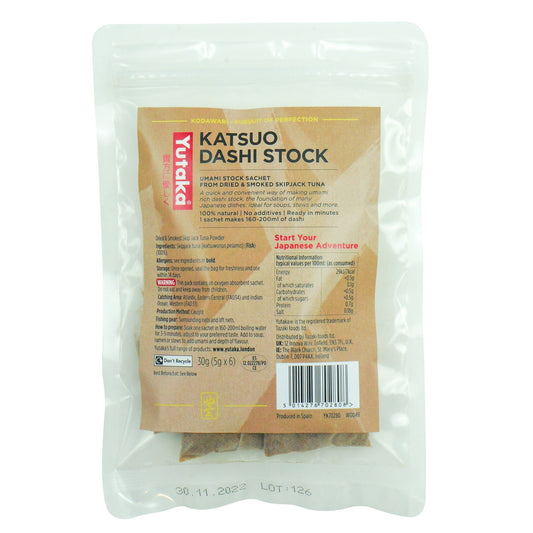
- 3 sachetsYutaka Katsuo Dashi Stock
Dashi Stock
Toppings
- 2 (approximately 30g)Spring onions, finely sliced
- 2gYutaka Dried Wakame Seaweed
- 1/2 sheetYutaka Sushi Nori Roasted Seaweed, cut into thin strips
調理手順
1. Prepare the toppings
Place the dried wakame seaweed in a small bowl of hot water and soak for approximately 3 minutes, until softened and expanded.
Drain well and gently squeeze out any excess water. Finely slice the spring onions and cut the nori into thin strips. Set aside until ready to serve.
2. Make the dashi broth
Bring 600ml of water to the boil in a medium saucepan.
Add the three Yutaka Katsuo Dashi sachets and simmer gently for 3–5 minutes to extract the flavour.
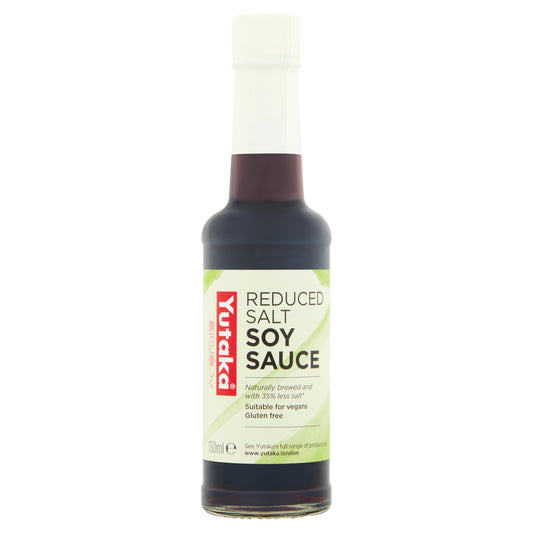
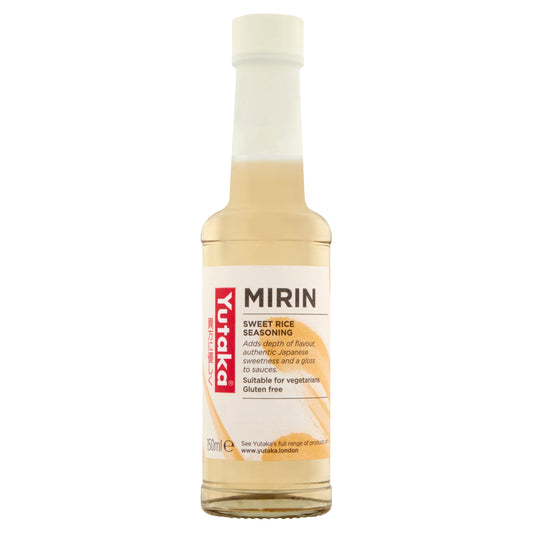
Remove the sachets, then add the soy sauce and mirin. Stir well and simmer gently for another 2 minutes. Keep the broth hot over a low heat.
3. Cook the soba noodles
Meanwhile, bring a large saucepan of water to the boil.
Add the Yutaka Soba Noodles and cook according to the packet instructions until tender but still slightly firm.
Drain the noodles in a colander and rinse thoroughly under cold running water, gently separating them to remove excess starch.
4. Reheat the noodles
Briefly dip the rinsed soba noodles into fresh, just-boiled water for 10–15 seconds to warm them through.
Drain thoroughly to prevent excess water from diluting the broth.
5. Assemble the Toshikoshi Soba
Divide the warm soba noodles evenly between two serving bowls.
Pour the hot dashi broth over the noodles, dividing it equally between the bowls.
Add the rehydrated wakame, sliced spring onions and shredded nori.
6. Serve immediately
Serve the Toshikoshi Soba while the broth is hot and the noodles are tender.
Enjoy this comforting Japanese New Year's Eve tradition as you prepare to welcome the year ahead.
ポイント
Soba noodles release starch during cooking, which can make them sticky and cause the broth to become cloudy. Rinse the cooked noodles under cold running water, gently separating them to remove excess starch and improve their texture.
2. Keep the noodles and broth separate until serving
Cook the noodles in plain water rather than directly in the dashi broth. This prevents excess starch from thickening the soup and helps maintain a clear, delicate flavour.
3. Avoid overcooking the soba
Soba noodles can become soft and break apart if cooked for too long. Follow the packet instructions and check the texture towards the end of cooking. The noodles should be tender but still hold their shape.
4. Balance the broth to your taste
The combination of bonito dashi, soy sauce and mirin creates a savoury broth with a gentle sweetness. Taste before serving and adjust with a little extra soy sauce for a stronger flavour or a splash of hot water for a lighter soup.
5. Add your favourite Japanese toppings
For a more substantial meal, try adding prawn tempura, sautéed shiitake mushrooms or a boiled egg. These toppings complement the dashi broth and add variety, although they are not included in the basic recipe or calorie estimate.
6. Warm the noodles just before serving
Rinsing the noodles in cold water helps remove starch but also cools them down. Briefly warming them in fresh hot water before assembling the dish keeps the finished soup pleasantly hot without overcooking the noodles.
7. Serve fresh for the best texture
Toshikoshi Soba is best enjoyed immediately after preparation. Leaving the noodles in hot broth for too long can cause them to absorb excess liquid and become overly soft. Prepare the toppings ahead of time and assemble the bowls just before eating.
FAQ
Q.What is Toshikoshi Soba, and why is it eaten on New Year's Eve?
A.Toshikoshi Soba is a traditional Japanese noodle dish eaten on 31 December to welcome the coming New Year. The name means "year-crossing soba". The long noodles symbolise wishes for longevity and good health, while their tendency to break relatively easily is associated with leaving behind difficulties and misfortunes from the past year. It is one of Japan's most familiar New Year's Eve food traditions
Q.When should you eat Toshikoshi Soba?
A.Toshikoshi Soba is traditionally eaten on New Year's Eve, 31 December, before midnight. Many Japanese families enjoy it for dinner or as a light meal later in the evening. Although customs vary between households, it is generally eaten before the New Year begins, symbolising a fresh start.
Q.Can I make Toshikoshi Soba vegetarian or vegan?
A.Yes. Traditional Toshikoshi Soba often uses bonito dashi, which contains fish. To make a vegetarian or vegan version, replace the bonito dashi with a stock made from kombu (kelp) and dried shiitake mushrooms. Keep the spring onion, wakame and nori toppings, and check that the remaining seasonings meet your dietary requirements. The original recipe is not vegetarian or vegan because it contains bonito dashi.
Q.Are soba noodles gluten-free?
A.Not always. Although buckwheat is naturally gluten-free, many Japanese soba noodles also contain wheat flour. Yutaka Soba Noodles contain wheat and are not suitable for a gluten-free diet. For a gluten-free variation, choose certified gluten-free soba noodles and check the labels of all seasonings and toppings.
Q.Can I prepare Toshikoshi Soba in advance?
A.The dashi broth can be prepared in advance, cooled promptly and stored in a covered container in the fridge for up to 24 hours. Reheat it thoroughly before serving. For the best texture, cook the soba noodles fresh, rinse them well and assemble the bowls immediately before eating.