Discover how to make authentic Japanese Gyudon (Beef Bowl) at home with tender slices of beef, sweet onions and fluffy Japanese rice.
This comforting Japanese rice bowl features thinly sliced beef and onions gently simmered in a rich, savoury-sweet sauce made with soy sauce, mirin, cooking sake and dashi stock. The flavourful beef is served over freshly cooked Japanese short-grain rice, creating a delicious and satisfying meal.
Perfect for lunch or a comforting weeknight dinner, this easy Gyudon recipe brings the flavours of a classic Japanese beef bowl to your kitchen using just a handful of simple ingredients.
材料
For the Rice
- 180gToyama Koshihikari Japanese Rice, uncooked
- 220mlcold water, for cooking
For the Beef and Onions -
- 250gYAWARAKA Grain Fed Beef Chuck Eye 2.0mm Slices, fully defrosted
- 1medium onion (approximately 120g), thinly sliced
For the Gyudon Sauce
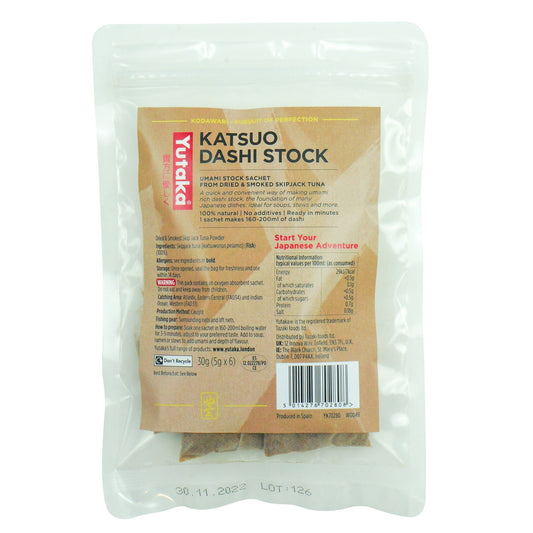
- 150mlprepared dashi stock, made from Yutaka Katsuo Dashi Stock
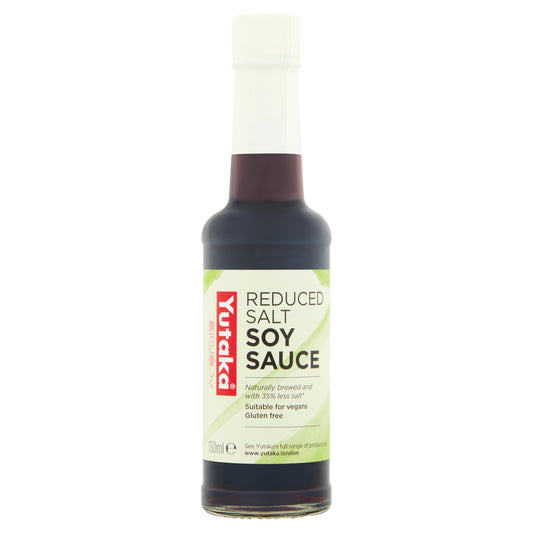
- 25mlYutaka Reduced Salt Soy Sauce
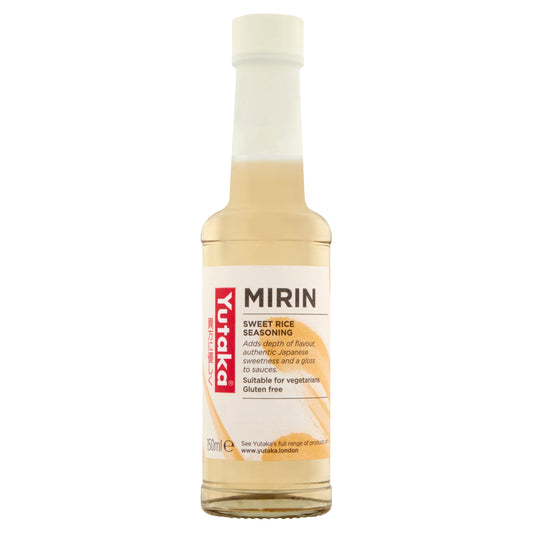
- 20mlYutaka Mirin Sweet Rice Seasoning
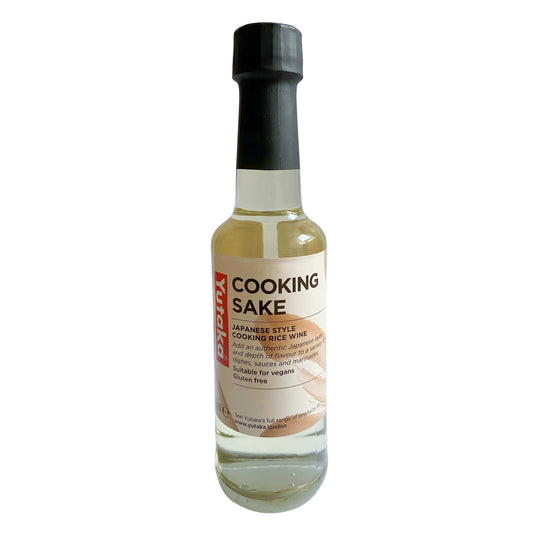
- 20mlYutaka Cooking Sake
- caster sugar (approximately 4g)1 tsp
For Garnish (Optional)
- 1spring onion, finely sliced
- 20gbeni shoga (Japanese red pickled ginger)
調理手順
1, Wash and soak the rice
Place the Japanese short-grain rice in a bowl and rinse gently with cold water. Drain and repeat 3–4 times until the water becomes much clearer.
Transfer the washed rice to a saucepan and add 220ml of fresh cold water.
Leave to soak for 20 minutes.
2, Cook the rice
Cover the saucepan with a tight-fitting lid and bring to the boil over a medium heat.
Once boiling, reduce the heat to low and simmer gently for approximately 12 minutes, or until the water has been absorbed.
Turn off the heat and leave the rice covered for another 10 minutes to finish steaming.
Gently fluff the rice with a rice paddle or spoon. Keep covered and warm until ready to serve.
3, Prepare the dashi stock
While the rice is soaking, prepare the dashi according to the packet instructions.
For Yutaka Katsuo Dashi Stock, steep one 5g sachet in 180ml of boiling water for 3–5 minutes, then remove the sachet.
Measure out 150ml of the prepared stock for the Gyudon sauce.
4, Prepare the beef and onions
Peel the onion, cut it in half and slice thinly.
Separate the fully defrosted beef slices gently so they cook evenly. If the slices are particularly long, cut them into shorter, bite-sized pieces.
Finely slice the spring onion and prepare the pickled ginger if using.
5, Prepare the Gyudon sauce
In a medium frying pan or shallow saucepan, combine the prepared dashi stock, soy sauce, mirin, cooking sake and caster sugar.
Stir gently to dissolve the sugar, then bring the mixture to a gentle simmer over a medium heat.
6, Cook the onions
Add the sliced onion to the simmering sauce.
Cook gently for approximately 7–8 minutes, stirring occasionally, until the onion becomes soft and translucent.
7, Add the beef
Add the thinly sliced beef to the pan, separating the pieces gently with chopsticks or a spoon.
Simmer for approximately 4–6 minutes, or until the beef is fully cooked and no pink remains.
Skim off any foam that rises to the surface, if necessary.
Avoid boiling vigorously or cooking the beef for too long, as thinly sliced beef can become tough.
8, Assemble the Gyudon
Divide the freshly cooked rice evenly between two serving bowls.
Spoon the beef and onion mixture over the rice, distributing it evenly between the bowls.
Drizzle a little of the remaining cooking sauce over each bowl to add extra flavour.
9, Garnish and serve
Garnish each bowl with finely sliced spring onion and approximately 10g of beni shoga, if using.
Serve immediately while the beef and rice are warm.
Enjoy as a comforting Japanese lunch or dinner, accompanied by miso soup or Japanese pickles if desired.
ポイント
Thinly sliced beef is essential for achieving the tender texture of Japanese Gyudon. YAWARAKA Grain Fed Beef Chuck Eye 2.0mm Slices is particularly suitable, as the thin slices cook quickly and absorb the savoury-sweet sauce.
If you cannot find pre-sliced beef, partially firm up a boneless beef steak in the freezer before slicing it very thinly across the grain.
2. Choose Japanese short-grain rice
Japanese short-grain rice has a soft, slightly sticky texture that works perfectly with Gyudon. Koshihikari rice is an excellent choice because of its natural sweetness and tender texture.
3. Keep the beef tender
Avoid simmering thinly sliced beef for too long. Add the beef only after the onions have softened and cook gently until fully cooked. Vigorous boiling can cause the meat to become tough.
4. Adjust the sweetness to your taste
Gyudon has a characteristic balance of savoury and sweet flavours. For a slightly sweeter sauce, add an extra ½ tsp of caster sugar. If you prefer a less sweet version, omit the additional sugar and rely on the sweetness of the mirin seasoning.
5. Add extra sauce for Tsuyudaku Gyudon
In Japan, Gyudon served with extra sauce is known as Tsuyudaku. If you enjoy a juicier rice bowl, spoon a little more of the cooking liquid over the rice before serving.
6. Try a soft-boiled egg
For a richer variation, top each bowl with a soft-boiled egg. The creamy yolk pairs beautifully with the savoury beef and onions. Use appropriately handled eggs and follow food safety guidance, particularly when serving vulnerable people.
7. Complete your Japanese meal
Serve Gyudon with miso soup, edamame or Japanese pickled vegetables. Beni shoga (red pickled ginger) provides a refreshing contrast to the rich beef sauce.
8. Plan the cooking for the best results
Prepare the dashi, onions and garnishes while the rice is soaking. Cook the beef and onions while the rice is cooking and resting. This allows the meal to be ready in approximately 50 minutes, rather than cooking everything one step at a time.
FAQ
Q.What is Gyudon?
A.Gyudon is a traditional Japanese rice bowl made with thinly sliced beef and onions simmered in a savoury-sweet sauce. The beef mixture is served over steamed Japanese rice. Gyudon is a popular comfort food in Japan and is commonly enjoyed as a quick lunch or dinner.
Q.What does Gyudon mean in Japanese?
A.The word Gyudon (牛丼) combines gyu, meaning beef, and don, short for donburi, meaning rice bowl. It literally means 'beef rice bowl'.
Q.What cut of beef is best for Gyudon?
A.Thinly sliced chuck eye, ribeye or another tender cut with some marbling works particularly well. The thin slices absorb the sauce quickly and remain tender when gently simmered.
Q.Can I make Gyudon without cooking sake?
A.Yes. You can replace the 20ml of cooking sake with 20ml of water or additional dashi stock. The flavour will be slightly less complex, but the dish will still be delicious.
Q.What is the difference between Gyudon and Sukiyaki?
A.Both dishes commonly use thinly sliced beef and savoury-sweet seasonings. Gyudon is a rice bowl topped with simmered beef and onions, while Sukiyaki is a Japanese hot pot that typically includes vegetables, tofu and other ingredients cooked together.
Q.Can I use regular soy sauce instead of reduced-salt soy sauce?
A.Yes. However, regular soy sauce may have a higher salt content. Start with a smaller quantity, taste the sauce and adjust as needed.