Nikujaga is a comforting Japanese home-style dish made with thinly sliced meat, potatoes, onion and vegetables simmered in a sweet and savoury soy-based broth.
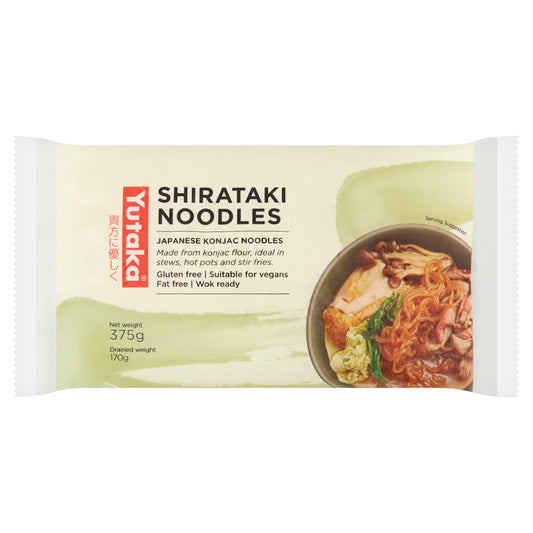
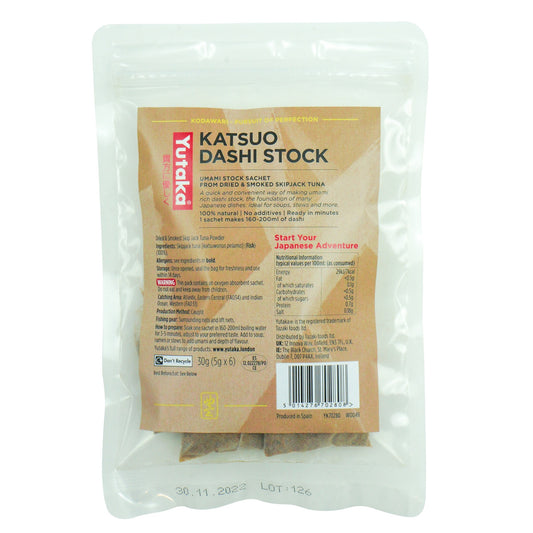
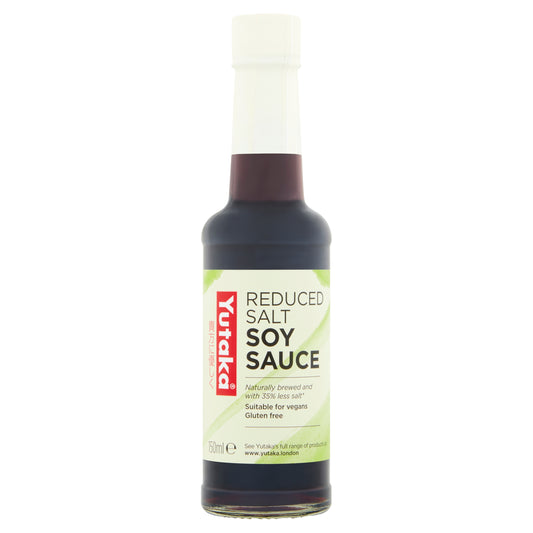
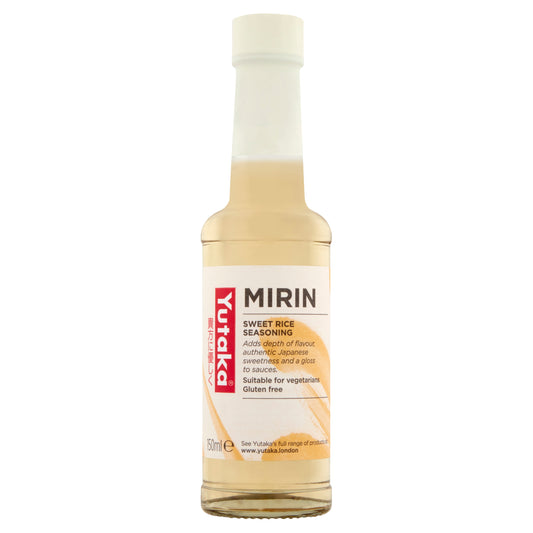
The name comes from niku, meaning meat, and jagaimo, meaning potato. This easy version uses thinly sliced beef together with Yutaka Shirataki Noodles, which soak up the flavour of the simmering broth, plus Yutaka Reduced Salt Soy Sauce, Mirin, Cooking Sake and Katsuo Dashi.
Warm, satisfying and full of familiar ingredients, Nikujaga is an easy introduction to Japanese home cooking and particularly comforting during the colder months.
材料
Nikujaga
- 350gThinly sliced beef
- 600gPotatoes
- Approximately 200gLarge onion
- Approximately 120gMedium carrot
- 1 packYutaka Shirataki Noodles
- 1 tbspNeutral cooking oil
Simmering Broth
To Serve
- Finely sliced spring onion, optional
調理手順
1. Prepare the Dashi
Prepare 400ml Yutaka Katsuo Dashi according to the pack instructions.
The Yutaka Katsuo Dashi sachets are made from skipjack tuna and are designed for soups, stews and hot-pot dishes. One sachet is recommended for approximately 160–200ml water, so use two sachets for this recipe.
Set the prepared dashi aside.
2. Prepare the Shirataki
Drain the Yutaka Shirataki Noodles and rinse thoroughly under cold running water.
Bring a small saucepan of water to the boil and blanch the noodles for approximately 1 minute.
Drain well.
Use clean kitchen scissors to cut the noodles into shorter, easy-to-eat lengths if needed.
Yutaka specifically lists Nikujaga among the suggested Japanese uses for its Shirataki Noodles.
3. Prepare the Vegetables
Peel the potatoes and cut them into pieces approximately 4–5cm wide.
Peel the carrot and cut it into chunky pieces approximately 2–3cm wide.
Peel the onion, cut it in half and slice each half into thick wedges.
Try to keep the vegetables relatively large so that they hold their shape during simmering.
4. Brown the Beef
Heat 1 tbsp neutral oil in a large saucepan or casserole over a medium-high heat.
Add the thinly sliced beef and cook for approximately 1–2 minutes, gently separating the slices as they cook.
The beef does not need to be completely cooked at this stage.
5. Add the Vegetables
Add the potatoes, carrot and onion.
Cook with the beef for approximately 2–3 minutes, gently turning the ingredients so that they are lightly coated in the oil and beef juices.
Take care not to break up the potatoes.
6. Add the Dashi and Shirataki
Pour in the prepared 400ml Katsuo Dashi.
Add the drained shirataki noodles.
Bring everything to a gentle boil.
If any foam rises to the surface, skim it away with a spoon.
7. Add the Seasonings
Add:
- 60ml Yutaka Reduced Salt Soy Sauce
- 45ml Yutaka Mirin
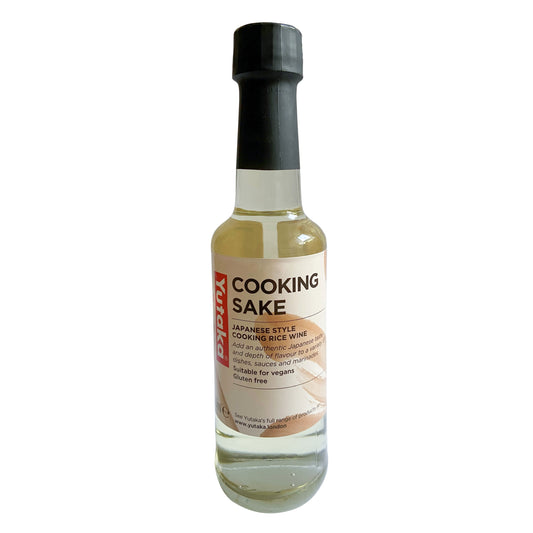
- 45ml Yutaka Cooking Sake
- 25g sugar
Stir gently until the sugar dissolves.
Yutaka Mirin and Cooking Sake are both recommended by Yutaka for simmered dishes, making them particularly suitable for Nikujaga.
8. Simmer the Nikujaga
Reduce the heat to low-medium.
Place a lid slightly ajar, or use a Japanese-style drop lid if you have one.
Simmer gently for approximately 20–25 minutes.
Turn the ingredients carefully once or twice during cooking so that everything absorbs the broth evenly.
The Nikujaga is ready when:
- the potatoes are tender
- the carrot is cooked through
- the onion is soft
- the cooking liquid has reduced
- the shirataki has absorbed the savoury-sweet flavour
Avoid stirring too frequently, as this can cause the potatoes to break apart.
9. Rest Before Serving
Turn off the heat and leave the Nikujaga to rest in the saucepan for approximately 5–10 minutes.
This short resting period allows the vegetables and shirataki to absorb more of the cooking liquid.
Serve warm in individual bowls.
Garnish with sliced spring onion if desired.
ポイント
Choose potatoes that hold their shape reasonably well when simmered. Very floury potatoes can break apart before the other ingredients are ready.
2. Cut the Vegetables into Large Pieces
Nikujaga cooks for around 20–25 minutes, so larger pieces of potato and carrot are less likely to fall apart.
3. Prepare the Shirataki First
Rinsing and briefly blanching shirataki removes excess packing liquid. Cutting the noodles into shorter lengths also makes the finished dish easier to serve.
4. Do Not Overcook the Beef
Thinly sliced beef cooks quickly. Briefly browning it before simmering adds flavour without needing a long frying time.
5. Simmer Gently
Nikujaga is a simmered dish rather than a vigorously boiled stew. Gentle cooking helps the potatoes keep their shape while absorbing the seasoning.
6. Let It Rest
Nikujaga often tastes even better after sitting in the cooking liquid for a short time. If making it ahead, allow it to cool safely, refrigerate and gently reheat before serving.
7. Adjust the Sweetness to Your Taste
Japanese Nikujaga has a noticeable sweet-and-savoury balance. If you prefer a less sweet version, reduce the sugar slightly rather than removing the mirin.
FAQ
Q.What is Nikujaga?
A.Nikujaga is a Japanese home-style simmered dish made with meat, potatoes, onion and other vegetables in a sweet and savoury soy-based broth. The name combines niku, meaning meat, and jagaimo, meaning potato.
Q.Is Nikujaga a stew?
A.It can be described as a Japanese meat and potato stew, although the cooking liquid is usually lighter and more seasoned than a thick Western-style stew. The ingredients are gently simmered until tender and flavourful.
Q.What meat is used for Nikujaga?
A.Both beef and pork are used in Japan, with preferences varying by household and region. This recipe uses thinly sliced beef because it cooks quickly and works especially well with the sweet soy-based broth.
Q.Can I use Shirataki Noodles in Nikujaga?
A.Yes. Shirataki is well suited to Nikujaga because the noodles absorb the flavour of the simmering broth. Yutaka specifically lists Nikujaga as one of the suggested uses for its Shirataki Noodles.
Q.What does Nikujaga taste like?
A.Nikujaga has a gentle sweet-and-savoury flavour from dashi, soy sauce, mirin, sake and sugar. The potatoes and onions absorb the broth as they cook.
Q.What potatoes should I use for Nikujaga?
A.Potatoes that hold their shape during simmering work best. In the UK, an all-purpose or waxier variety is usually easier to work with than a very floury potato.