Celebrate the Japanese New Year with Nishime, a traditional simmered vegetable dish commonly enjoyed as part of Osechi Ryori, Japan's festive New Year feast. This comforting dish combines lotus root, taro, shiitake mushrooms, carrots, bamboo shoots and konnyaku, gently simmered in a savoury-sweet Japanese broth.
Each vegetable brings its own flavour and texture, while ingredients such as lotus root and taro are traditionally associated with wishes for good fortune and family prosperity. The vegetables are slowly cooked with kombu and shiitake dashi, soy sauce and mirin until tender and beautifully seasoned.
Made with Yutaka Japanese ingredients, this vegetarian Nishime recipe is a wonderful way to experience traditional Japanese New Year food at home. Serve it as part of an Osechi celebration or enjoy it as a comforting side dish throughout the year.
材料
For the Simmered Vegetables
- 180gYutaka Renkon Sliced Lotus Root, frozen
- 160gYutaka Satoimo Taro Root, frozen and pre-boiled
- 15gYutaka Dried Winter Shiitake Mushrooms
- 120gCarrot, peeled
- 120gYutaka Bamboo Shoots Whole, drained
- 100gNishiki Ita Konnyaku – Brown Konjac Block, drained
- 80gGreen beans, trimmed
For the Kombu and Shiitake Dashi
- 8gYutaka Dashi Kombu – Japanese Dried Kelp
- 450mlWater, divided (250ml for kombu and 200ml for shiitake), plus extra if needed
For the Seasoning
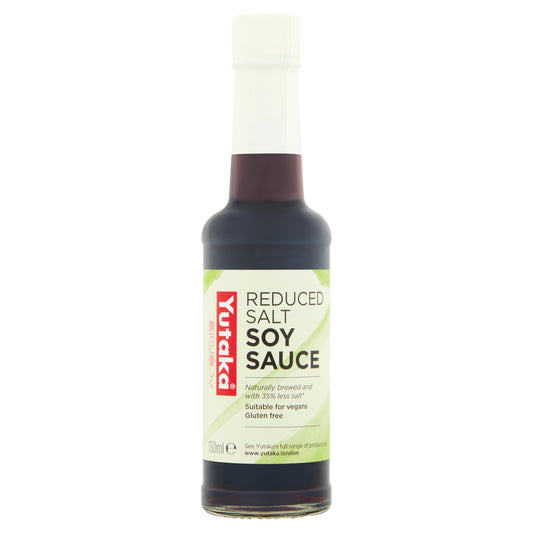
- 2 tbspYutaka Reduced Salt Soy Sauce
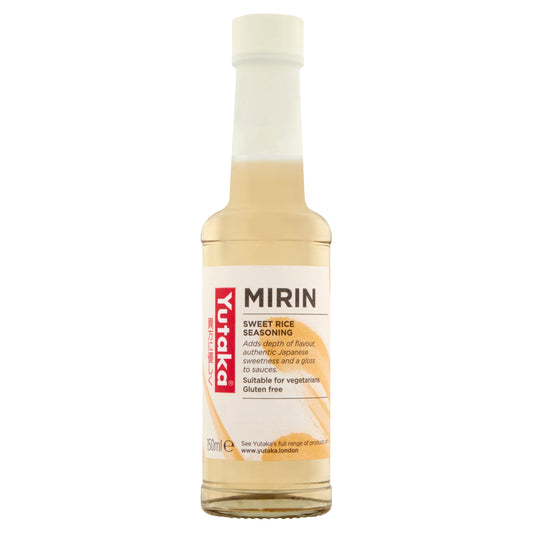
- 2 tbspYutaka Mirin Seasoning
- 2 tspCaster sugar
調理手順
1. Prepare the kombu and shiitake dashi
Place the dried shiitake mushrooms in a bowl with 200ml of lukewarm water. Leave to soak for approximately 30 minutes, or until fully softened.
In a separate bowl, soak the Yutaka Dashi Kombu in 250ml of cold water for 30 minutes.
Once the shiitake mushrooms have softened, gently squeeze out the excess liquid, reserving the soaking water. Remove the tough stems and cut the mushroom caps into halves or quarters.
2. Prepare the vegetables
While the mushrooms and kombu are soaking, prepare the remaining vegetables.
Peel the carrot and cut it into approximately 8mm-thick slices. For a decorative New Year presentation, use a small flower-shaped cutter to create carrot flowers.
Rinse and drain the bamboo shoots, then cut into bite-sized pieces.
Rinse the konnyaku and cut into small rectangles. Blanch in boiling water for approximately 2 minutes, then drain to reduce its characteristic aroma.
Trim the green beans and cut them into approximately 3cm lengths.
Keep the frozen lotus root slices and pre-boiled taro ready to add directly to the saucepan.
3. Finish the dashi stock
Transfer the kombu and its soaking water to a saucepan. Heat gently for approximately 5 minutes, removing the kombu just before the water begins to boil.
Strain the reserved shiitake soaking liquid through a fine sieve to remove any sediment.
Combine the kombu and shiitake liquids, then add enough fresh water to make 400ml of dashi stock.
Set the stock aside. The softened shiitake mushrooms will be added to the vegetables.
4. Begin simmering the vegetables
Place the frozen lotus root, sliced carrot, bamboo shoots, konnyaku and rehydrated shiitake mushrooms into a wide, medium-sized saucepan.
Pour in the 400ml of prepared dashi stock.
Add the Yutaka Reduced Salt Soy Sauce, Yutaka Mirin Seasoning and caster sugar. Stir gently until the sugar dissolves.
Bring to a gentle simmer over a medium heat.
Partially cover the saucepan and cook for approximately 15 minutes, allowing the vegetables to absorb the flavours.
5. Add the taro and green beans
Add the frozen Yutaka Satoimo Taro Root to the saucepan.
Continue simmering uncovered for approximately 12 minutes, gently turning the vegetables occasionally to coat them in the broth.
Add the green beans and simmer for another 3–4 minutes, until just tender.
Continue cooking uncovered for approximately 5–8 minutes if needed, until the cooking liquid has reduced to just a few tablespoons and the vegetables are tender.
If the liquid evaporates before the vegetables are cooked, add a small splash of water.
Avoid stirring too vigorously, as the taro can become soft and break apart.
6. Allow the flavours to develop
Remove the saucepan from the heat.
Leave the Nishime to rest for approximately 10 minutes, allowing the vegetables to absorb the remaining seasoning.
The finished vegetables should be tender, lightly glossy and coated in a savoury-sweet glaze rather than sitting in a large amount of broth.
7. Arrange and serve
Carefully transfer the simmered vegetables to a serving dish.
Arrange the lotus root, taro, shiitake mushrooms, carrot, bamboo shoots and konnyaku attractively, finishing with the green beans for a touch of colour.
Serve warm or cooled as part of a traditional Japanese New Year meal.
Enjoy this comforting Japanese vegetable dish alongside other Osechi Ryori favourites.
ポイント
Lotus root and taro are popular ingredients in Japanese New Year cooking. Lotus root has a distinctive appearance with holes that are associated with looking towards a clear and promising future. Taro is traditionally connected with wishes for family prosperity. Using these ingredients adds both flavour and cultural significance to Nishime.
2. Use Yutaka frozen vegetables for convenience
Yutaka Renkon Sliced Lotus Root and Yutaka Satoimo Taro Root make preparing Japanese simmered vegetables easier. The lotus root is already sliced, while the taro is peeled and pre-boiled. Both can be added directly from frozen, saving preparation time.
3. Soak dried shiitake properly
Dried shiitake mushrooms develop a rich, savoury flavour when rehydrated. For the best results, soak them slowly in cold water in the fridge for several hours or overnight. For a quicker version, soak them in lukewarm water for approximately 30 minutes, until fully softened. Reserve the soaking liquid for the dashi.
4. Avoid boiling the kombu
Kombu is best heated gently and removed before the water reaches a vigorous boil. This helps create a delicate, balanced dashi stock without overpowering the natural flavours of the vegetables.
5. Add the taro later in the cooking process
Yutaka Satoimo Taro Root is already peeled and pre-boiled. Adding it after the firmer vegetables have started cooking helps prevent it from becoming overly soft or breaking apart.
6. Simmer until the liquid has reduced
Unlike a vegetable soup, Nishime is traditionally simmered until most of the cooking liquid has been absorbed or reduced. Use a wide saucepan to encourage gentle evaporation and create a light glaze around the vegetables.
7. Adjust the sweetness and seasoning
The combination of Yutaka Reduced Salt Soy Sauce, mirin and caster sugar creates a balanced savoury-sweet flavour. For a sweeter finish, add a little extra sugar. For a more savoury flavour, add a small amount of soy sauce. Taste towards the end of cooking before making adjustments.
8. Make Nishime ahead of time
Nishime is a convenient make-ahead dish for Japanese New Year celebrations. Its flavour often develops as it rests. Cool promptly after cooking, refrigerate in an airtight container at 5°C or below and enjoy within 2 days. Reheat thoroughly until piping hot if serving warm, and avoid reheating more than once.
FAQ
Q.What is Nishime?
A.Nishime is a traditional Japanese dish made by slowly simmering vegetables and other ingredients in dashi stock seasoned with soy sauce, mirin and sometimes sugar. Common ingredients include lotus root, taro, shiitake mushrooms, carrot, bamboo shoots and konnyaku. It is often served as part of Osechi Ryori during Japanese New Year celebrations, although it can also be enjoyed throughout the year.
Q.Why is Nishime eaten during Japanese New Year?
A.Nishime is a traditional part of Osechi Ryori, the special meal enjoyed during Japanese New Year. Many of its ingredients carry symbolic meanings. Lotus root is associated with a clear future because of its visible holes, while taro represents family prosperity. Simmering the ingredients together is also traditionally associated with family unity and harmony.
Q.What is the difference between Nishime and Chikuzenni?
A.Both Nishime and Chikuzenni are Japanese simmered dishes containing vegetables. Nishime refers broadly to ingredients slowly simmered in seasoned stock, often until most of the liquid has reduced. Chikuzenni, a regional dish originating in Fukuoka Prefecture, typically includes chicken and vegetables that are first sautéed before simmering. However, recipes and cooking methods vary between families and regions.
Q.Can I make Nishime vegetarian or vegan?
A.Yes. Nishime can be made using kombu and shiitake dashi instead of fish-based stock. This recipe uses only plant-derived ingredients, including vegetables, soy sauce, mirin and sugar. Check the latest product labels to ensure they meet your dietary requirements, especially if preparing the dish for someone with food allergies.