

What Is Shochu? A Guide to Japan's Distilled Spirit

Shochu is a Japanese distilled spirit made from ingredients such as rice, barley and sweet potato. Sake, also from Japan, is brewed rather than distilled, while soju, which has a similar name, is a Korean spirit. Shochu is now available in the UK, but how it differs from these drinks, and how to drink it, is still unclear to many people.
This guide covers the basics of shochu, how it differs from soju, how to choose by base ingredient and how to mix it, and where to buy shochu in the UK. Whether you are trying shochu for the first time or want to know how it compares with sake and soju, you will find a bottle and a way of drinking it that suits you.
Table of Contents
■ What Is Shochu?

Shochu is a Japanese distilled spirit made from ingredients such as rice, barley, sweet potato, buckwheat and brown sugar. Because the ingredients are fermented and then distilled to extract the alcohol, shochu belongs with whisky and vodka rather than with sake. In English it is sometimes spelled "sochu", but the correct spelling is shochu.
The key difference from sake is that sake is a brewed drink, complete once it has been pressed, whereas shochu takes the fermented mash one step further and distils it.
A defining feature of shochu is its use of koji. Koji is steamed rice or barley on which a mould has been cultivated, and it converts the starch in the ingredients into sugar for fermentation. Unlike whisky and vodka, which rely on enzymes from malted grain and similar sources, shochu is built on koji, which also shapes its distinctive aroma and flavour.
How Strong Is Shochu?
Shochu alcohol content is typically between 20% and 25% ABV, and 25% is the most common strength. The legal maximum is 45%.
Shochu is usually mixed with water or hot water, however, which brings the strength in the glass down to around 10% to 15%. That puts it roughly on a par with a glass of wine, making it easy to drink with a meal.
Source: Japan Sake and Shochu Makers Association, "Frequently Asked Questions"
Compared with other drinks, shochu is stronger than sake and weaker than vodka. As a guide, beer is 4% to 6%, wine 11% to 14%, sake 15% to 17%, and vodka and whisky around 40%.
A Brief History of Shochu
Shochu is a traditional Japanese spirit with a history of around 500 years. Distillation reached the southern islands, including Ryukyu (present-day Okinawa), through trade with neighbouring countries around the 15th century, and developed in southern Kyushu. At a shrine in northern Kagoshima, carpenters left a piece of graffiti in 1559 that mentions shochu. It is regarded as the oldest known written record of the word in Japan.
Source: Japan Sake and Shochu Makers Association, "The History of Shochu"
Shochu distilleries are still concentrated in Kyushu, and each region has its own signature ingredient: sweet potato in Kagoshima, barley in Oita and on Iki in Nagasaki, and rice in Kuma in Kumamoto.
■ What Is Shochu Made Of?

Shochu is made from a wide range of ingredients, including sweet potato, barley and rice. More than 50 base ingredients are permitted by law, but most shochu on the market uses sweet potato, barley, rice, buckwheat or brown sugar as its main ingredient.
The basic method is the same whatever the ingredient. Koji breaks the starch down into sugar, yeast turns the sugar into alcohol, and the resulting mash is distilled.
For honkaku shochu, the base ingredient is one of the main factors shaping its aroma and flavour, so check it first when choosing a bottle. The typical flavour of each ingredient is shown in the table below.
| Base ingredient | Japanese name | Flavour profile | Best served |
|---|---|---|---|
| Sweet potato | Imo | Sweet and rich, with a strong aroma | With hot water, on the rocks |
| Barley | Mugi | Light and toasty, easy to drink | With cold water, on the rocks, with soda |
| Rice | Kome | Soft and elegant, close to sake | Chilled, with cold water |
| Buckwheat | Soba | Subtle sweetness and a clean finish | On the rocks, with cold water |
| Brown sugar | Kokuto | Light, sweet aroma with a dry finish | On the rocks, with soda |
Source: Japan Sake and Shochu Makers Association, "What is Shochu Made of?"
The flavour profiles and serving suggestions are a general guide for each ingredient. The actual taste varies with the brand and how it is made.
Imo Shochu: Sweet Potato
Imo shochu, or sweet potato shochu, is made from sweet potato and has a rich aroma. With a sweet scent reminiscent of steamed sweet potato and a full, rounded flavour, it is the style in which the character of shochu comes through most clearly.
It is produced mainly in Kagoshima and Miyazaki. Kagoshima is also home to Satsuma Shochu, a sweet potato shochu protected by a geographical indication (GI), which sets requirements for its origin and production.
Source: National Tax Agency, "Geographical Indication 'Satsuma': Production Standards" (in Japanese)
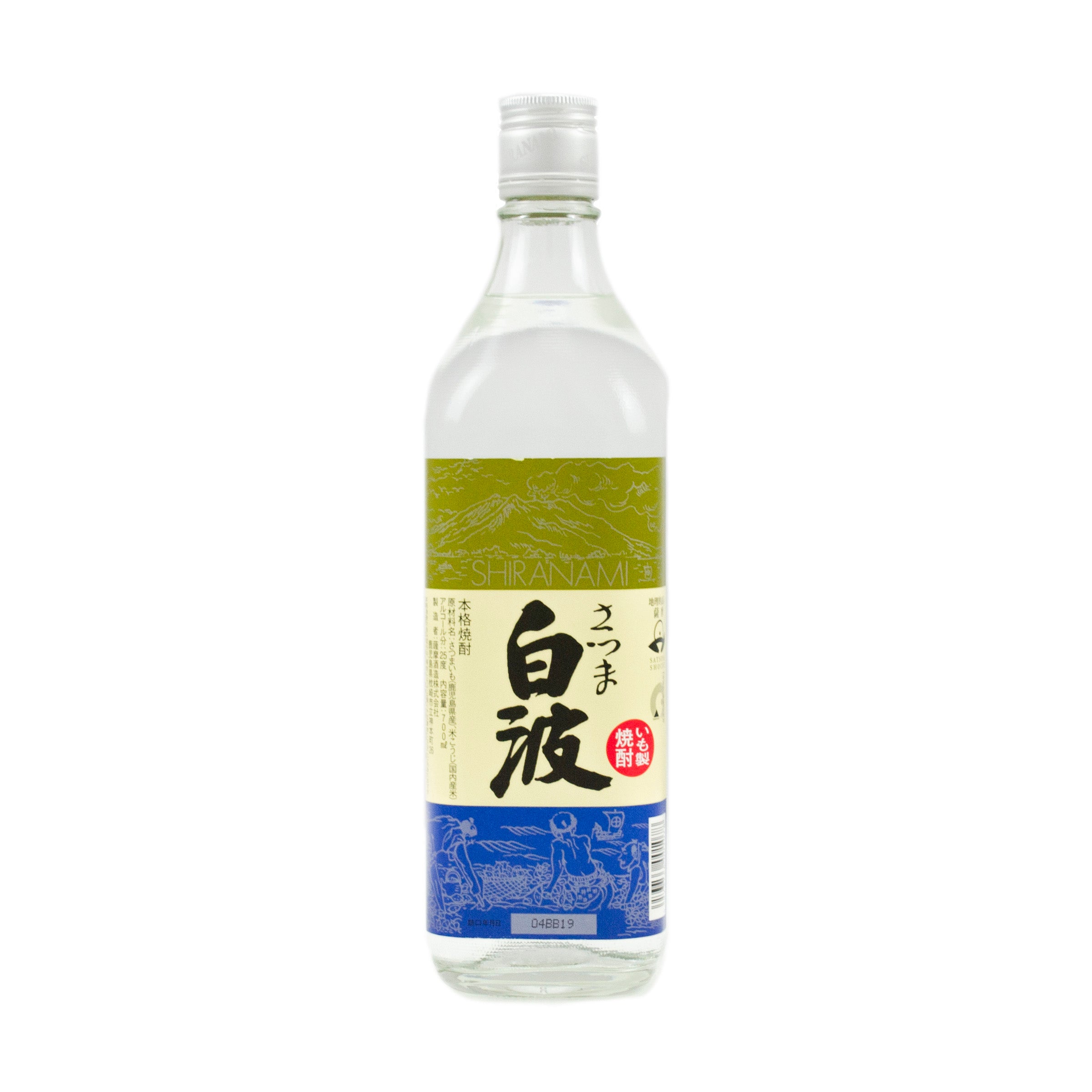
Satsuma Shiranami - Sweet Potato Spirits 700ml 25%
A 25% ABV sweet potato shochu in the rich, rounded style that imo shochu is known for.
View Product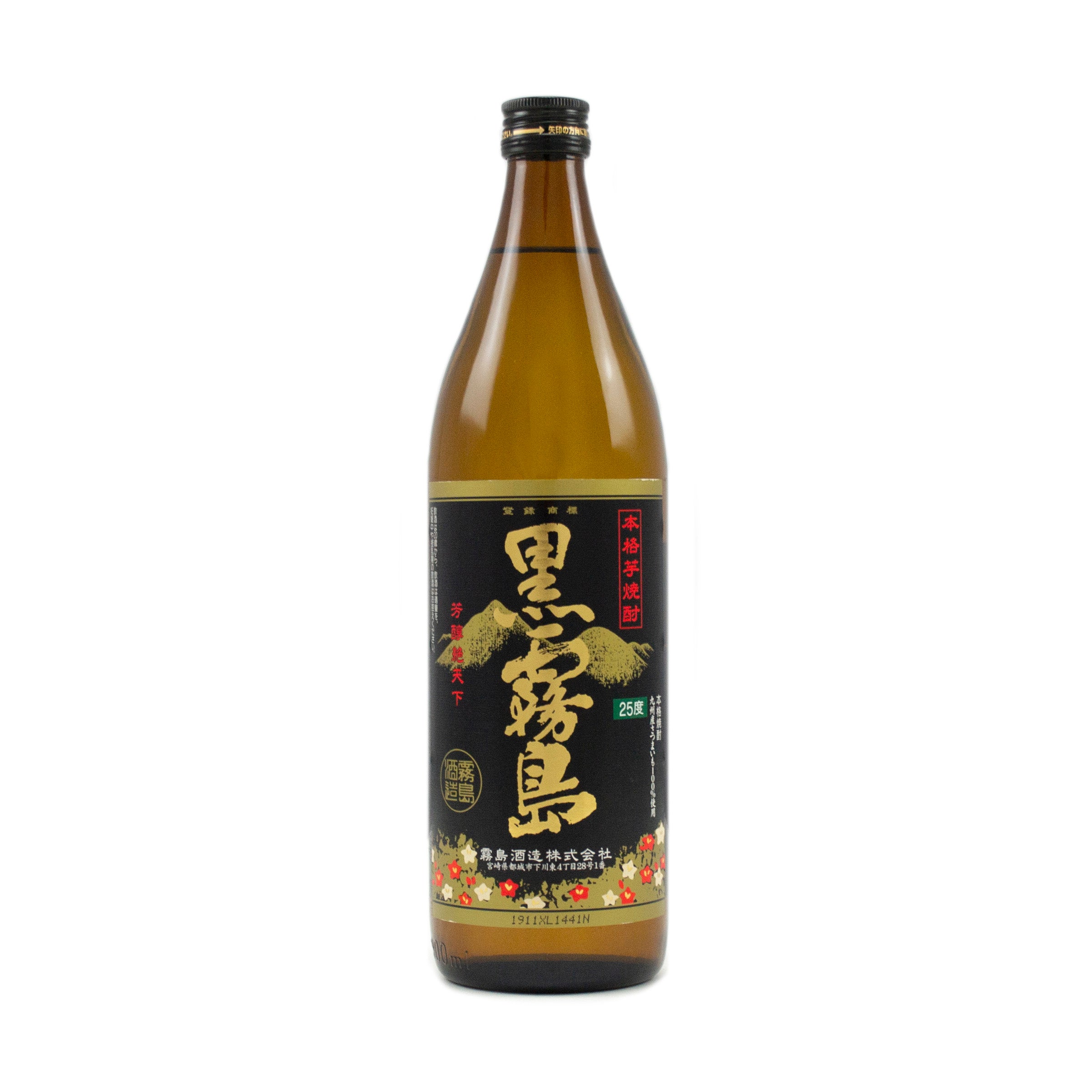
Kuro Kirishima Sweet Potato Shochu 900ml 25%
A 25% ABV sweet potato shochu with the sweet aroma and full flavour of imo shochu.
View ProductMugi Shochu: Barley
Mugi shochu, or barley shochu, is made from barley and has a light, clean taste. It has a toasty barley aroma but little in the way of strong flavours, which makes it easy to recommend to people trying shochu for the first time.
It is produced mainly in Oita and on Iki, an island in Nagasaki known as the birthplace of barley shochu.
With soda it becomes light and lively, and with cold water its toasty barley aroma opens up gently, so it suits almost any way of drinking.
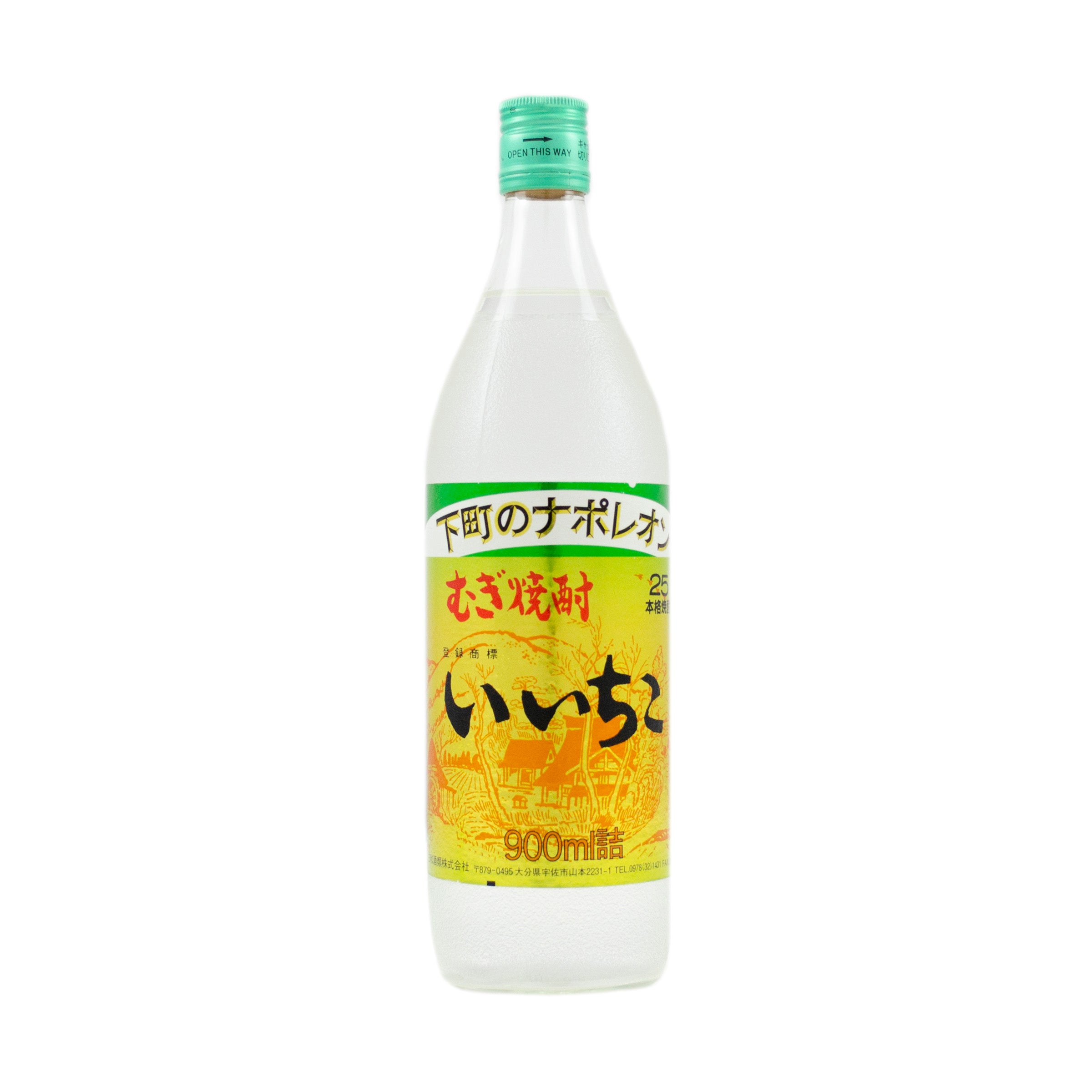
iichiko Barley Shochu (Distilled Spirit with Gluten) 900ml 25%
A 25% ABV barley shochu with a light, clean taste and a toasty barley aroma.
View ProductKome and Other Styles
Kome shochu, or rice shochu, has a soft, elegant flavour. The Hitoyoshi-Kuma region of Kumamoto is home to Kuma Shochu, a GI-protected rice shochu. Kome shochu's aroma is close to that of sake, so it is easy to get on with if you already enjoy sake.
Soba (buckwheat) shochu is a relatively new style, first made in Miyazaki in the 1970s, with a subtle sweetness and a clean finish.
Kokuto (brown sugar) shochu is made only in the Amami Islands of Kagoshima. It has a sweet aroma from the brown sugar, yet finishes dry.

Takara Towari Soba (Buckwheat) Shochu 720ml 25%
A 25% ABV buckwheat shochu with a subtle sweetness and a clean finish.
View Product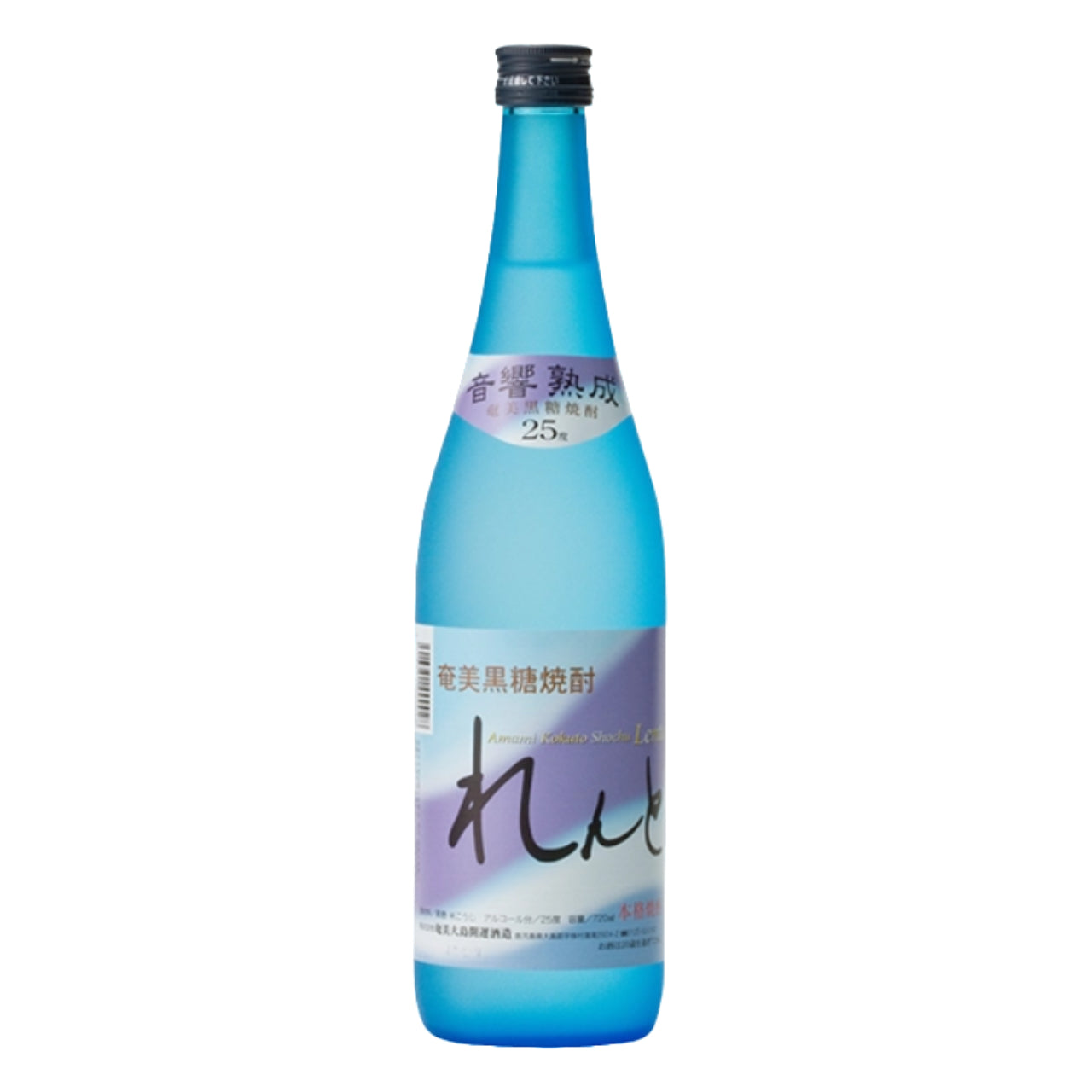
Lento Kokuto (Brown Sugar) Shochu 720ml 25%
A 25% ABV brown sugar shochu with a sweet aroma and a dry finish.
View ProductHonkaku Shochu and Korui Shochu
Under Japanese law, shochu is broadly divided into single-distilled and continuously distilled shochu. Honkaku shochu is a defined type of single-distilled shochu made from specified ingredients.
Distilled in a pot still, it keeps the aroma and flavour of its ingredients, so you can enjoy the character of each one, whether sweet potato, barley or rice. Its maximum strength is 45%.
It was in 1971 that shochu made by traditional single distillation could first be labelled "honkaku shochu" (authentic shochu).
Korui shochu is made by distilling repeatedly in a continuous still. It is highly pure, with a clean, neutral taste, and its strength must be below 36%.
Because it has little flavour of its own, korui shochu is well suited to mixing and is widely used as the base for chuhai and umeshu, both covered later in this guide.

Takara Shochu Jun Kōrui Shochu (Distilled Spirit with Gluten) 720ml 20%
A 20% ABV korui shochu with a clean, neutral taste, well suited to mixing.
View Product■ Shochu vs Soju: What's the Difference?

Shochu and soju have similar names, but they are different drinks. Both are distilled, but shochu comes from Japan and soju from Korea, and they are made in different ways.
The biggest difference is in how they are made. Honkaku shochu is made by single distillation. Most soju sold today, by contrast, is the diluted style, made by adding water to a high-purity spirit produced by continuous distillation and adjusting the flavour with sweeteners.
The ingredients and the way the starch is converted also differ. Honkaku shochu is usually made from a single main ingredient such as barley, sweet potato or rice, whereas diluted soju is generally made from a combination of rice, barley, sweet potato, tapioca and other ingredients. To convert starch into sugar, shochu uses koji, while traditional soju uses nuruk, a Korean fermentation starter.
| Drink | Origin | Category and method | Main ingredients | Typical strength | Usually served |
|---|---|---|---|---|---|
| Shochu | Japan | Distilled (honkaku: single distillation; korui: continuous distillation) | Barley, sweet potato, rice, buckwheat, brown sugar | 20-25% | On the rocks, with cold or hot water |
| Soju | Korea | Distilled (mostly diluted style) | Rice, barley, sweet potato, tapioca | 16-25% | Neat, as shots or mixed |
| Sake | Japan | Brewed (not distilled) | Rice, rice koji | 15-17% | Chilled to warm |
In short, honkaku shochu tends to retain the character of its base ingredient, while mass-market diluted soju is generally cleaner and lighter in flavour.
Shochu vs Sake
Shochu and sake are both Japanese, but they differ at the most fundamental level: shochu is distilled and sake is brewed.
That difference shows up in strength and storage too. Most sake is 15% to 17% ABV and most shochu 20% to 25%. Once opened, sake should be kept in the fridge, and its flavour begins to change within about a week. Shochu, by contrast, is slow to deteriorate and can be kept at room temperature.
They are enjoyed differently as well. With sake, the flavour changes with the temperature, whether chilled or warmed; with shochu, it changes with what you mix it with, whether water, hot water or soda.
Is Shochu Like Vodka?
Shochu and vodka are both clear distilled spirits, but honkaku shochu tastes very different.
Vodka is distilled and filtered repeatedly to make it as neutral in taste and smell as possible. Honkaku shochu, on the other hand, is made by single distillation, so the aroma and flavour of ingredients such as sweet potato and barley remain. They also differ in strength: vodka is around 40% ABV, while most shochu is 20% to 25%.
■ What Does Shochu Taste Like?

The flavour of honkaku shochu varies greatly with the base ingredient, while korui shochu is much more neutral in aroma and flavour. Although shochu is a spirit, the alcohol is not harsh, and it is easy to drink with food.
Imo shochu has a sweet aroma like steamed sweet potato, mugi shochu a toasty note like roasted barley, and kome shochu a soft flavour reminiscent of sake.
In honkaku shochu, the impression of sweetness comes largely from aromas derived from the ingredients rather than from sugar.
The same shochu can also taste very different depending on how you drink it. Drunk neat, it is at its most aromatic; with cold water it becomes gentler, and with hot water its sweetness comes to the fore. Finding the way you like it best is part of the pleasure of shochu.
■ How to Drink Shochu

Shochu is a drink whose flavour changes with what you mix it with. Water, hot water and soda are the basic mixers, and in Japanese izakaya, shochu mixed with green tea or oolong tea is also a standard.
In Japan, shochu is more often mixed with water or hot water and drunk with a meal than taken neat. Start with the basics of mixing, then find the way you like it best.
Five Classic Ways to Drink Shochu
The table below shows the typical ratio for each style, the shochu it suits best and when to drink it.
| Style | Typical ratio | Best with | When to drink |
|---|---|---|---|
| Straight | No mixer | Honkaku shochu (for its aroma) | Slowly, in small amounts |
| On the rocks | No mixer | Imo, mugi | Before or during a meal |
| Mizuwari (with cold water) | 6 shochu : 4 water | Imo, kome | With a meal |
| Oyuwari (with hot water) | 6 shochu : 4 hot water | Imo, kome | On cold days, with slow-cooked dishes |
| With soda | 3 shochu : 7 soda | Mugi, kokuto | With fried food, as an aperitif |
Source: Japan Sake and Shochu Makers Association, "How to Serve Shochu"
Note: The mixing ratios are a general guide.
The recommended styles and occasions are also only a guide. The best way to drink a shochu depends on the bottle and your own taste.
Straight and On the Rocks
Drinking shochu straight means sipping it slowly, at room temperature and in small amounts, and it shows the aroma of the ingredient most clearly. On the rocks, the ice tones the aroma down but gives a smoother mouthfeel.
Mizuwari: Shochu with Cold Water
Mizuwari, shochu mixed with cold water, is one of the most popular ways to drink it in Japan. It rarely overpowers food, and in Kyushu some people mix shochu and water a few hours in advance so that it tastes smoother.
Oyuwari: Shochu with Hot Water
For oyuwari, pour the hot water into the glass first, then add the shochu. The temperature difference creates a current that mixes the two without stirring, and the aroma rises gently. It is ideal on a cold day or with slow-cooked dishes.
Shochu with Soda
Mixed with soda, shochu becomes light and refreshing. A squeeze of lemon makes it an even better match for fried food.
Chuhai and Canned Shochu Highballs

Chuhai is short for "shochu highball". It was originally korui shochu mixed with soda and flavoured with fruit juice, making it the classic shochu cocktail. Today, chuhai is also made with other spirits such as vodka, and it is popular both in izakaya and at home.
Lemon is the classic flavour, and other fruit flavours such as yuzu, grapefruit and peach are also popular. Canned chuhai can simply be chilled and drunk straight from the can, which makes it easy to enjoy.
Yutaka Shop Online stocks Takara Shochu Highball Lemon and the yuzu-flavoured Takara Nippon Chu-Hi Kochi Yuzu, among others.
■ Umeshu: Japan's Plum Wine, Made with Shochu

Shochu is also widely used as a base for fruit liqueurs, and the best known of these is umeshu.
Umeshu is a liqueur made by steeping unripe green ume plums with sugar in alcohol, most often shochu. Commercial umeshu is usually around 10% to 15% ABV, with a sweet, tart and fruity flavour. In Japan, many households still make their own umeshu with the green ume that appear in early summer.
In English, umeshu is often called plum wine, but it is not a wine: it is classed as a liqueur. Nor is it sake, even when it is made with a sake base.
How the Base Spirit Changes the Taste
The flavour of umeshu depends on the alcohol it is made with. The most common base for homemade umeshu is korui shochu, sold in Japan as white liquor. Because it is neutral, the aroma and acidity of the ume come through cleanly. With honkaku shochu as the base, the aroma of sweet potato or barley adds depth.
Umeshu is also made with other drinks. A sake base gives a mellow result, while a brandy base gives a rich, aromatic one. Umeshu made with sake is sometimes sold in English as plum sake.
Yuzushu (yuzu liqueur) and karinshu (Chinese quince liqueur) are made in the same way as umeshu.
How to Drink Umeshu
Like shochu, umeshu can be enjoyed in different ways. On the rocks, the ice tempers the sweetness and brings out the ume aroma. An umeshu highball is lighter and easier to pair with food. Equal parts umeshu and soda water is a common starting point, while some prefer a lighter mix of one part umeshu to two parts soda, so adjust the strength to your taste. Umeshu also works in cocktails, mixed with tonic water, green tea or black tea.
■ What Food Goes Well With Shochu?

Shochu is well suited to drinking with food. Its clean finish, with no lingering sweetness, rarely overpowers a dish, so it works well alongside a meal.
The basic rule is to pair light dishes with light shochu, and richly flavoured dishes with more aromatic shochu.
Imo shochu suits rich dishes such as braised pork belly (kakuni) and fatty meat, and it also goes well with smoked ham and mature cheese. Mugi shochu goes well with grilled meat, lighter dishes and fried food such as karaage (Japanese fried chicken) and tempura; with soda, it cuts cleanly through the oil. Kome shochu goes well with Japanese food in general, including sashimi, sushi and grilled fish, and its gentle flavour brings out the delicate taste of seafood.
Shochu also works with British favourites: roast pork with imo shochu and hot water, fish and chips with mugi shochu and soda, and Cheddar or other cheeses with imo or kokuto shochu on the rocks.
■ Where to Buy Shochu in the UK

In the UK, you can buy shochu from three main places: Japanese grocers, specialist drinks shops and online shops. Japanese grocers that stock shochu can be found in London and other cities, and at drinks shops that specialise in sake and shochu, you can ask the staff for advice. If there is no shop near you, an online shop can deliver to your door.
If you want to compare types, shopping online is the easiest option. You can browse by base ingredient and compare sweet potato, barley and rice shochu before choosing a bottle.
Yutaka Shop Online stocks imo, mugi and other shochu, as well as soju, and delivers across the UK.
How to Read a Shochu Label
When reading a shochu label, check three things: the base ingredient, the distillation method and the alcohol content. Imported bottles often carry an English back label, which usually lists the ingredients and strength.
| What to check | Where to look | What it tells you |
|---|---|---|
| Base ingredient | Ingredients on the English back label, e.g. sweet potato, rice koji | A rough idea of the flavour |
| Distillation method | 本格焼酎 (honkaku shochu) on the front label | Keeps the aroma of its ingredients |
| Distillation method | 焼酎甲類 (korui shochu) on the front label | Clean and neutral in taste |
| Alcohol content | ABV on the English back label | Usually 20% to 25% |
Which Shochu Should You Try First?
If you are looking for the best shochu to start with, try mugi shochu. It has little in the way of strong flavours and works well with soda, cold water or ice.
If you want to experience the full aroma of shochu, imo shochu is also a good choice.
As a rule of thumb, choose barley for easy drinking and sweet potato for aroma.
How to Store Shochu
Shochu can be stored at room temperature. As a distilled spirit, it deteriorates slowly and has no best-before date.
Keep it upright in a cool, dark place, away from direct sunlight, artificial light and high temperatures. It will not spoil quickly once opened, but the flavour gradually changes, so finish it within about a year to enjoy it at its best.
Because it keeps well, shochu is ideal for building a small collection to compare, or for giving as a gift.
■ Shochu FAQs
Is shochu the same as soju?
No, they are different drinks. Shochu is a Japanese spirit and soju a Korean one. Honkaku shochu is single-distilled and keeps the aroma of its ingredients, whereas most soju today is the diluted style, made by adding water to a high-purity spirit. They also differ in ingredients, strength (shochu most commonly 20% to 25%, soju 16% to 25%) and the microorganisms used to convert starch (koji for shochu, nuruk for traditional soju). See "Shochu vs Soju: What's the Difference?" for details.
Is shochu the same as sake?
No. Sake is a brewed drink made by fermenting rice, while shochu is a spirit made by distilling a fermented mash. Most sake is 15% to 17% ABV and most shochu 20% to 25%. See "Shochu vs Sake" for more.
What type of alcohol is shochu?
Shochu is a Japanese distilled spirit. Under Japanese law, it is divided into single-distilled and continuously distilled shochu. Honkaku shochu is a type of single-distilled shochu that meets specific requirements and retains more of the character of its ingredients, while korui shochu is continuously distilled for a cleaner, more neutral taste. Korui shochu is commonly used as a base for chuhai and umeshu.
Does shochu taste like vodka?
Not usually. Both are clear spirits, but vodka aims to be as neutral in taste and smell as possible, whereas honkaku shochu keeps the aroma and flavour of ingredients such as sweet potato and barley. Korui shochu is more neutral and closer to vodka. See "Is Shochu Like Vodka?" for more.
Is shochu stronger than soju?
Generally, yes. Most shochu is 20% to 25% ABV, while soju is mostly 16% to 25%. Some shochu is around 20% and some soju 25%, however, so their strengths can overlap.
Is shochu gluten free?
Shochu is generally considered gluten free. Gluten is removed during distillation, and Coeliac UK states that spirits are gluten free, including those made from barley. The same applies to mugi shochu. Some products have flavourings added after distillation, however, so check the label if you are concerned.
Source: Coeliac UK, "Is Alcohol Gluten Free?"
Does shochu go off?
Shochu is a distilled spirit, so an unopened bottle keeps for a long time and has no best-before date. Unlike sake, whose flavour begins to change within about a week of opening, shochu stays in good condition; for the best flavour, finish it within about a year. See "How to Store Shochu" for more.
Source: Japan Sake and Shochu Makers Association, "Frequently Asked Questions" and "How to Store and Preserve Sake"
Is it spelled shochu or sochu?
The correct spelling is shochu, a romanisation of the Japanese しょうちゅう. Sochu is a common misspelling in English, and it refers to the same drink.
■ Summary: Enjoy Shochu in the UK
Shochu is a Japanese spirit made by fermenting ingredients such as sweet potato, barley and rice with koji and yeast, then distilling them. Sake is a brewed drink and soju a Korean spirit, and both differ from shochu in how they are made and how they taste.
When choosing, look at the base ingredient: barley for easy drinking, sweet potato for aroma and rice for softness. Shochu can be mixed with cold water, hot water or soda, and simply changing the mixer brings out a range of flavours from the same bottle.
In the UK, online shops make it easy to compare shochu by ingredient. Start with a bottle that catches your eye.
-
Japan Sake and Shochu Makers Association – "Frequently Asked Questions"
Shochu strength, and storage and shelf life.
View source -
Japan Sake and Shochu Makers Association – "The History of Shochu"
The history of shochu, including the 1559 graffiti record.
View source -
Japan Sake and Shochu Makers Association – "What is Shochu Made of?"
Base ingredients and their typical flavours.
View source -
Japan Sake and Shochu Makers Association – "How to Serve Shochu"
Ways of drinking shochu and typical mixing ratios.
View source -
Japan Sake and Shochu Makers Association – "How to Store and Preserve Sake"
How the flavour of sake changes after opening.
View source -
National Tax Agency – "Geographical Indication 'Satsuma': Production Standards"
Requirements for Satsuma Shochu (in Japanese).
View source -
Coeliac UK – "Is Alcohol Gluten Free?"
Guidance on gluten in spirits, including those made from barley.
View source